US Senate Advances Resolution to End Unauthorized Military Actions Against Iran
Senate moves to require presidential approval from Congress before continuing military operations against Iran, signaling a potential shift in US foreign policy oversight.
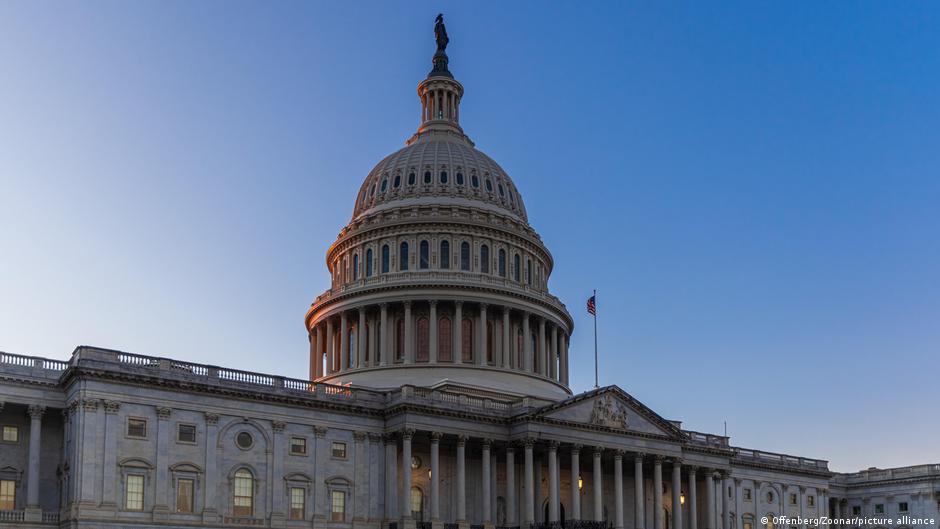
On May 19, the US Senate voted to advance a resolution that would compel President Donald Trump to either cease all military operations against Iran or obtain formal Congressional authorization for any future use of force. This move represents a significant attempt by lawmakers to reassert Congressional control over decisions about war and peace with Iran, following multiple previous efforts blocked by Republican opposition.
The procedural vote saw 50 senators in favor and 47 opposed. However, three Republican senators were absent due to their election campaigns, making it unlikely the resolution will pass the full Senate. Earlier this year, Republicans successfully blocked seven prior attempts to bring this resolution to a vote in the Senate. The document was initially introduced in March after the commencement of US and Israeli military actions against Iran and has also faced obstruction in the House of Representatives.
Implications for US Foreign Policy and Congressional Authority
Senator Tim Kaine, a leading Democrat and initiator of the procedural vote, emphasized the contemporary relevance given the temporary ceasefire between the US and Iran since early April. "This is the perfect time to have this discussion before we go back to war again," Kaine remarked, highlighting concerns over the President disregarding diplomatic overtures without consulting Congress.
"President receives peace and diplomatic offers that he tosses in the trash without sharing them with us," said Senator Kaine.
The resolution seeks to enforce provisions in the 1973 War Powers Act, which limits the President's ability to engage in military action without Congressional approval to 60 days. After this period, the President must either end hostilities or secure Congressional authorization. Although President Trump informed Congress on May 1, 2026, that the war with Iran had ended, military actions like port blockades and strikes on Iranian vessels reportedly continue, raising questions about compliance with the law.
The Senate's push for greater legislative oversight of military engagements with Iran may signal an evolving balance of power between the executive and legislative branches, with significant ramifications for US foreign policy and international stability. Should the resolution succeed, it could curb unilateral presidential military actions and encourage more deliberate diplomatic engagement with Iran.
For global markets and policymakers, this development is critical. Heightened Congressional scrutiny could reduce the risk of sudden escalations in the Persian Gulf region, thereby potentially stabilizing energy prices and global trade routes. Conversely, continued political deadlock may perpetuate uncertainty in US-Iran relations, impacting long-term economic forecasts and geopolitical risk assessments.
As the resolution proceeds, senior decision-makers worldwide should monitor the evolving US legislative stance on Iran closely. The outcome will influence the trajectory of US military involvement abroad and shape the broader international security environment.