NATO Confirms Continued Delivery of U.S. Air Defense Missiles to Ukraine Amid Ongoing Conflict
NATO assures uninterrupted supply of critical U.S.-made air defense weapons to Ukraine under PURL program, emphasizing alliance's commitment to European security.
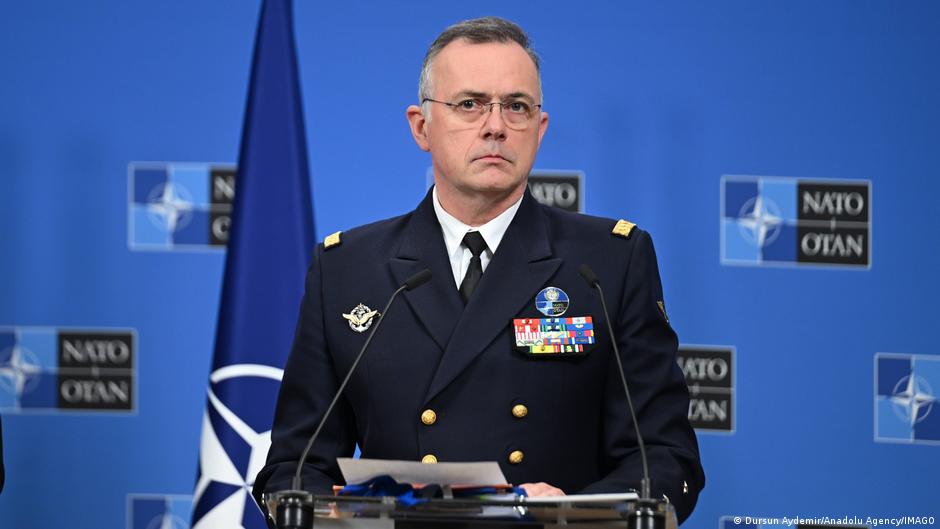
NATO has reaffirmed its ongoing support to Ukraine through the Priority Ukraine Requirements List (PURL) program, ensuring continuous delivery of critical U.S.-made air defense missiles amid the prolonged conflict with Russia. General Christopher G. Cavoli, the Supreme Allied Commander Europe of NATO forces, emphasized that all funded weaponry, including interceptors for Ukraine’s air defense systems, is being consistently supplied.
Strategic Implications of Sustained Military Aid to Ukraine
Speaking at a press conference following the NATO Military Committee meeting in Brussels on May 19, General Cavoli highlighted the resilience and adaptability of Ukrainian forces, which continue to innovate and share frontline experience, particularly in countering Russian and Iranian drones and missile threats. He underscored the importance of predictable, steady support through the PURL program to maintain Ukraine’s defense capabilities.
"All items funded by allies, including interceptor missiles urgently needed by Ukrainians, are being delivered," said General Cavoli, affirming NATO’s commitment to the program.
The PURL initiative, spearheaded by the United States and NATO, pools funds from participating countries to procure American-made weaponry prioritized by Ukraine. This mechanism allows rapid acquisition and deployment of critical arms that lack European counterparts, thereby enhancing operational effectiveness on the frontlines.
General Cavoli further noted that Western investments in Ukraine’s defense not only protect Ukrainian civilians and infrastructure but also strengthen security across the European continent, demonstrating NATO’s broader strategic interests in preserving regional stability.
Reconfiguring NATO Military Presence and Regional Defense Posture
Addressing questions about U.S. plans to reduce its troop presence in Europe by 5,000 personnel, Cavoli reassured that this drawdown would not compromise NATO’s regional defense objectives. He explained that since the escalation of Russia’s invasion, countries such as the Baltic states and Poland have bolstered their land combat capabilities. Furthermore, multinational brigades under Canadian leadership in Latvia and expanding German-led forces in Lithuania are enhancing collective defense.
"As allies increase their capabilities, the United States can reallocate resources to address other global priorities," Cavoli stated, signaling a strategic recalibration of NATO’s force posture without diminishing commitment to European defense.
Incidents and Information Warfare in the Baltic Region
General Cavoli commented on a recent incident involving a presumed Ukrainian drone that mistakenly entered Estonian airspace, where it was intercepted by a Romanian fighter jet conducting NATO Baltic Air Policing operations. He highlighted that the decentralized delegation of authority to the lowest tactical levels was crucial for protecting every inch of NATO territory.
In response to Russian intelligence claims accusing Latvia of facilitating Ukrainian drone strikes against Russia and threatening retaliatory actions despite NATO membership, Cavoli dismissed such narratives as unfounded. He emphasized that NATO’s air defenses actively prevent any unauthorized drone incursions, negating claims that drone flights to Russia would be permitted through Baltic airspace.
"If we wanted drones to pass through Baltic airspace to reach Russia, we wouldn't be shooting them down," Cavoli concluded, underscoring the alliance's vigilance and commitment to collective defense.
The sustained supply of advanced air defense systems and NATO’s adaptive regional posture highlight the evolving security landscape in Eastern Europe. As the conflict continues into its fifth year, NATO’s strategic decisions and military support mechanisms underscore the broader implications for transatlantic security architecture and global geopolitical stability.