Russian Strikes on Ukrainian Infrastructure Signal Escalation with Global Economic Risks
Recent Russian missile and drone attacks target critical Ukrainian port and energy infrastructure, raising concerns over regional stability and energy security.
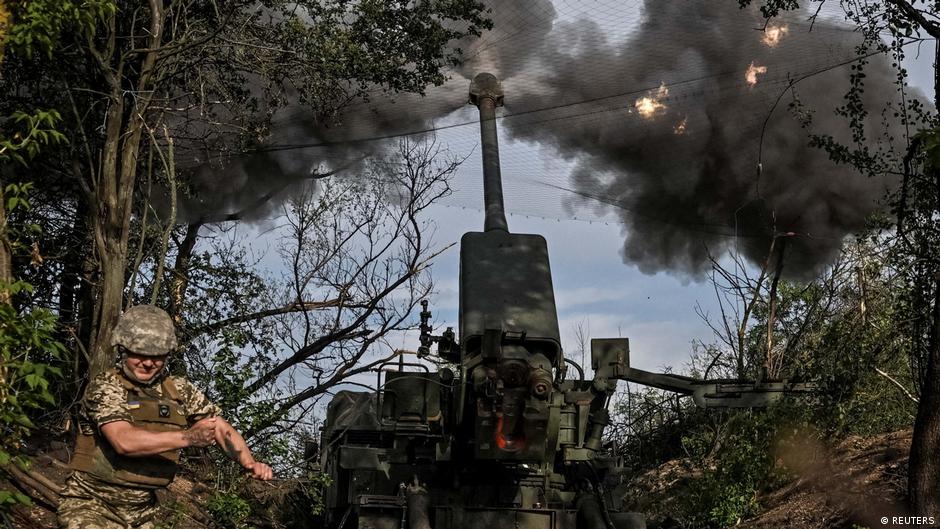
On the night of May 19, Russian armed forces launched a series of missile and drone strikes targeting key Ukrainian infrastructure, including port facilities in Izmail, energy assets in the Dnipropetrovsk region, and urban areas in Kharkiv. These attacks underscore the growing volatility in Eastern Europe and carry significant implications for global economic stability and energy markets.
Damage to Strategic Infrastructure and Implications
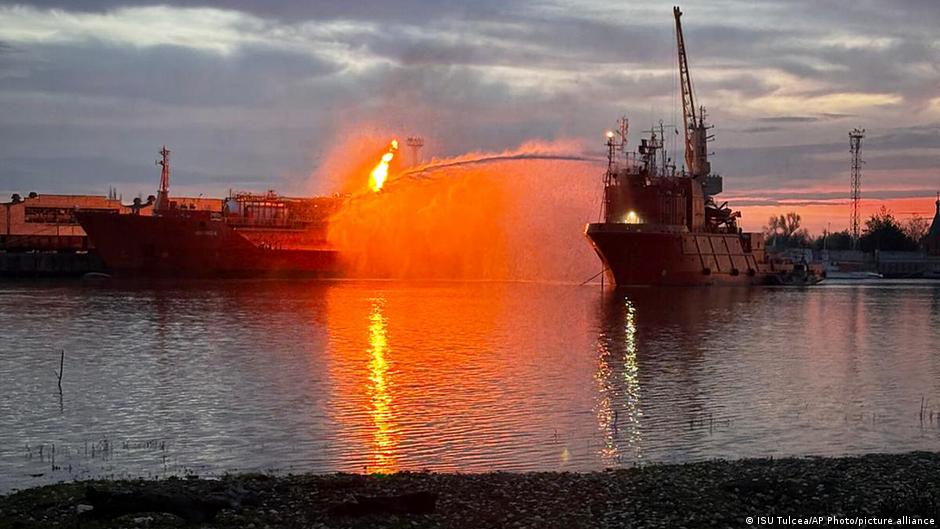
The Izmail district, located in southern Ukraine's Odesa region, suffered damage to its port infrastructure following an air assault. Local emergency services swiftly mitigated the aftermath, preventing casualties or major destruction. Most aerial threats were neutralized over open terrain outside populated areas, highlighting both defensive preparedness and the persistent threat to critical transport hubs.
"Almost all aerial weapons were destroyed over open territory beyond the populated areas of the Izmail district," the regional administration reported.
Meanwhile, the Ukrainian state energy company Naftogaz reported repeated drone attacks over May 17-18 on its oil and gas infrastructure in Dnipropetrovsk, culminating in an evening strike with three ballistic missiles. While personnel remained unharmed, physical damages have been confirmed, marking a concerning escalation of assaults on energy assets that are vital to Ukraine’s economy and Europe’s energy supply chains.
Earlier in the week, similar attacks targeted Naftogaz facilities in the Poltava region, indicating a sustained campaign against Ukraine’s energy sector. The disruption risks reducing production and export capacity, potentially contributing to supply-chain shocks and price volatility in global energy markets already strained by geopolitical tensions.
In the northeastern city of Kharkiv, mayor Igor Terekhov reported drone strikes on the Novobavarsky and Kholodnogorsky districts, damaging civilian infrastructure and igniting fires. Rescue operations are ongoing to locate individuals potentially trapped under debris. The targeting of urban areas represents a broader expansion of conflict zones and raises humanitarian as well as economic concerns.
Broader Conflict Dynamics and Economic Ramifications
The attacks reflect a marked intensification of hostilities with multifaceted economic consequences. The targeting of transportation and energy infrastructure disrupts critical supply chains, hampers regional trade routes, and threatens energy security not only for Ukraine but for European consumers dependent on stable gas and oil flows.
Moreover, these developments align with recent reports indicating that Ukraine has expanded drone strike capabilities into Russian territory, including major cities in the Ural region. According to Bloomberg, Ukraine’s drones can now reach approximately 25% of Russian territory, home to over 70% of the Russian population. This escalation broadens the conflict footprint and complicates regional security calculations.
For global decision-makers, these events underscore the need to reassess risk exposures in energy markets, supply chain resiliency, and geopolitical strategy. Sustained attacks on infrastructure could delay Ukraine’s economic recovery post-conflict and impede European efforts to diversify energy sources away from Russian supplies. The situation also highlights the growing role of asymmetric warfare technologies, such as drones and ballistic missiles, in shaping modern conflicts and their economic fallout.
In sum, the recent Russian assaults on Ukrainian infrastructure represent more than isolated military actions; they signal a deepening conflict with profound implications for regional stability and the global economic order.