Ukraine and Key European Allies Discuss Renewed Diplomatic Efforts to End War
Ukraine’s president and European leaders explore strategies to revitalize peace diplomacy amid evolving conflict dynamics and shifting global priorities.
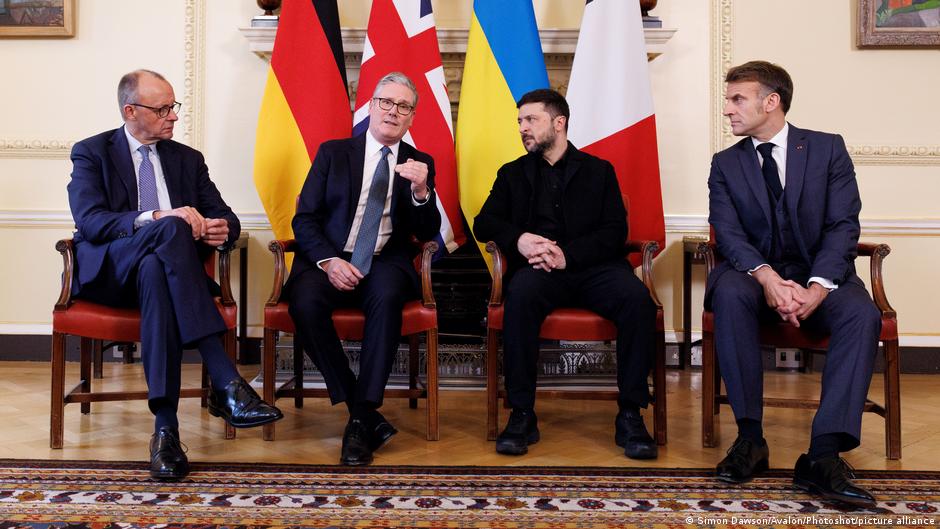
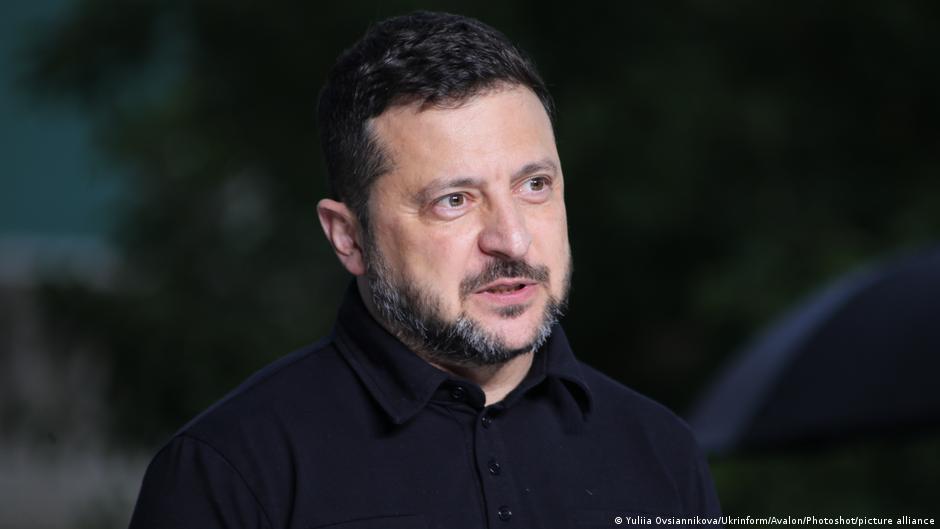
Ukraine’s President Volodymyr Zelensky held a high-level video conference with Germany’s Chancellor Friedrich Merz, France’s President Emmanuel Macron, and the United Kingdom’s Prime Minister Keir Starmer on May 22. The meeting focused on revitalizing diplomatic efforts to end Russia’s aggressive war in Ukraine and ensuring European involvement in the peace process.
Diplomatic Engagement Amidst Shifting Geopolitics
This gathering marked the first top-tier meeting in this format for some time, highlighting a new phase in European engagement as the United States shifts its attention elsewhere. Since late February, Washington’s focus has been largely redirected due to the conflict with Iran, leaving European partners to assume a more direct diplomatic role.
President Zelensky emphasized in his public statements the importance of activating diplomacy aimed at achieving peace. However, detailed disclosures on the discussions remained limited, with Zelensky noting only that the partners agreed on the necessity of a stronger European role and that national security advisors from the four countries would meet soon to coordinate further.
“All partners acknowledge Ukraine’s significantly stronger position—both militarily and strategically—which can help drive effective diplomacy,” Zelensky stated following the meeting.
Officials confirmed that the European allies intend to intensify support for Ukraine’s defense efforts in the coming months. The consensus underscored the critical need to counter Russian aggression to safeguard security in Europe and globally.
The dialogue also included sharing intelligence concerning Russia’s plans not only toward Ukraine but also Belarus and other parts of Europe, indicating an awareness of broader regional security threats.
Challenges to Existing Negotiation Formats
On the same day, Ukrainian Foreign Minister Andrii Sybiha remarked that the traditional trilateral format involving Ukraine, Russia, and the United States is reaching its limits. He suggested that the existing framework has exhausted its utility, given the repetitive nature of discussions and lack of tangible progress.
Sybiha proposed expanding negotiations to include European Union representatives or convening a summit involving high-level leaders such as Vladimir Putin, Volodymyr Zelensky, and Donald Trump. Kyiv perceives such new dynamics as vital for providing the peace process with fresh momentum.
US Secretary of State Marco Rubio echoed similar concerns, acknowledging the lack of breakthroughs in ceasefire talks and advocating for a more constructive and results-oriented approach. He indicated that Washington remains willing to participate in trilateral talks but is wary of futile cycles that fail to advance the peace agenda.
The last trilateral meeting took place in February 2026 in Geneva, shortly before the US and Israel initiated military actions against Iran, which subsequently diverted American diplomatic focus.
Macro-Economic Implications and Long-Term Outlook
The renewed European engagement in Ukraine’s peace process signals a strategic recalibration with potentially profound economic consequences. By intensifying diplomatic activity and defense support, European powers aim to stabilize the region, which is critical for broader economic security and supply chain resilience across the continent.
Persistent conflict and geopolitical uncertainty continue to disrupt energy markets, commodity flows, and investment climates. Effective diplomacy and eventual conflict resolution are essential to restoring investor confidence and enabling long-term economic recovery for Ukraine and its European neighbors.
Moreover, the evolving alliance dynamics suggest a redistribution of geopolitical influence that may reshape trade relationships, defense spending priorities, and economic policy coordination within Europe and beyond.
In Zelensky’s words, the current military and strategic advantages offer a window of opportunity to push for a meaningful diplomatic breakthrough. However, delivering a sustainable peace agreement will require coordinated international effort, innovative negotiation formats, and persistence despite complex challenges.
In conclusion, as global power centers adjust to emerging security threats and shifting alliances, the European role in Ukraine’s peace process may become a pivotal factor in shaping not only regional stability but also the trajectory of economic policy and growth in the years ahead.