European Leaders Endorse US-Iran Deal as a Step Toward Regional Stability and Economic Recovery
France, Germany, Britain, and Italy highlight the agreement’s potential to stabilize global markets while insisting on preventing Iran’s nuclear armament.
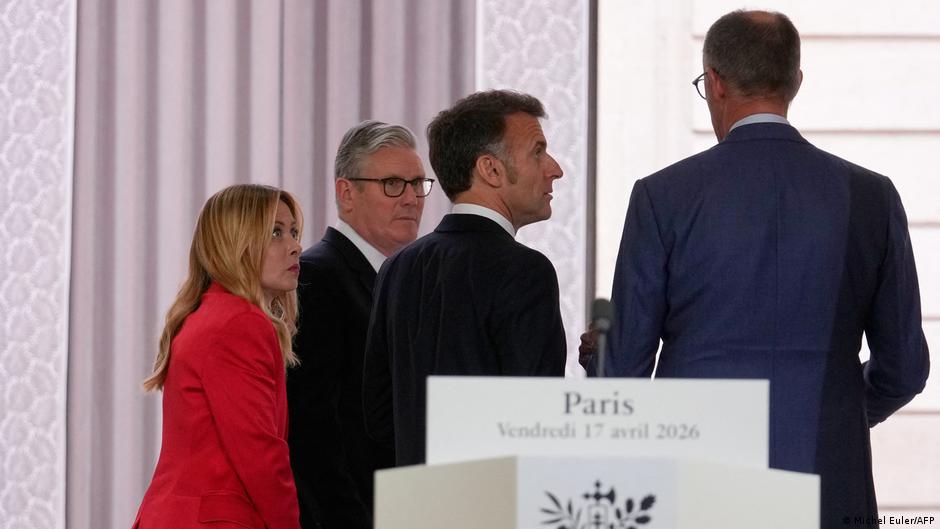
Leaders of France, Germany, the United Kingdom, and Italy have welcomed the US-Iran agreement scheduled for signing on June 19, viewing it as a pivotal step toward ending ongoing conflicts and restoring stability both regionally and globally. In a joint statement released on June 15, the heads of state and government underscored the deal’s potential to revitalize regional peace and contribute to the stabilization of the global economy.
Diplomatic Breakthrough with Economic and Security Implications
The four European leaders congratulated all parties involved for achieving a significant diplomatic breakthrough, emphasizing the urgency of swift and comprehensive implementation of the agreement’s provisions. A critical component highlighted in their statement is the immediate restoration of safe navigation through the Strait of Hormuz, a vital maritime artery for global fuel markets.
"We are prepared to support these efforts, including participation in demining activities to ensure unimpeded shipping," the joint declaration stated, reflecting the strategic importance of the strait in global energy supply chains.
"Iran must never under any circumstances obtain nuclear weapons. We stand ready to work with the US, Iran, and the IAEA to achieve this goal." - European Leaders
British Prime Minister Keir Starmer and French President Emmanuel Macron separately issued statements reiterating key points from the joint communiqué. Starmer emphasized that freedom of navigation in the Strait of Hormuz must be restored without any tolls or restrictions, highlighting the linkage between this freedom and mitigating the broader economic fallout from the US-Israel conflict with Iran.
Macron expressed particular concerns regarding Iran’s nuclear and ballistic missile programs, while Starmer took a notably categorical stance: "Iran must never possess nuclear weapons." This sentiment was firmly embedded within the joint statement, setting a clear red line for the international community’s engagement strategy.
Policy Shifts and Long-Term Economic Consequences
The European leaders’ readiness to lift certain sanctions contingent upon verifiable and transparent steps by Iran to curb its nuclear ambitions signals a significant policy shift. This conditional approach aims to balance incentivizing Iran’s compliance with non-proliferation objectives while fostering regional economic integration.
From a macroeconomic perspective, the anticipated reopening of safe maritime routes through the Strait of Hormuz is poised to alleviate risks in global energy markets, potentially reducing volatility in oil prices that have stressed economies worldwide. Furthermore, enhanced regional stability could unlock new investment opportunities, facilitate trade, and promote economic recovery in a landscape still reeling from the effects of protracted geopolitical tensions.
However, the success of this diplomatic milestone depends heavily on strict enforcement mechanisms, international cooperation, and the sustained political will of all parties involved. The involvement of the International Atomic Energy Agency (IAEA) remains crucial to verifying Iran’s adherence to nuclear-related commitments.
As the world watches the unfolding developments, the European leaders’ coordinated stance offers a framework for balancing security concerns with the imperative of restoring economic normalcy in a volatile region.