Greece Imposes Significant Schengen Visa Restrictions on Russian Tourists Amid EU Policy Changes
Greece's sharp rise in visa refusals to Russian citizens reflects broader EU security-driven shifts impacting Russian travel and European tourism dynamics.
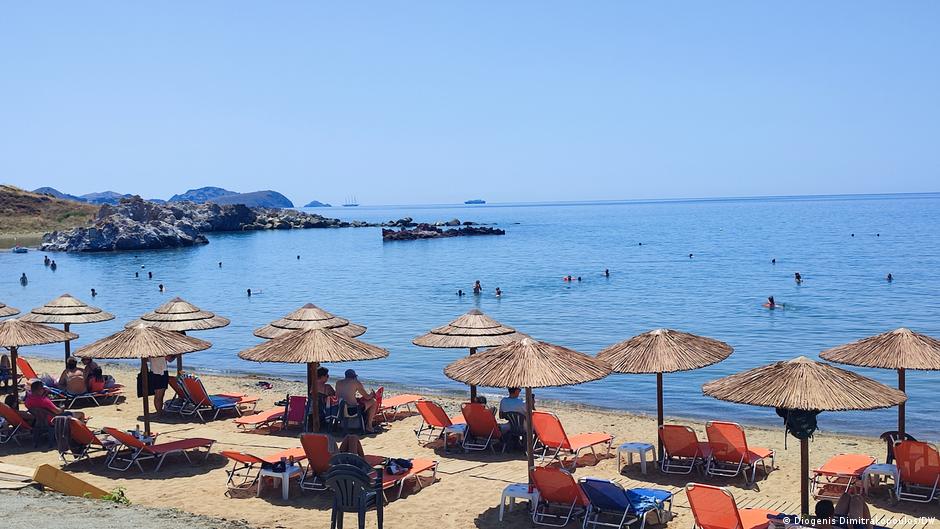
Greece has recently implemented a substantial increase in Schengen visa refusals to Russian nationals, a trend confirmed by the Russian Association of Tour Operators (ATOR) on July 29. At the height of the tourist season, some Russian tour operators experienced visa rejection rates as high as 50%, while independent travelers faced even starker figures with refusal rates reaching up to 70%.
Macro-Economic and Geopolitical Implications of Stricter Visa Policies
This surge in visa denials comes amid tighter European Union regulations aimed at limiting the issuance of multiple-entry visas to Russian citizens. Official data shows that in 2025, Greece issued approximately 59,000 Schengen visas to Russians, with 41.6% being multiple-entry. However, rejection rates for Greek visas stood at about 11.2%, significantly above the Schengen average of 6.4%.
Russian tourists affected by these refusals often have fully paid trips and confirmed accommodations, and some have presented impeccable financial documentation, including proof of real estate ownership. This indicates the denials are less about individual applicant risk and more reflective of broader policy shifts influenced by ongoing geopolitical tensions, particularly the war in Ukraine.
"Direct refusals in such volume have not been observed before," noted representatives from Russian tourism companies, highlighting the unprecedented nature of this shift.
The European Commission's November 2025 decision to prohibit multiple-entry Schengen visas for Russians cited security concerns linked to the ongoing conflict in Ukraine. This regulatory tightening has had immediate consequences: although Russian nationals applied for more Schengen visas in 2025 compared to 2024—a rise of 8.42%—the issuance of multiple-entry visas plummeted from 57% to 12% within two months.
This policy change not only disrupts the travel plans of Russian tourists but also reshapes the tourism economies of EU member states popular with Russian visitors. France, Italy, and Spain account for nearly three-quarters of Russian Schengen visa applications, issuing 68% of all visas granted to Russians. France notably increased its visa issuance by almost 30% in 2025, reaching approximately 173,000 visas, whereas Italy and Spain slightly reduced or maintained their levels.
The discontinuation of multi-year multiple-entry visas compels Russian travelers to apply more frequently, creating administrative burdens and uncertainty. For EU member states reliant on Russian tourism revenues, these shifts pose economic challenges, especially in the context of ongoing geopolitical tensions that influence travel policies.
From a macroeconomic perspective, the visa restrictions reflect a broader intersection of security policy and economic strategy within the EU. While aimed at safeguarding member states against perceived security risks, the measures also influence cross-border mobility, consumer spending patterns, and bilateral economic relations with Russia.
Longer-term consequences may include a realignment of tourism flows, increased administrative costs for visa management, and potential diplomatic repercussions impacting broader economic cooperation. For senior policymakers, balancing security imperatives with economic interests remains a critical challenge amid ongoing geopolitical uncertainty.