Russian Strikes Hit Ukraine Logistics, Housing and Energy Infrastructure
Attacks on Kyiv, Odesa and Mykolaiv regions underscore the economic pressure on logistics networks, urban assets and power supply.
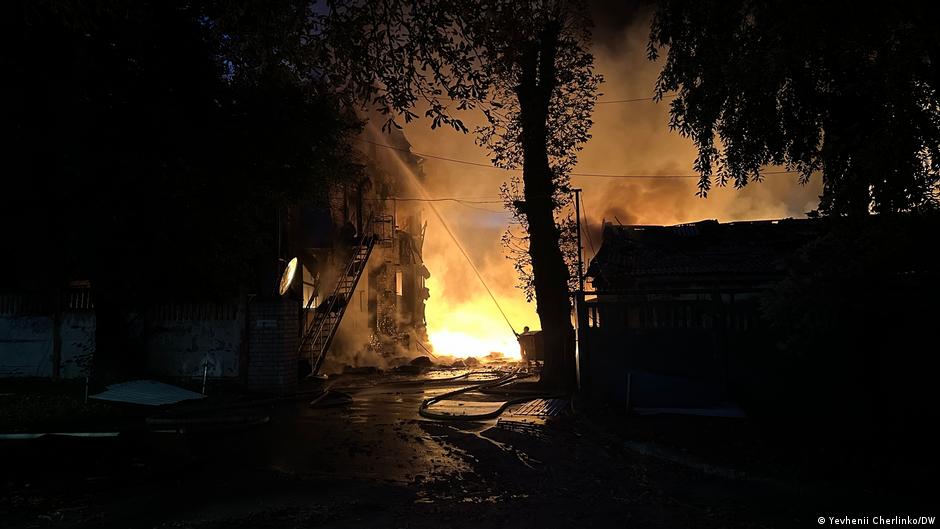
Russian forces attacked the Kyiv and Odesa regions, as well as the city of Mykolaiv, on the evening of September 12 and during the night of September 13, according to local authorities. The strikes affected civilian, logistics and energy-related assets, adding to the operational strain on Ukraine’s regional economies and public infrastructure.
In the Odesa region, two people were injured after an evening drone attack hit a branch of Nova Poshta, the major Ukrainian delivery and logistics operator. Odesa regional military administration head Oleh Kiper said the facade of the building, its glazing and a cargo vehicle were damaged. The State Emergency Service of Ukraine also reported the consequences of the strike.
“The facade of the building, glazing and a cargo vehicle were damaged,” Kiper said.
The impact on a parcel and freight facility is economically significant beyond the immediate physical damage. Nova Poshta is a central component of Ukraine’s domestic distribution network, supporting households, small businesses, e-commerce, regional trade and humanitarian deliveries. Even localized disruption to such infrastructure can raise transaction costs, slow deliveries and force companies to reroute goods at short notice.
Separately, an attack on Odesa damaged a multi-storey residential building, according to Serhiy Lysak, head of the city military administration. It was already the second hit on an apartment building in the city within 24 hours. The repeated damage to residential property points to a wider economic burden: the erosion of household wealth, rising repair and reconstruction needs, and pressure on municipal services already operating under wartime conditions.
Logistics and Warehousing Under Pressure
In the Kyiv region, the regional military administration said that warehouse premises were damaged in the Boryspil district on the evening of September 12, and a fire broke out as a result of the strikes. In the Brovary district, a warehouse and a private house were damaged. No information about fatalities or injuries was reported.
For senior decision-makers, the concentration of damage around warehouses, delivery facilities and transport-adjacent assets is a reminder that military pressure on Ukraine also has an economic channel. Warehouses are not only storage sites; they are nodes in supply chains that connect import flows, domestic production, retail distribution and emergency response. Damage to these assets can create local bottlenecks, insurance complications and higher costs for businesses trying to maintain continuity.
Boryspil and Brovary districts are economically relevant because of their links to the broader Kyiv metropolitan area. Disruption there can have effects beyond the immediate municipalities, especially when companies rely on regional warehouse capacity to serve the capital and surrounding markets. The reported fire in Boryspil adds another layer of cost, because fire damage can make facilities unavailable for longer periods and require safety inspections before operations resume.
Kyiv Mayor Vitali Klitschko reported that air defense systems were operating and urged residents to remain in shelters. The Kyiv regional military administration also reported air alerts in different parts of the region overnight through its Telegram channel. These recurring alerts affect economic life even when casualties are not reported, interrupting work, transport, sleep, education and business activity.
Energy Infrastructure and Policy Consequences
In Mykolaiv, an evening attack on energy infrastructure left several districts of the regional center partially without power, according to Heorhiy Reshetylov, head of the local regional military administration. He said energy workers would begin restoring electricity supply as soon as the security situation allowed work to start.
“As soon as the security situation allows work to begin, energy workers will start restoring electricity supply,” the post said.
Reshetylov later wrote that the alert had ended, and then reported that an air alert had resumed. That sequence illustrates the operating reality for utilities in frontline and exposed regions: repair crews must balance the urgency of restoring supply with the risk of renewed attacks. The result is a slower and less predictable recovery cycle, with households, businesses and public services facing uncertainty over power availability.
Energy infrastructure attacks carry direct macroeconomic implications. Partial blackouts can reduce productivity, disrupt communications, impair refrigeration and logistics, and force firms to rely on backup generation where available. Over time, repeated pressure on the grid can increase fiscal demands on the state, raise the need for imported equipment and deepen the role of international support in sustaining Ukraine’s infrastructure resilience.
The latest reported strikes also highlight the policy dilemma facing Ukrainian authorities and their partners. Air defense protects lives and assets, but the pattern of attacks across housing, warehouses, delivery networks and energy systems shows the breadth of infrastructure that requires protection. Decisions about allocating air defense coverage therefore have economic as well as military consequences, shaping which regions, industries and service networks can operate with greater reliability.
For global economic observers, the events in Kyiv, Odesa and Mykolaiv underline how the war continues to transmit risk through infrastructure systems rather than only through front-line military developments. Ukraine’s logistics capacity, housing stock and electricity networks are essential to domestic stability and to the country’s ability to sustain business activity under wartime constraints.
The attacks reported from the evening of September 12 into the night of September 13 did not include confirmed deaths, according to the information provided by local authorities, but they did include injuries in the Odesa region and damage to private, residential, warehouse, postal and energy assets. The cumulative economic significance lies in that mix: each strike imposes costs on reconstruction, insurance, labor availability, municipal budgets and supply-chain planning.
As Ukraine moves through another period of air alerts and infrastructure damage, the long-term consequence is a higher premium on resilience. Businesses must plan for interruptions, cities must budget for recurring repairs, and policymakers must weigh infrastructure defense as a core part of economic policy. The immediate reports describe local damage; the broader signal is that Ukraine’s economic operating environment remains shaped by persistent attacks on the systems that keep goods, power and urban life moving.