Zaporizhstal Damage Deemed Critical After Third Russian Missile Strike
The shutdown of one of Ukraine’s largest steel plants deepens industrial disruption and raises broader risks for output, jobs and fiscal revenue.
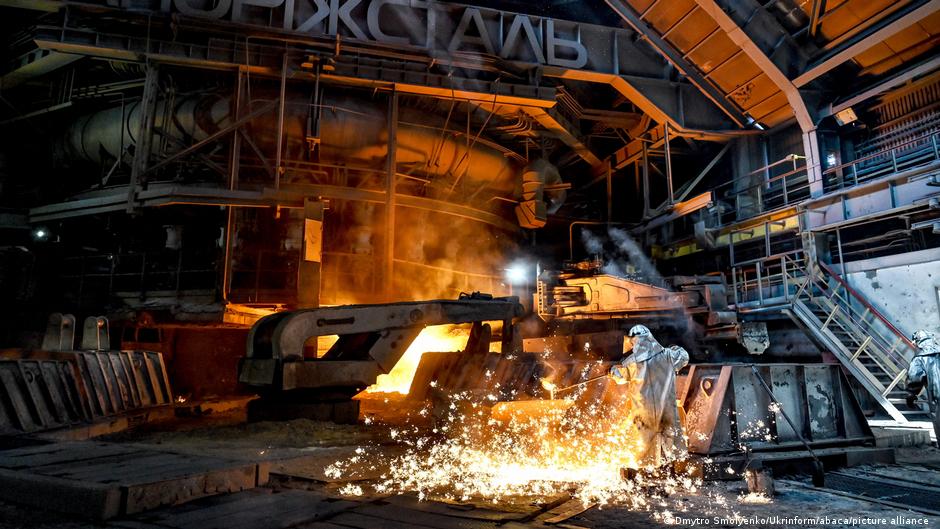
Preliminary assessments indicate that damage to Zaporizhstal, one of Ukraine’s largest steel plants, is critical after a third Russian missile strike on the enterprise in the space of a month. The plant, located in the Ukrainian city of Zaporizhzhia, had already fully halted operations after an earlier attack on August 11.
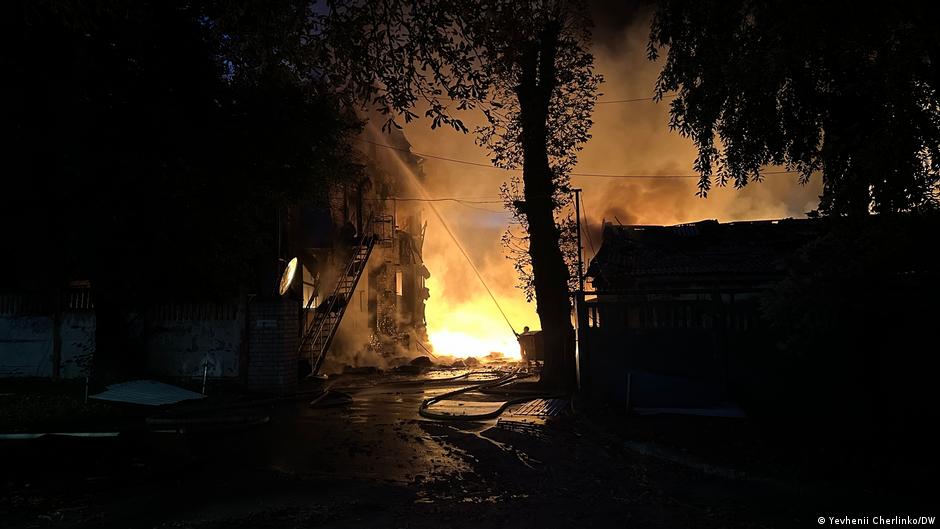
The latest strike took place overnight into Saturday, September 12, when ballistic missiles hit the production site. According to a press release published by the company the same day, four missiles struck the plant during the most recent attack. Although Zaporizhstal had stopped work after the previous strikes on August 11 and August 27, at least four employees were at the facility at the time of the September attack and were injured. Three of them required hospitalization.
The company said equipment in the blast furnace and open-hearth furnace shops was damaged, along with the plant’s power system and logistics infrastructure. The scale of the destruction is still being assessed, but the company’s initial classification points to severe impairment of industrial capacity at an asset that has played an outsized role in Ukraine’s metals output.
“The scale of destruction grows with each strike. It is not yet possible to assess it finally, but preliminarily we classify the damage as critical,” said Oleksandr Myronenko, chief operating officer of Metinvest Group, which includes Zaporizhstal.
Emergency response and damage assessment work is continuing at the plant. Company specialists are studying the affected facilities to clarify the nature and full scale of the destruction.
A Strategic Industrial Asset Under Repeated Attack
The first major missile strike on Zaporizhstal occurred overnight on August 11. Eight plant workers were killed in that attack and another 26 were injured. Damage to equipment was severe enough for the steelworks to completely suspend operations. Other production sites began operating at reduced capacity.
A second major attack followed on August 27. According to Zaporizhstal, five missiles hit the plant that time. No one was killed or injured, but the blast furnace shop, energy and transport infrastructure, and open areas of the enterprise were damaged. Myronenko said at the time that any timeline for resuming production existed only in theory, because the plant had barely cleared rubble from the previous strike before another hit occurred.
The September attack therefore adds to a pattern of compounding industrial damage. For senior economic decision-makers, the key issue is not only the direct loss of steelmaking capacity, but the repeated interruption of repair cycles, logistics planning and energy restoration. Each additional strike increases uncertainty around restart timelines, capital repair needs and the resilience of adjacent production systems.
Zaporizhstal’s importance is evident in national production data. According to the plant, it produced almost 3.568 million tonnes of pig iron and 3.212 tonnes of steel in 2025. Across Ukraine, industry association Ukrmetallurgprom calculated that enterprises produced 7.884 million tonnes of pig iron and 7.409 million tonnes of steel in the same year. On that basis, the Zaporizhzhia plant accounted for more than 45% of all pig iron produced in the country and more than 42% of Ukrainian steel.
The plant’s shutdown is therefore a macroeconomic event as well as a corporate crisis. A prolonged stoppage at an enterprise responsible for such a large share of national output would weigh on industrial production, export potential, regional employment and tax receipts. It could also tighten supply conditions for domestic customers dependent on steel inputs, while adding pressure to transport, energy and repair networks already operating under wartime constraints.
Employment, Revenue and Policy Implications
Zaporizhstal is also a major regional employer. In May 2026, the company said it topped the list of the largest employers in Zaporizhzhia region, citing an annual ranking by Opendatabot, a service that provides access to Ukrainian state data on individuals and legal entities. At that time, more than 8,000 people worked at the enterprise.
The fiscal dimension is significant. In 2025, the steelworks paid almost 2.7 billion hryvnias, or 52.34 million euros, in taxes to budgets at all levels. Any extended halt in operations could therefore affect local and national public finances, particularly in a region where large employers anchor household income, municipal revenue and supplier ecosystems.
For policymakers and investors, the sequence of attacks underscores the vulnerability of heavy industry in a war economy. Steel plants depend on fixed infrastructure, high energy availability, specialized equipment, rail and road logistics, and stable labor deployment. Damage to any one of those systems can constrain production; damage to several at once can transform a temporary shutdown into a prolonged industrial shock.
The broader economic consequences will depend on how quickly the damage can be assessed, whether critical equipment can be repaired or replaced, and whether the energy and logistics systems serving the plant can be restored. The company has not provided a definitive timeline for resuming production. Its earlier statements already suggested that restart expectations were highly uncertain after the August strikes; the latest assessment that damage is critical deepens that uncertainty.
Zaporizhstal’s position in Ukraine’s metals sector means the plant’s condition will be watched beyond the company itself. For Ukraine, the issue touches wartime output, employment stability and budget capacity. For global markets, the disruption is another reminder that industrial supply chains exposed to conflict can face repeated physical shocks, not only price volatility. The cumulative effect is likely to keep risk premiums elevated around Ukrainian industrial production and complicate long-term planning for companies tied to the country’s metals sector.