Russia Launches Missile and Drone Attacks on Ukraine Amid Rising Civilian Casualties
Russia's recent missile and drone strikes across multiple Ukrainian cities signal an escalation with significant humanitarian and economic repercussions.
In a series of coordinated missile and drone attacks during the night of July 29-30, Russian forces targeted multiple Ukrainian cities, resulting in civilian casualties and widespread infrastructure damage. The strikes underscore an intensifying conflict with potential macroeconomic consequences for regional stability and global markets.
Escalation in Attacks Across Ukrainian Cities
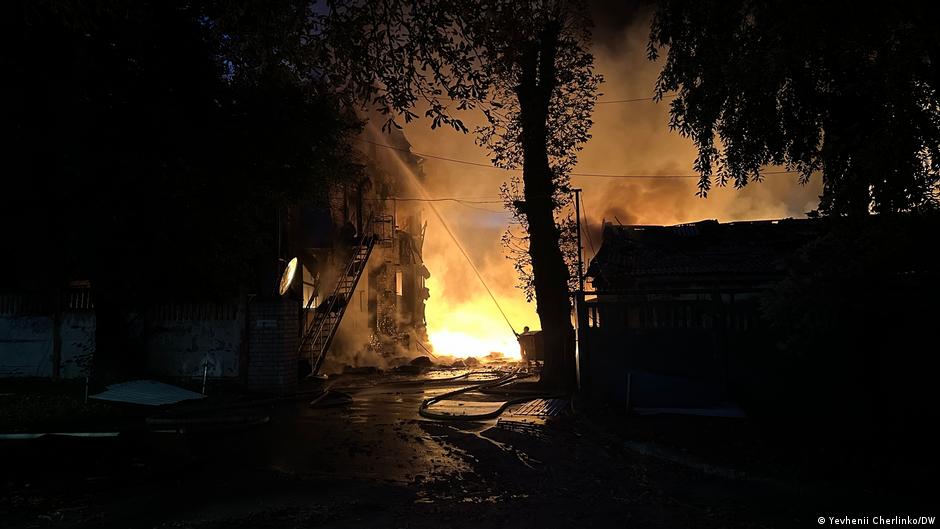
The suburbs of Kryvyi Rih suffered a particularly tragic blow when a ballistic missile "Iskander-M" struck a private residence housing a large family, killing six, including two children aged 5 and 12, and injuring eight others. Rescue operations continue amid concerns that the death toll may rise.
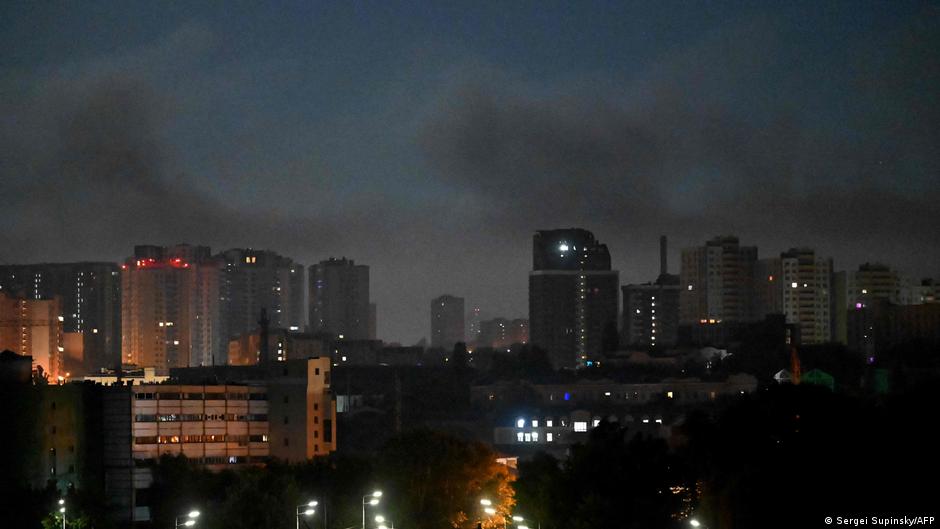
In Kyiv, missile debris caused multiple fires across various neighborhoods, with the city's mayor reporting one civilian death. Air defense systems were active throughout these attacks, attempting to mitigate damage.
Further west, the city of Lviv experienced explosions and air raid alerts, damaging two residential high-rises. Rescue teams are conducting operations at the sites. In the industrial district of Kharkiv's Novobavarskyi area, a drone strike was recorded, although detailed information remains limited.
Additional explosions were reported in the regions of Vinnytsia, Cherkasy, Sumy, Ivano-Frankivsk, and Kryvyi Rih, indicating a broad operational campaign by Russian forces involving ballistic and cruise missiles, drones, and guided aerial bombs.
“It is critical for our partners to fully understand the situation and recognize that their readiness to supply missile defense systems like the Patriot directly impacts the protection of civilian lives,” stated the Ukrainian president.
Strategic and Economic Implications
Ukrainian President Volodymyr Zelensky highlighted the premeditated nature of these attacks, noting that Russian forces had been preparing for days. He emphasized the importance of international support, particularly from the United States and NATO allies capable of providing advanced air defense systems, to mitigate further civilian harm.
From a macroeconomic perspective, the escalation of missile and drone attacks across multiple urban centers in Ukraine heightens risks to the country's economic infrastructure and civilian population. Disruptions to industrial zones and residential areas threaten supply chains, labor markets, and long-term economic recovery prospects.
Furthermore, the conflict’s intensification bears global economic consequences. Increased instability in Ukraine can exacerbate energy market volatility, disrupt grain exports critical to global food security, and influence international investment flows in the region. The demand for advanced air defense capabilities also introduces shifts in defense spending priorities among allied nations.
As the conflict continues, sustained international collaboration and strategic policy adjustments remain crucial to managing both immediate humanitarian needs and the broader economic ripple effects.