Ukraine Loses Fourth F-16 Fighter Jet Amid Ongoing Conflict with Russia
The fourth F-16 fighter jet supplied by Western allies has crashed during combat operations, highlighting challenges in Ukraine’s air defense capabilities.
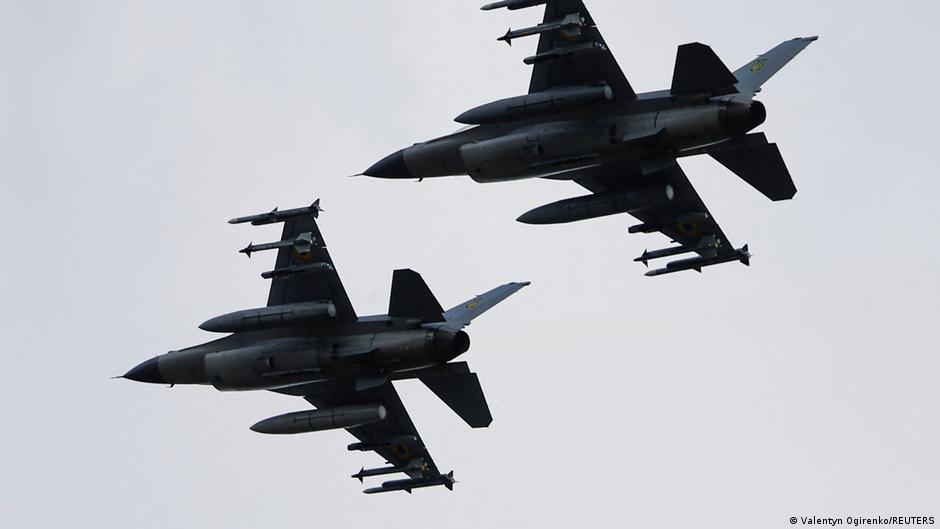
Ukraine’s Air Force suffered a significant setback with the crash of its fourth F-16 fighter jet amid ongoing hostilities with Russia. The incident occurred on July 29, 2026, during a combat mission aimed at intercepting Russian aerial targets. Fortunately, the pilot successfully ejected and was evacuated for medical assessment, with no civilian casualties reported.
Strategic and Operational Implications of F-16 Losses
The F-16 jets represent a critical enhancement of Ukraine’s air defense capabilities, delivered by a coalition of European countries led by Denmark and the Netherlands, with initial deliveries starting in August 2024. Ukraine was slated to receive a total of 79 F-16s by the end of 2025, with Ukrainian pilots trained extensively on these aircraft in the United States.
Despite this buildup, the loss of four F-16s within less than two years reflects the operational hazards and complexities such Western-supplied advanced aircraft face in an active warzone characterized by sophisticated Russian missile and drone attacks. Earlier losses include the first F-16 downed during a Russian missile strike in August 2024, which resulted in the death of pilot Alexey Mes, and subsequent crashes in April and May 2025, both of which claimed pilots who were posthumously awarded Hero of Ukraine honors.
"The loss of each Western fighter jet represents a sensitive blow to Ukraine’s air defense system in the context of ongoing Russian aggression," noted analysts from international agencies.
The cumulative attrition of these jets poses broader strategic challenges for Ukraine’s war effort and raises questions about sustaining air superiority in a protracted conflict. It also underscores the risks Western nations assume as they supply high-tech military hardware in a volatile environment, potentially influencing future military aid policies.
From an economic and policy perspective, the crashes highlight the substantial investment in training, maintenance, and logistics required to effectively integrate advanced Western weaponry into Ukraine’s military arsenal. The growing operational cost of these losses may pressure both Kyiv and its allies to reassess procurement strategies and the scale of future military support.
Moreover, these incidents could have long-term implications for global defense cooperation frameworks, especially amid heightened tensions between NATO-aligned countries and Russia. The need to tailor aid packages that balance tactical effectiveness with risk mitigation is increasingly evident.
As investigations continue into the causes of the latest crash, the incident serves as a stark reminder of the multifaceted challenges facing Ukraine’s defense modernization efforts and the broader geopolitical stakes involved in this conflict.