Israel Conducts Retaliatory Airstrikes on Iran Amid Rising Regional Tensions
Escalating Israeli-Iranian exchanges occur as US pursues potential peace agreement with Tehran.
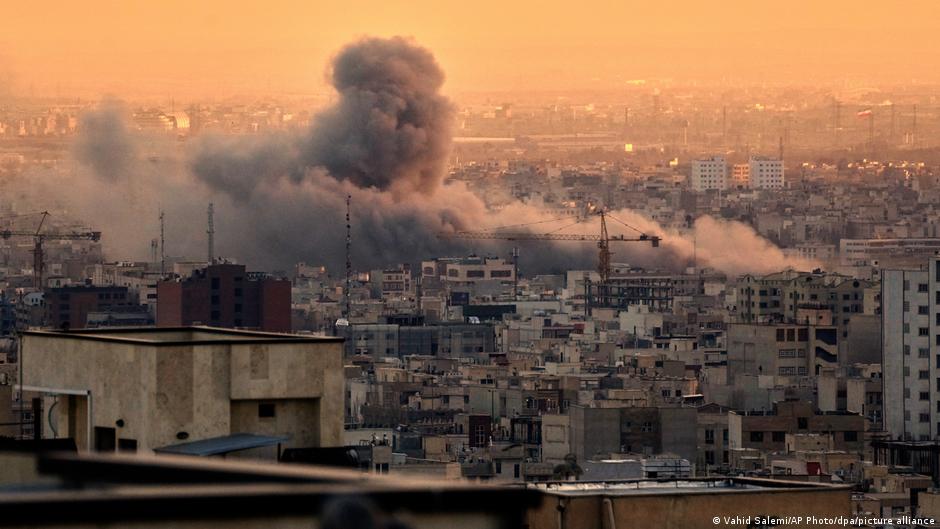
On June 8, the Israeli Defense Forces (IDF) carried out airstrikes targeting locations in western and central Iran in response to Iranian missile attacks on Israeli territory. The specific targets of the Israeli strikes were not disclosed by the IDF in their official communication on social media platform X.
The day prior, Israel reported a missile attack launched from Iran, prompting emergency measures such as calls for civilians to shelter in protected areas and the closure of schools nationwide. This marked a significant escalation in hostilities between the two regional adversaries.
Context of Reciprocal Attacks and Regional Dynamics
The Iranian government characterized the Israeli air raids as a "warning" following earlier Israeli strikes against a Hezbollah stronghold in Lebanon. Israeli Prime Minister Benjamin Netanyahu and Defense Minister Israel Katz stated that the military operations targeted "terrorist headquarters" in Beirut, framing the strikes within the broader conflict involving non-state militant actors backed by Iran.
"The IDF’s operations are a direct response to Iranian aggression and aimed at dismantling terrorist infrastructure," official Israeli statements emphasized.
The reciprocal missile strikes underscore the fragile security situation in the Middle East, where proxy conflicts and direct confrontations intertwine, raising concerns about the potential for broader regional escalation.
US Diplomatic Efforts Amid Escalation
This military exchange unfolds against ongoing diplomatic efforts led by the United States to negotiate a peaceful settlement with Iran. US President Donald Trump publicly reaffirmed his administration's intent to reach a diplomatic agreement with Tehran. In a June 7 interview with the Financial Times, President Trump indicated that Israeli Prime Minister Netanyahu would accept any peace deal acceptable to Washington, asserting his own primacy in decision-making.
Reports from late May suggested that preliminary framework agreements had been tentatively reached between US and Iranian negotiators aiming to resolve the protracted conflict that has intensified since late February. However, the Trump administration has not yet endorsed any final agreement, insisting that Iran must meet essential conditions, including the abandonment of its nuclear weapons ambitions.
Iranian authorities similarly maintain that no conclusive peace accord with the United States has been finalized, signaling ongoing challenges to achieving lasting diplomatic resolutions.
Macroeconomic and Geopolitical Implications
The recent escalation between Israel and Iran, juxtaposed with simultaneous US diplomatic overtures, presents a complex scenario with significant ramifications for global economic and security environments. Persistent tensions threaten to destabilize energy markets, given Iran's strategic position along critical oil transit routes, potentially impacting global oil supply and prices.
Furthermore, renewed conflict could disrupt investor confidence in the region, hinder economic growth prospects, and compel shifts in defense spending and international alliances. The interplay between military engagements and diplomatic negotiations will be a critical factor shaping regional stability and the broader geopolitical landscape.
Senior decision-makers should closely monitor developments as they may precipitate policy shifts, influence global energy markets, and affect international security frameworks.