Trump Demands Elimination of Iran's Enriched Uranium Stocks Amid Heightened Tensions
U.S. President Trump insists Iran's enriched uranium must be destroyed either in the U.S. or under IAEA supervision on site.
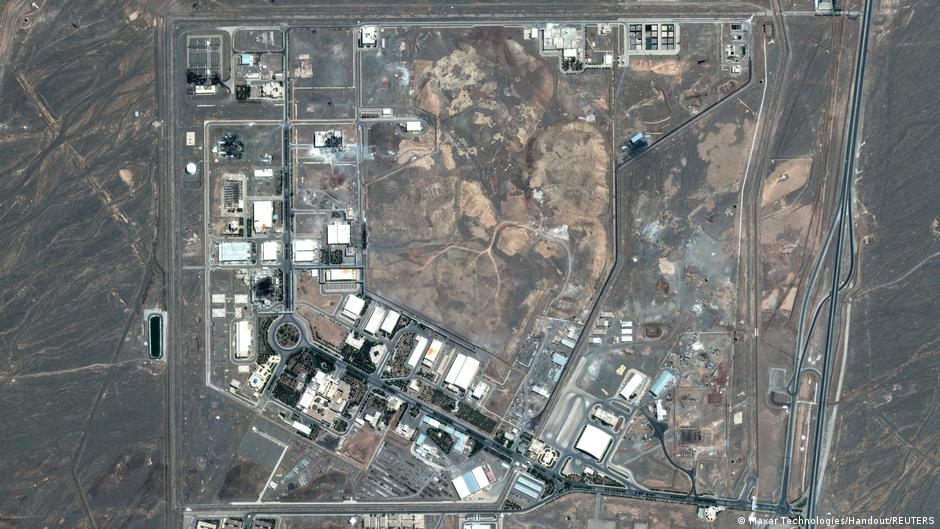
Former U.S. President Donald Trump has issued a stark directive concerning Iran's enriched uranium reserves, stating that they should either be transported to the United States for destruction or eliminated on site under the supervision of the International Atomic Energy Agency (IAEA). This announcement, made via his social media platform Truth Social on May 25, underscores escalating geopolitical tensions and highlights the ongoing nuclear security dilemma in the Middle East.
Strategic Implications of Uranium Stockpile Destruction
Trump's stance reflects a hardline approach aimed at neutralizing what the U.S. government considers a critical national security threat posed by Iran's nuclear program. The demand to remove or destroy uranium stocks is framed as a preventive measure against potential nuclear weapons development.
"The enriched uranium currently held by Tehran must be either immediately transferred to the U.S. for destruction or destroyed on-site under IAEA oversight," Trump wrote, emphasizing the urgency of mitigating this perceived risk.
The former president further described Iran’s enriched uranium as "nuclear dust," alluding to past U.S. military actions targeting Iran’s nuclear infrastructure. Such language signals a willingness to maintain or escalate pressure on Tehran through both diplomatic and potentially military options.
According to U.S. intelligence estimates cited in the announcement, Iran possesses over 440 kilograms of uranium enriched up to 60 percent—significantly above levels necessary for civilian nuclear energy but below weapons-grade enrichment. Still, this stockpile could theoretically be further enriched to 90 percent, sufficient for nuclear weapons fabrication.
This development revives concerns about nuclear proliferation risks in the region, which have far-reaching implications for global security and economic stability. The prospect of Iran achieving weapons-grade material could catalyze an arms race in the Middle East, destabilizing energy markets and complicating international trade relations.
Policy Shifts and Long-Term Economic Consequences
The insistence on uranium destruction reflects broader policy dynamics, including the ongoing covert conflict between the U.S., Israel, and Iran that intensified after February 28. The U.S. and its allies view Iran's nuclear capabilities as a direct threat to regional balance, prompting strategic decisions with economic repercussions—ranging from sanctions to military expenditures.
Should uranium stocks be destroyed on Iranian soil under IAEA supervision, it would require unprecedented cooperation and verification mechanisms, potentially reshaping diplomatic engagement frameworks. Conversely, forcibly removing uranium to the U.S. could provoke retaliatory escalations, impacting global energy supply chains given Iran’s role as a major oil exporter.
Iran has repeatedly denied any intentions to develop nuclear weapons, maintaining its program is solely peaceful. It has, however, threatened to increase uranium enrichment levels in response to hostile actions, signaling a volatile policy environment.
As of now, Tehran has not confirmed any agreement to transfer its uranium stocks abroad, leaving the issue unresolved and fraught with uncertainty. This ambiguity exacerbates investor caution and highlights the fragility of international efforts to contain nuclear proliferation risks.
In conclusion, Trump’s statement underscores the heightened stakes surrounding Iran’s nuclear program and the consequential policy choices that will influence geopolitical stability and global economic conditions over the long term.