Saratov Refinery Halted by Drone Attacks Amid Russia’s Fuel Shortage Crisis
The suspension of operations at a major Russian refinery highlights escalating vulnerabilities in the country’s energy infrastructure amid ongoing conflict.
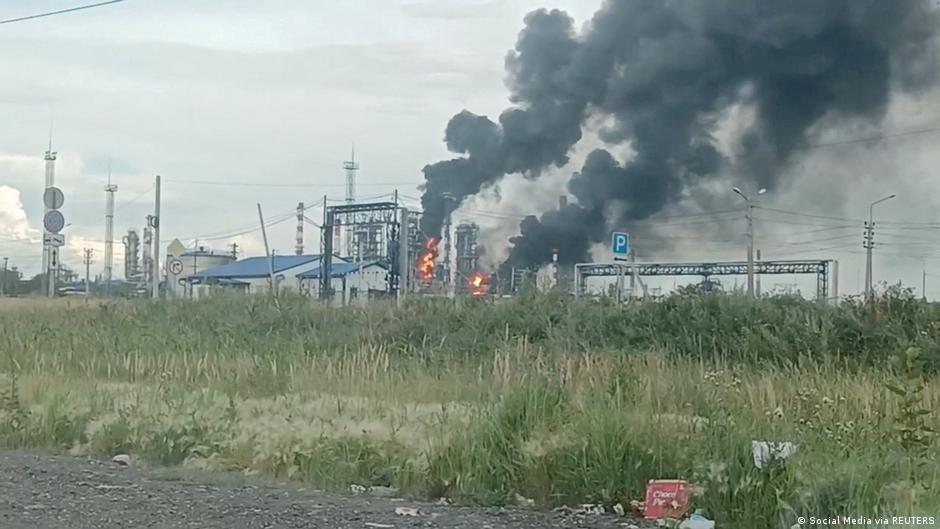
Russia’s ongoing fuel shortage has deepened following a new disruption at the Saratov Oil Refinery, which has ceased operations indefinitely after suffering damage from Ukrainian drone strikes. This latest incident underscores the growing impact of Ukraine’s targeted attacks on Russian energy infrastructure and carries significant ramifications for Russia’s domestic energy supply and broader economic stability.
Strategic Impact of Refinery Disruptions
Sources familiar with the situation reveal that Ukrainian unmanned aerial vehicles struck the refinery’s primary crude distillation unit CDU-6, responsible for processing up to 20,000 tonnes of crude oil daily. This unit was the sole primary distillation facility at the Saratov site, making the damage particularly crippling. Governor Roman Busargin confirmed damage to civilian infrastructure but refrained from detailing the extent of refinery impairments.
"The attack on the Saratov refinery represents not only a tactical blow but also a strategic disruption to Russia's critical fuel processing capacity," analysts note.
The Saratov refinery, owned by Rosneft, has been targeted multiple times since the onset of Russia’s full-scale war in Ukraine, highlighting a persistent vulnerability in the country’s energy sector. Rosneft declined to comment on the latest incident.
Broader Economic and Policy Implications
Data from the first half of 2026 indicates that at least 13 Russian refineries have been fully or partially shut down following Ukrainian drone attacks. Industry analysis estimates that these disruptions have effectively removed 25% of Russia’s oil refining capacity and 30% of gasoline and diesel fuel output.
The ripple effect on Russia’s domestic fuel market has been severe. According to Financial Times calculations, around 50 million Russians—or approximately 35% of the population—have been affected by gasoline shortages as of early July. This has prompted local authorities to impose fuel sale restrictions across most regions, with some areas like the Zabaykalsky Krai, Penza, and Irkutsk regions declaring enhanced readiness statuses.
In response to the mounting crisis, Russian authorities have banned diesel fuel exports by producers until at least July 31, extending restrictions initially introduced in January 2026 that previously targeted intermediaries rather than producers themselves.
Deputy Prime Minister Alexander Novak outlined measures taken by Russian refineries to mitigate the impact, including maximizing operational capacity at functioning plants, accelerating the distribution of stored fuel reserves, shortening maintenance turnaround times, postponing scheduled repairs, and ramping up output at small and medium refineries.
Long-Term Consequences for Russia and Global Markets
The continued targeting of Russian refineries signals a shift towards sustained attrition of Russia’s energy infrastructure, with potential long-term effects including prolonged domestic fuel shortages, increased inflationary pressures, and disruptions to industrial and agricultural sectors reliant on fuel supplies.
From a global perspective, these dynamics may influence energy markets by reducing Russian fuel exports and shifting trade patterns, potentially benefiting alternative suppliers but also exacerbating volatility in fuel prices worldwide.
Strategically, this situation compels Russian policymakers to reassess energy security frameworks and investment priorities, possibly accelerating diversification efforts or reinforcing protection of critical infrastructure.
As the conflict continues, the fate of Russia’s refining capabilities remains a pivotal factor in both its economic resilience and geopolitical posture.