Fuel Prices in Crimea Surge Nearly 80% in One Week Amid Russia’s Export Restrictions
A sharp rise in fuel prices in annexed Crimea reflects broader supply constraints and policy shifts in Russia’s energy sector.
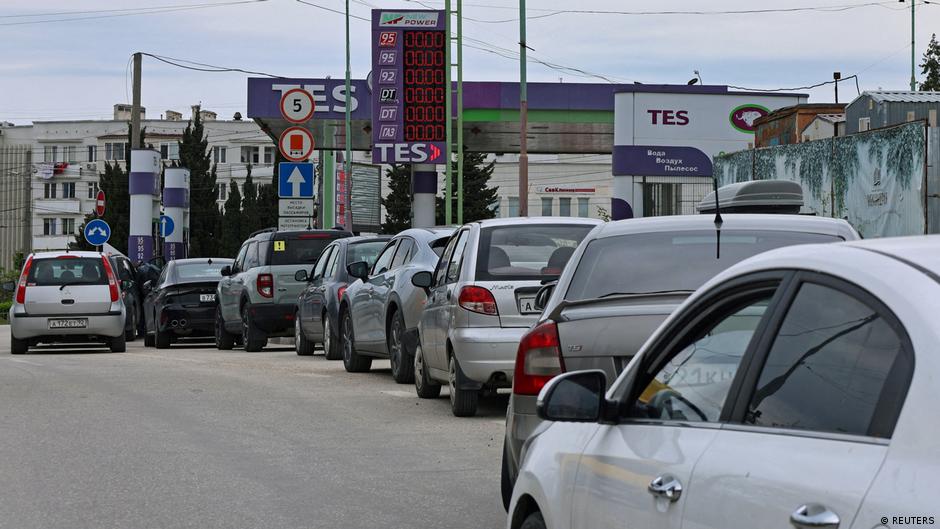
Fuel prices in the annexed Crimea region soared by an average of 78.4% during the first week of July, according to recent data from Russia’s Federal State Statistics Service (Rosstat). The cost of AI-95 gasoline, one of the most popular fuel grades among Russian motorists, jumped from 88.82 rubles to 170.59 rubles per liter, a 92% increase.
This dramatic price surge in Crimea outpaces all other Russian regions, highlighting acute local supply disruptions and the impact of Russia’s evolving energy policies amid ongoing geopolitical tensions and internal market constraints.
Underlying Factors and Nationwide Implications
While the overall increase in fuel prices across Russia was 2.1% for gasoline and 3.4% for diesel during the same period, Crimea's spike is an outlier, indicating severe regional supply shortages. Ivanovo region followed Crimea with a 19% increase in fuel prices.
Additionally, prices for all gasoline grades in the Republic of Tuva remain above 100 rubles per liter, and AI-95 gasoline exceeds 90 rubles in several other Russian regions, including Kalmykia, Dagestan, Kabardino-Balkaria, Chechnya, and Kamchatka. Diesel and lower-grade gasoline prices have also risen sharply in various parts of the country.
"The sharp escalation of fuel prices in Crimea reflects the confluence of supply chain disruptions, infrastructure vulnerabilities, and recent policy measures limiting fuel exports," analysts note.
The surge follows Russia’s decision to ban diesel fuel exports from July 8 to 31, aiming to stabilize the domestic energy market amid a deepening fuel crisis. Vice Prime Minister Alexander Novak announced this measure during a government meeting chaired by President Vladimir Putin.
Previously, export restrictions applied mainly to fuel producers, but the new policy extends the ban to include producers themselves, affecting diesel, marine fuel, and gasoil. This marks an intensified state intervention intended to alleviate the acute fuel shortages exacerbated since late May.
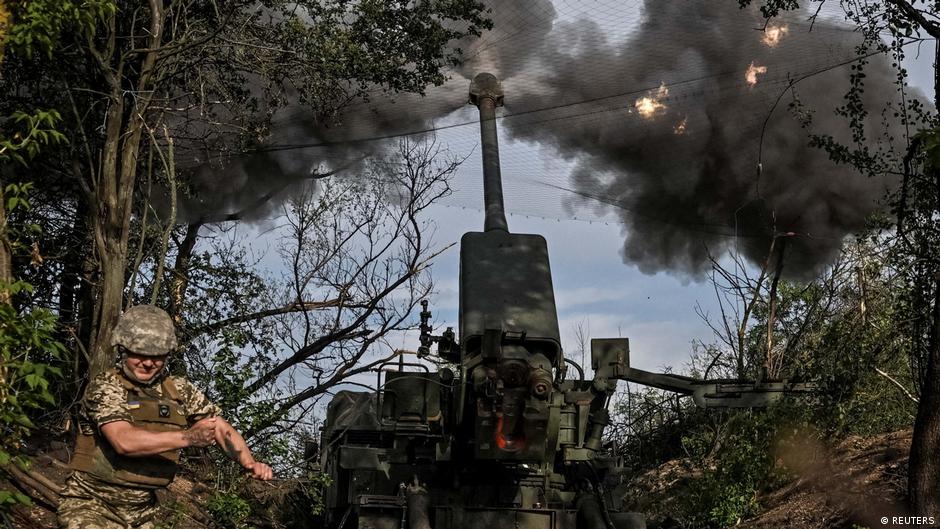
The fuel crisis stems in part from increased attacks by Ukraine on Russian oil refineries and energy infrastructure, severely disrupting domestic production capacity. As a result, many Russian regions are experiencing long queues at gas stations, with some stations ceasing operations due to stockouts. By early July, around 60 regions, including occupied Ukrainian territories, had implemented various measures to ration and control fuel sales.
In response to shortages, the Russian government has temporarily authorized the sale of "Euro-3" class fuels—an outdated environmental standard with significantly higher sulfur content than the modern Euro-5 benchmark. The move prioritizes short-term availability over environmental concerns, permitting gasoline with sulfur content up to 150 mg/kg and diesel up to 350 mg/kg, compared to 10 mg/kg under Euro-5 standards.
Moreover, Russia is increasingly reliant on imports to mitigate domestic fuel shortages. Reuters reports that India has already shipped nearly 60,000 tons of gasoline to Moscow by sea, with ongoing negotiations involving Kazakhstan. Plans are also underway to procure Japanese aviation fuel through trading intermediaries.
Global Economic and Policy Context
The rapid fuel price escalation in Crimea and parts of Russia underscores broader macroeconomic challenges stemming from geopolitical conflict, infrastructure assault, and restrictive trade policies. The export ban and relaxation of fuel quality standards reveal trade-offs between supply security and environmental commitments, which could have long-term consequences for Russia’s energy sector competitiveness and global market integration.
For international energy markets, Russia’s growing dependency on imports and export curbs may introduce volatility and shift trade flows, impacting regional fuel availability and pricing. Additionally, the move toward lower-quality fuels could exacerbate environmental and health risks, affecting economic productivity and public welfare.
Policy makers and senior economic decision-makers should closely monitor these developments, as they reflect the intersection of geopolitical risks, resource management strategies, and market stabilization efforts vital to understanding Russia’s economic trajectory and its implications for global energy dynamics.