Germany Announces Record Defense Spending Within NATO, Signaling Major Policy Shift
Germany plans unprecedented €124.7 billion defense expenditure for 2026, reshaping European security and economic priorities.
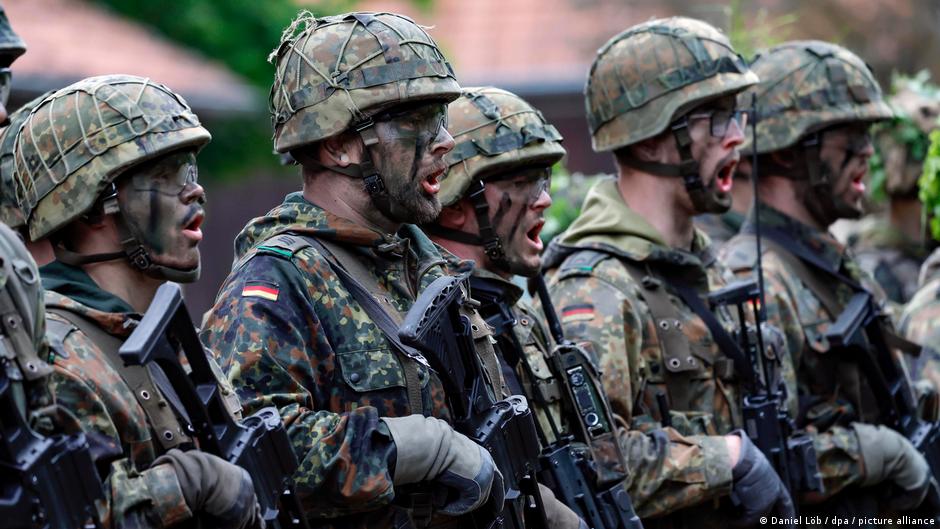
As NATO convened for its summit in Ankara, new data on member states’ defense expenditures revealed a significant milestone for Germany. The German government declared a record defense budget of €124.7 billion for 2026, marking a substantial increase and signaling a profound shift in European military and economic policy.
Implications of Germany’s Defense Spending Surge
This €124.7 billion budget corresponds to a 25.5% rise compared to 2025’s approximately €99.3 billion. In absolute terms, the increase of €25.4 billion is the highest annual boost ever recorded for Germany’s defense within NATO. Despite this surge, only the United States allocates more financial resources to defense in the alliance.
The defense expenditure as a share of Germany’s Gross Domestic Product (GDP) is projected to reach 2.69% in 2026, up from 2.22% in 2025. This increase aligns Germany more closely with NATO’s evolving expectations on defense commitments amid changing geopolitical tensions.
“European allies and Canada have already increased their defense spending by nearly 20% compared to last year, contributing an additional $139 billion,” NATO Secretary General Jens Stoltenberg stated, emphasizing the collective effort to bolster alliance security.
Germany’s recalibrated defense budget reflects broader strategic imperatives, including responses to heightened geopolitical risks in Eastern Europe and the Middle East. The country is preparing to issue government bonds exceeding €200 billion in 2027 alone—up 12.5% from the current year—to finance this expansion. Over the next decade, borrowing is expected to surpass €800 billion, underscoring the scale of investment planned for national and allied security.
Financial Times projections estimate Germany’s defense budget will surge to €183.6 billion by 2030, representing roughly a third of the nation’s total government budget. This sizeable allocation signals a historic policy shift for a country traditionally cautious about military spending, reshaping its economic and geopolitical role within Europe and NATO.
Broader NATO Context and Global Economic Impact
Despite Germany’s record increase, NATO’s overall defense spending remains dominated by the United States. In 2026, adjusted for exchange rates and inflation, U.S. defense investments are forecasted at approximately $850.2 billion (€745 billion), significantly exceeding the combined expenditures of all other NATO partners, which total €556 billion.
Germany currently ranks fourth globally in defense spending, trailing only the United States, China, and Russia. This elevated military investment raises important considerations regarding economic resource allocation, fiscal sustainability, and the long-term impact on European economies.
At the summit, NATO highlighted that five member countries—Greece, Poland, Latvia, Lithuania, and Estonia—will reach the target of dedicating 5% of their GDP to defense in 2026. Additionally, 17 other NATO members are expected to meet the expanded target of 3.5% GDP by the end of this year, reflecting a broader policy shift towards increased defense readiness in the alliance.
However, some NATO members such as Belgium, Spain, and the Czech Republic will maintain defense expenditure levels near only 2% of GDP, with Slovenia projected to fall below the 2% threshold set by the 2014 NATO guidelines by the end of 2024. These disparities could complicate alliance cohesion and burden-sharing in the coming years.
Germany’s ambitious increase in defense spending will have profound macroeconomic consequences, particularly in terms of budgetary priorities and public debt trajectories. The issuance of large-scale government bonds to fund military expenditures introduces new considerations for fiscal policy, potentially impacting interest rates and investment climates across Europe.
The German case exemplifies a broader geopolitical realignment. As tensions persist on the continent and beyond, the reallocation of resources towards defense reflects an acknowledgment by European powers of the evolving security landscape, economic interdependencies, and the need to recalibrate strategic priorities in the coming decade.