Cuba Faces Nationwide Blackout Amid Intensified U.S. Sanctions and Energy Crisis
Cuba's complete power outage highlights deepening economic strain as U.S. sanctions exacerbate fuel shortages and stall diplomatic talks.
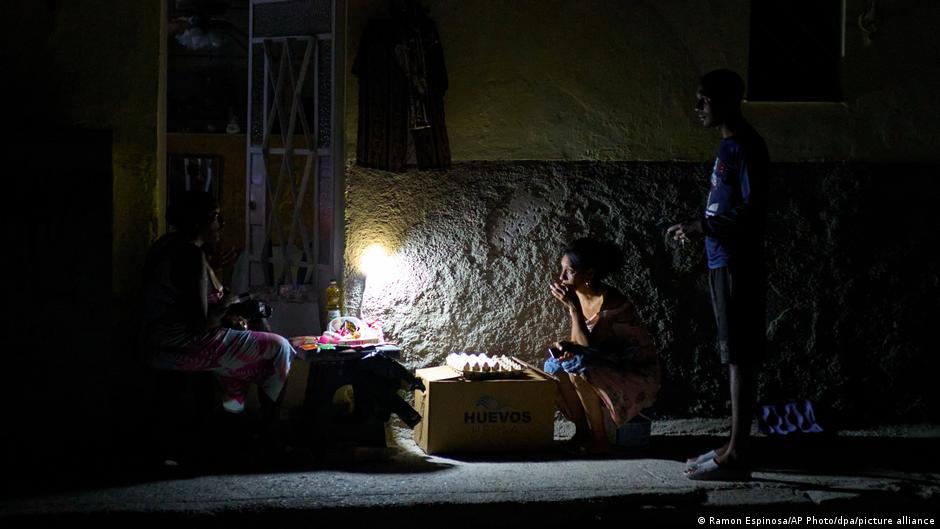
On July 6, Cuba experienced a complete nationwide blackout, marking another severe disruption to the island's already fragile electrical grid. The state-run utility company, Unión Eléctrica, reported the outage and confirmed that restoration efforts had commenced, although the exact causes remain under investigation.
Escalating Energy Crisis Under U.S. Sanctions
This blackout occurs against the backdrop of intensifying economic and political pressures imposed by the United States government. Since the start of 2026, Cuba has struggled to secure sufficient fuel supplies, now covering only 40% of its energy needs.
U.S. sanctions tightened in early 2026, permitting the delivery of oil to Cuba from a single Russian tanker in late March. The 730,000 barrels supplied were depleted by May, leaving the country critically short of fuel to generate electricity. As a result, chronic power outages have become increasingly frequent and prolonged.
"American sanctions have significantly worsened Cuba's persistent electricity shortages, affecting roughly 10 million residents," Bloomberg reported.
In recent months, Cuba has endured multiple large-scale blackouts, including a full national outage lasting several hours in mid-March and targeted blackouts in eastern provinces during May. To conserve electricity, government-mandated rolling blackouts can last up to 24 hours, severely disrupting daily life and economic activity.
Economic Reforms and Diplomatic Stalemates
In response to the ongoing crisis, Cuban authorities have embarked on the most extensive economic reforms in over six decades, aiming to alleviate the pressures of the energy blockade. In June 2026, the government unveiled nearly 200 market-oriented reforms, including partial privatization initiatives, hoping to trigger a lifting of Washington’s fuel restrictions.
However, diplomatic negotiations between Cuba and the United States have reached an impasse. The U.S. administration under Donald Trump continues to leverage economic sanctions and political pressure intending to facilitate a regime change in Havana, seeking a government more aligned with U.S. interests.
Global Economic and Policy Implications
The Cuban energy crisis and its exacerbation by U.S. sanctions hold broader implications for global economic policy and energy security in politically sensitive regions. This situation underscores the limits of unilateral sanctions in achieving political goals without precipitating severe humanitarian and infrastructural consequences.
For senior decision-makers, the Cuban case highlights the delicate balance between exerting geopolitical pressure and managing the unintended economic fallout on civilian populations and regional stability. It also raises questions about the efficacy of energy blockades as a tool for political leverage in an interconnected global economy.