Germany Welcomes Canada’s Choice of TKMS Submarines as Strategic Defense Signal
Canada's procurement of German-designed non-nuclear submarines signals strengthened transatlantic defense cooperation ahead of NATO summit.
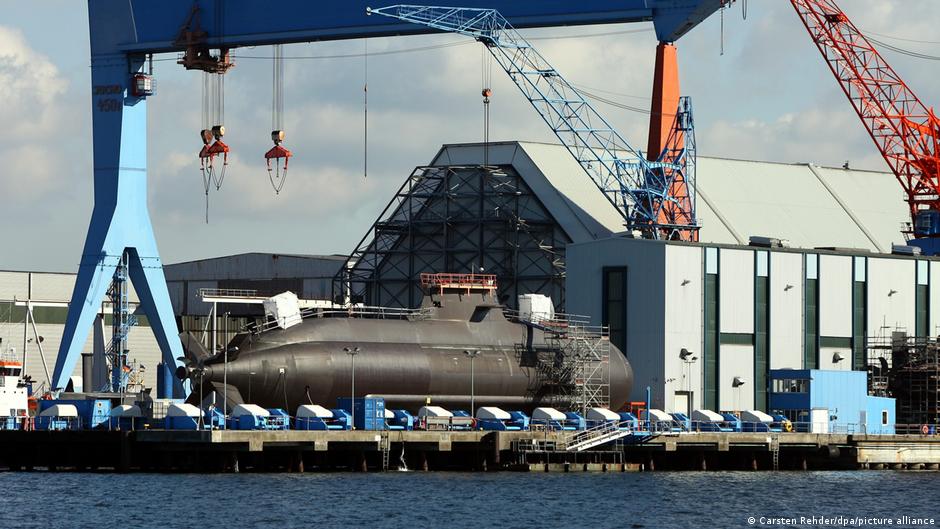
Germany has warmly received Canada’s decision to purchase up to 12 Type 212CD non-nuclear submarines from German shipbuilder ThyssenKrupp Marine Systems (TKMS), underscoring a significant shift in global defense cooperation and industrial policy. The announcement, made by Canadian Prime Minister Mark Carney, was hailed by German Chancellor Friedrich Merz and other senior officials as a powerful geopolitical and economic signal.
Strengthening Transatlantic and Arctic Security Cooperation
Chancellor Merz described Canada’s choice on July 6 as a "strong signal" of commitment to transatlantic and European defense collaboration, especially crucial ahead of the NATO summit. He emphasized the strategic importance of this partnership in reinforcing NATO’s security architecture.
German Defense Minister Boris Pistorius highlighted the trilateral submarine fleet—comprising Canada, Germany, and Norway—as a cornerstone of NATO’s security strategy in the High North. "Together, we will create the largest and most modern fleet of non-nuclear submarines globally," he stated. The fleet will facilitate real-time intelligence sharing and coordinated operations across the North Atlantic, Arctic, and High North regions, areas of increasing geopolitical competition and strategic interest.
"We will be able to operationally exchange information gathered by our 24 submarines in the North Atlantic, Arctic, and High North, analyze it, and leverage it," said Defense Minister Pistorius.
Foreign Minister Johann Wadephul further underscored the industrial and defense policy implications, praising the German-Norwegian collaboration and Canada’s selection of "the world’s best non-nuclear submarines." This partnership opens a new chapter in defense industrial cooperation, potentially reshaping the shipbuilding sector and supply chains across the Atlantic.
Economic and Industrial Implications of the Multibillion-Euro Contract
The contract with TKMS, potentially valued at around €100 billion when factoring in long-term maintenance and operational costs, reflects the significant economic impact of this procurement. TKMS outcompeted South Korea’s Hanwha Ocean, emphasizing the strategic value placed on European defense industrial capabilities.
This decision not only boosts German shipbuilding but also signals a shift in global defense procurement patterns amid evolving geopolitical tensions. It underlines a broader trend of NATO allies enhancing military interoperability and investing in advanced maritime capabilities as Arctic and North Atlantic security concerns intensify.
Long-term, the integration of Canadian submarines with those of Germany and Norway may facilitate joint operational doctrines, shared technological development, and coordinated strategic postures in critical maritime domains. It also reflects a nuanced policy shift towards reinforcing alliances through defense industrial collaboration, potentially influencing future procurement decisions and industrial partnerships across the alliance.