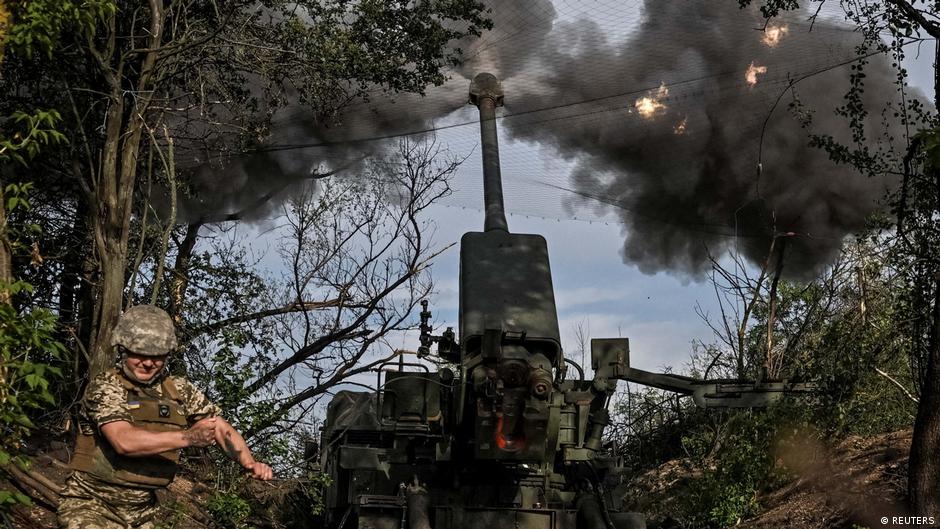
Russian Attacks on Ukrainian Regions Result in Civilian Casualties and Infrastructure Damage
Multiple missile, drone, and aerial bomb strikes across Ukraine cause fatalities, injuries, and raise concerns about escalating conflict impacts.
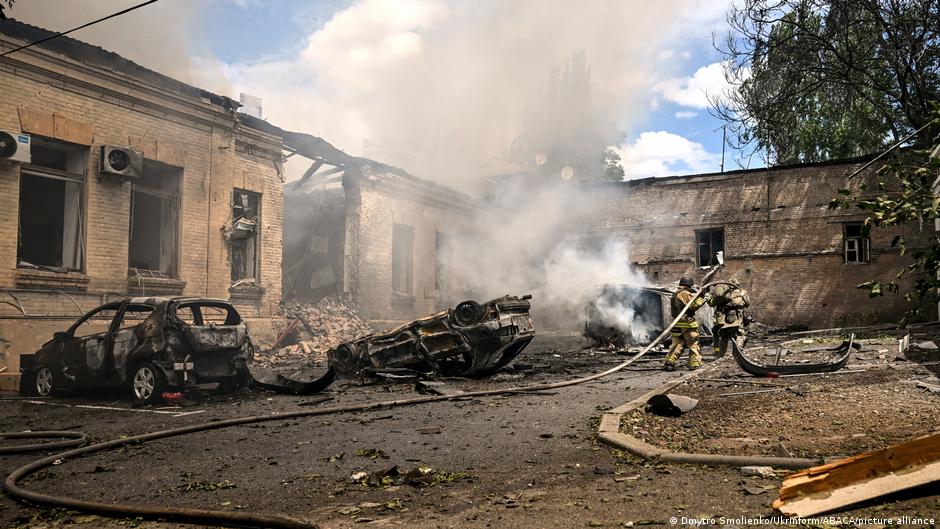
On July 5, Russian forces launched a series of coordinated attacks targeting multiple regions in Ukraine, employing aerial bombs, missiles, and drones. According to regional authorities, these strikes resulted in four civilian deaths and 25 injuries, highlighting the sustained intensity of the conflict with significant implications for regional stability and economic recovery.
Scope and Impact of the Attacks
The Ukrainian cities affected by the strikes include Kharkiv, Zaporizhzhia, Kherson, Izium, Bohodukhiv, and areas within the Chernihiv region. The attacks occurred throughout the day and into the evening, underscoring a deliberate campaign strategy to inflict widespread damage.
In Zaporizhzhia, two aerial bombs hit residential areas, destroying private homes and damaging 35 apartments in a multi-story building. The attack resulted in one death and 13 injuries, including vulnerable individuals such as a 14-year-old adolescent and an 89-year-old woman. The region remained under threat from drones until at least 8:58 PM local time, indicating ongoing security challenges.
Early morning strikes in Kherson caused injuries to two individuals, including a 44-year-old man who suffered explosive and shrapnel wounds. In Chernihiv, a sorting center operated by the national postal service was destroyed, disrupting logistics and communication networks critical to both civilian and commercial activities.
Bohodukhiv, located in Kharkiv Oblast, endured rocket attacks leading to two fatalities and two injuries, while Izium suffered one fatality and multiple injuries alongside infrastructure damage to a gas station and adjacent vehicles. Kharkiv itself was targeted twice in one day, with drone strikes damaging a fuel station and causing multiple injuries among civilians, including young adults.
"The relentless strikes across multiple regions signify a strategic escalation with profound implications for civilian safety and the economic infrastructure of Ukraine," said a security analyst.
Broader Economic and Policy Implications
These attacks occur amidst ongoing warnings from Ukrainian President Volodymyr Zelensky regarding impending massive strikes from Russian forces. The recent escalation follows the most intensive bombardment since the conflict began, which on July 4 had already claimed 31 lives and injured over 100 people.
Beyond immediate human costs, the destruction of critical infrastructure such as postal sorting centers and fuel stations disrupts essential services, complicates supply chains, and undermines economic activity in affected regions. Repeated targeting of logistical nodes raises concerns about longer-term economic consequences, including impediments to reconstruction efforts and investor confidence.
Regional officials have cautioned about ongoing threats to fuel stations not only in the directly affected areas but also in neighboring regions, advising citizens to avoid these sites unless necessary. Such security advisories reflect the persistent risk environment that local economies must navigate.
From a macroeconomic perspective, sustained military operations that degrade civilian infrastructure exacerbate humanitarian challenges and complicate international aid delivery. They also pose risks to Ukraine's broader economic stability and recovery trajectory, which depends heavily on secure supply chains and infrastructure integrity.
Policy responses by Ukrainian authorities and international partners will need to integrate enhanced protection of critical infrastructure and support for impacted populations while addressing the broader geopolitical ramifications of the conflict escalation.
These developments underscore the urgent need for strategic dialogue and renewed efforts towards conflict de-escalation to mitigate enduring economic and human costs.