US Strikes Iran Following Attacks on Commercial Shipping Amid Rising Gulf Tensions
US military carried out significant strikes on Iranian targets in response to attacks on tankers near the Strait of Hormuz, signaling potential escalation and impacting global trade security.
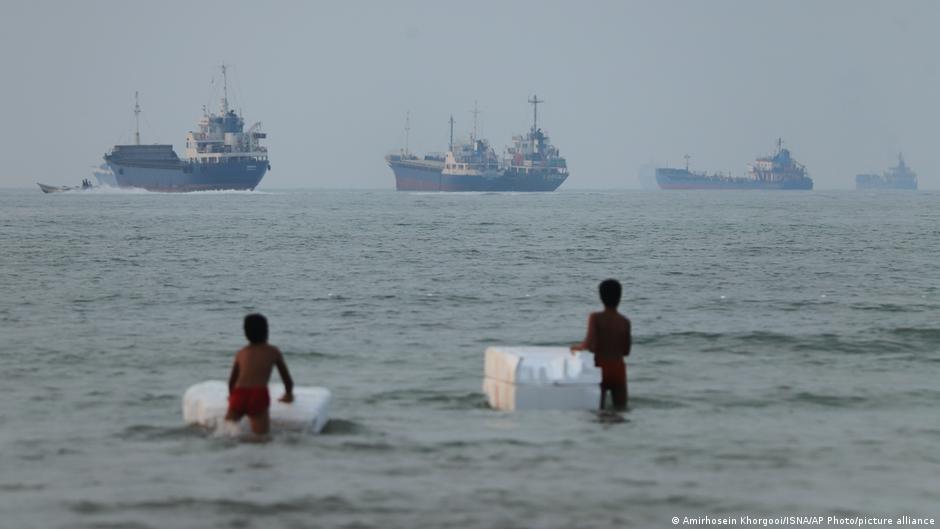
The United States has launched a new wave of military strikes against Iran, targeting key military assets in retaliation for attacks on three commercial tankers in the Strait of Hormuz, a critical global shipping route. These developments underscore growing geopolitical tensions with potential ramifications for global energy markets and international maritime security.
Context and Details of the Military Response
According to the US Central Command (CENTCOM), the strikes were aimed at inflicting substantial damage on Iranian systems, including air defense networks, communications infrastructure, coastal radar installations, anti-ship missile defenses, and over 60 vessels associated with the Islamic Revolutionary Guard Corps (IRGC). This response follows Iranian attacks on commercial vessels, which CENTCOM described as "unprovoked, dangerous aggression and a clear violation of the ceasefire regime."
One tanker was reportedly hit by a drone, sustaining minor damage, while a Qatari liquefied natural gas tanker, Al-Rekajat, suffered serious damage from an unidentified projectile. A third vessel was also targeted, though specific details remain unclear.
"The aggression demonstrated by Iran was unwarranted, dangerous, and constituted a clear violation of the ceasefire regime," stated CENTCOM.
Sanctions and Diplomatic Fallout
Concurrently with the strikes, the US government reinstated sanctions on Iranian oil exports that had been lifted just over two weeks prior. Iran’s Deputy Foreign Minister, Kazem Garibabadi, condemned the US actions as a "serious violation" of agreements, warning that Tehran will take decisive measures to protect its national interests and security.
Iranian state media claimed the LNG tanker was attacked after ignoring warnings and reiterated that only Iran’s designated route through the Strait is safe for navigation. This assertion further complicates maritime safety assurances in one of the world's most strategically important waterways.
Regional Security Initiatives and Ongoing Negotiations
Amid these tensions, France and the United Kingdom have proposed a multinational naval mission to secure shipping lanes in the Strait of Hormuz during discussions with NATO and Gulf Arab states. Nevertheless, Iran's refusal to participate diminishes prospects for swift de-escalation.
During the NATO summit in Ankara, ministers from Gulf states gathered, yet the absence of Iranian cooperation suggests continued volatility. Important issues remain unresolved, including Iran’s nuclear program, US troop withdrawals from neighboring countries, and fees for passage through the strait.
Significantly, Iran has not authorized full clearance of naval mines in the strait, limiting shipping routes and restricting traffic to less than half pre-conflict levels, despite US claims of fully reopening the passage.
Long-Term Economic and Geopolitical Implications
The renewed strikes and sanctions risk escalating military conflict in a region critical to global energy supply and trade. The Strait of Hormuz channels a significant share of the world’s petroleum exports, and disruptions threaten to increase volatility in energy prices and global markets.
With diplomatic talks stalled and both sides intensifying pressure, the potential for prolonged instability looms. US President Donald Trump has issued stark ultimatums, while Iranian officials have rejected further negotiations under threat conditions.
For policy-makers and global economic stakeholders, the situation demands close monitoring, as the intersection of military actions, sanctions, and maritime security in the Gulf may reshape regional alliances, energy security policies, and global trade flows in the months ahead.