US Military Launches New Strikes on Iran Amid Rising Tensions Over Strait of Hormuz
Washington intensifies military and economic pressure on Tehran, escalating risks to global maritime trade and energy security.
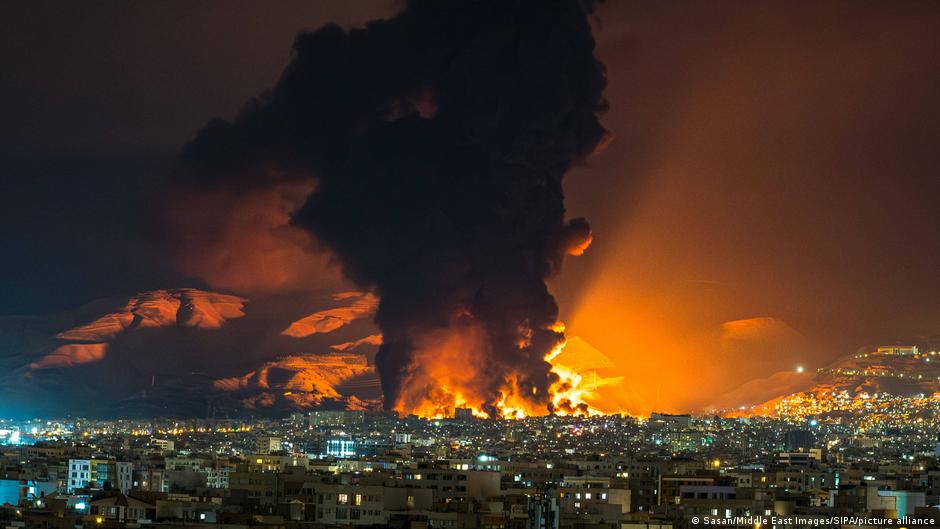
The United States Armed Forces have initiated a new wave of military strikes against Iran, aiming to curtail Tehran's ability to disrupt shipping in the strategic Strait of Hormuz. The order for these attacks was reportedly issued directly by President Donald Trump on the evening of July 8.
The US Central Command (CENTCOM) announced that these strikes target key Iranian military assets, including air defense systems, command and control networks, coastal radar installations, anti-ship missile defenses, and over 60 vessels belonging to the Islamic Revolutionary Guard Corps (IRGC). This follows an earlier operation where more than 80 Iranian targets were hit, justified by alleged Iranian attacks on commercial vessels passing through the Strait.
Simultaneously, the US government reinstated sanctions on Iranian oil exports that had been lifted just over two weeks prior, signaling a coordinated use of military and economic tools to pressure Tehran.
Global Economic and Geopolitical Implications
The Strait of Hormuz is a critical chokepoint, accounting for approximately 20% of global petroleum consumption passing through its narrow waters. Any sustained disruption poses severe risks to global energy markets and economic stability.
"The demonstrated aggression by Iran is unjustified, dangerous, and a clear violation of the ceasefire regime," stated CENTCOM in justification of the strikes.
Iran condemned the US attacks, accusing Washington of violating a memorandum on freedom of navigation through the Strait. Iranian Foreign Ministry spokesperson Esmail Baghaei asserted that the unilateral American actions undermine sovereignty and breach prior agreements.
In response, Iran’s leadership declared countermeasures, including missile strikes attributed to the IRGC on US military installations in Kuwait and Bahrain. These retaliatory actions heighten the risk of a broader regional conflict, potentially disrupting supply routes beyond the Strait itself.
Recent incidents included damage to three commercial vessels: a drone strike lightly damaged one tanker, while a Qatari liquefied gas tanker suffered significant damage from an unknown projectile, illustrating the ongoing hazard to maritime commerce.
Diplomatic efforts remain stalled. Since the signing of the previous memorandum, no progress has been reported on critical issues such as Iran’s nuclear program, US troop withdrawals from neighboring countries, or transit fee arrangements for vessels navigating the Strait. Tehran has yet to authorize comprehensive mine-clearing operations, restricting maritime traffic to limited channels and reducing shipping volumes to less than half of pre-conflict levels.
President Trump, addressing the NATO summit, declared the ceasefire effectively over, dismissing further engagement with Iranian officials as futile, though he left the door open for negotiators to continue dialogue if they choose.
The escalation signals a significant shift in US-Iran relations, with long-term implications for global energy security, international maritime law, and regional geopolitical stability. Decision-makers worldwide must monitor these developments closely, as disruptions to the Strait of Hormuz could trigger price shocks and supply chain instability affecting the global economy.