Iran's IRGC Mines Oil Tanker Near Strait of Hormuz, Escalating Regional Maritime Tensions
Iran vows to block unapproved transit through Strait of Hormuz, impacting global oil shipping and economic security.
Strategic Maritime Security and Economic Implications of Strait of Hormuz Incident
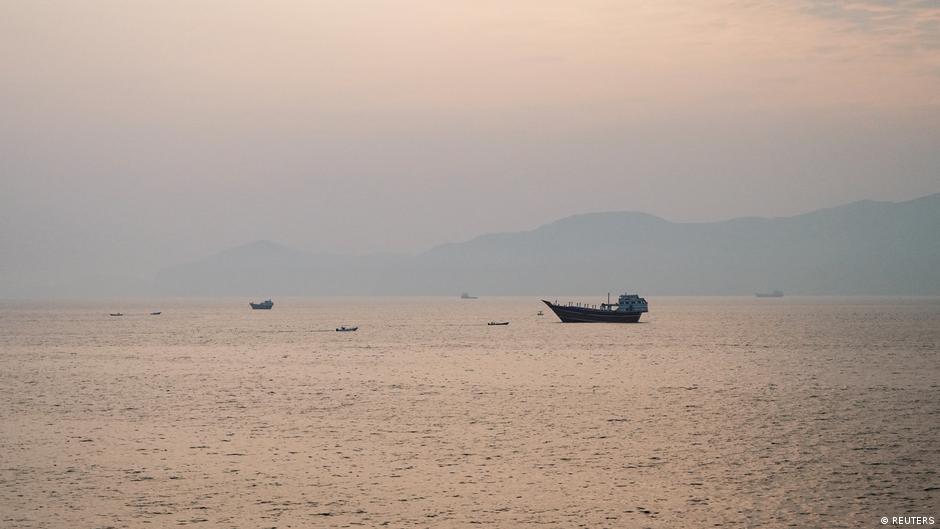
The Iranian Islamic Revolutionary Guard Corps (IRGC) has claimed responsibility for mining an oil tanker near the Strait of Hormuz, signaling a sharp escalation in maritime security tensions in one of the world's most critical oil transit chokepoints. According to reports, the tanker detonated a mine laid by the IRGC after attempting passage without Iran’s authorization. This incident highlights the fragile security environment of the Strait of Hormuz and carries significant implications for global energy markets and international maritime policy.
The IRGC's public statement details that three oil tankers, influenced by the presence of the U.S. military, tried to navigate a mine-laden route south of the Strait of Hormuz. One tanker exploded and caught fire, forcing two others to abort their transit and retreat. The IRGC has declared its intent to continue blocking the Strait for any vessels attempting unapproved passage, framing it as a response to continued U.S. military actions in the region.
"The IRGC naval forces will maintain a blockade of the Strait of Hormuz as long as the U.S. continues its aggressive posture," the IRGC declared.
In parallel developments, the Financial Times reports the likely seizure of the Greek-owned tanker Kavomaleas, linked to shipping magnate Georgios Prokopiou. Satellite images depict the vessel, damaged by shelling on July 19, being towed into Iranian waters near Larak Island. The tanker reportedly suffered two hits to the engine room, igniting a fire that forced crew evacuation. Satellite observations on July 21 showed smoke emanating from the ship, corroborating the attack and subsequent towing.
This tanker was en route from Oman through the Persian Gulf and was scheduled to load over 500,000 barrels of crude, highlighting the economic stakes. The presence of an oil slick trailing the damaged tanker underscores the environmental risks accompanying such maritime conflicts.
The shipping company Dynacom, owner of Kavomaleas, has denied authorizing any movements of the vessel and is actively investigating its whereabouts. This incident marks the third vessel seizure by Iran since hostilities escalated, with over 45 ships targeted in the ongoing conflict involving U.S., Israeli, and Iranian forces.
Global Economic and Policy Implications
The continual targeting of vessels in the Strait of Hormuz poses a severe threat to the stability of global oil supply chains. Roughly 20% of the world’s petroleum passes through this narrow passage, making disruptions here a catalyst for volatile oil prices and supply uncertainties worldwide. The IRGC's vow to block unapproved maritime traffic introduces a heightened risk premium for maritime insurance and shipping costs, potentially catalyzing inflationary pressures across energy-dependent economies.
Moreover, these developments complicate diplomatic efforts and regional security dialogue. The strategic calculus for Western and Gulf states must now incorporate Iran’s demonstrated capability and willingness to enforce maritime control aggressively. This raises questions regarding freedom of navigation, international maritime law, and the potential need for enhanced naval escorts or alternative trade routes.
From a policy perspective, the incident underscores the urgency for multilateral engagement to mitigate escalation and preserve the Strait of Hormuz as a secure corridor for global commerce. Senior decision-makers must weigh the long-term economic consequences of sustained conflict in this region against the geopolitical objectives pursued by involved actors.
In conclusion, Iran’s mining and seizure of commercial vessels near the Strait of Hormuz represent an alarming development with far-reaching implications for global energy security, maritime law, and international relations. The incident serves as a critical reminder of the interconnectedness of regional conflicts and the global economy.