U.S. Says Five Iranian Oil Tankers Destroyed as Gulf Risks Escalate
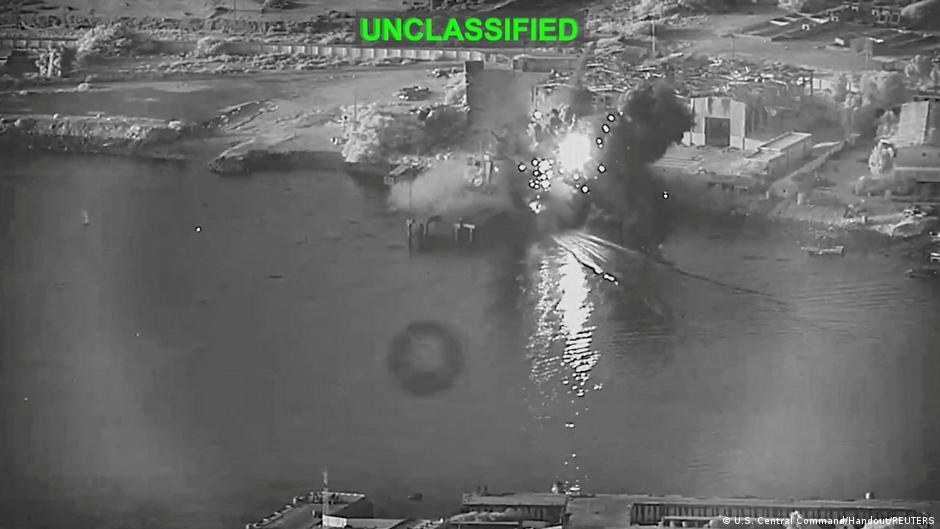
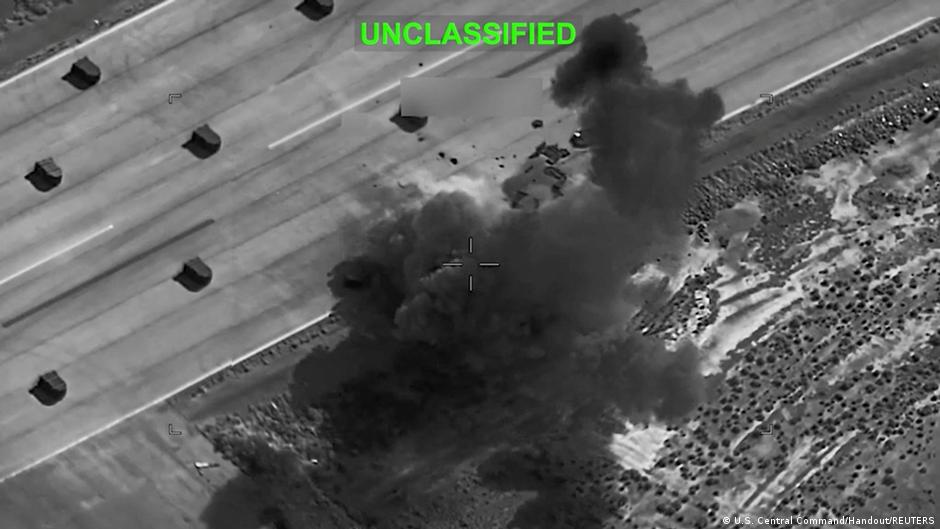
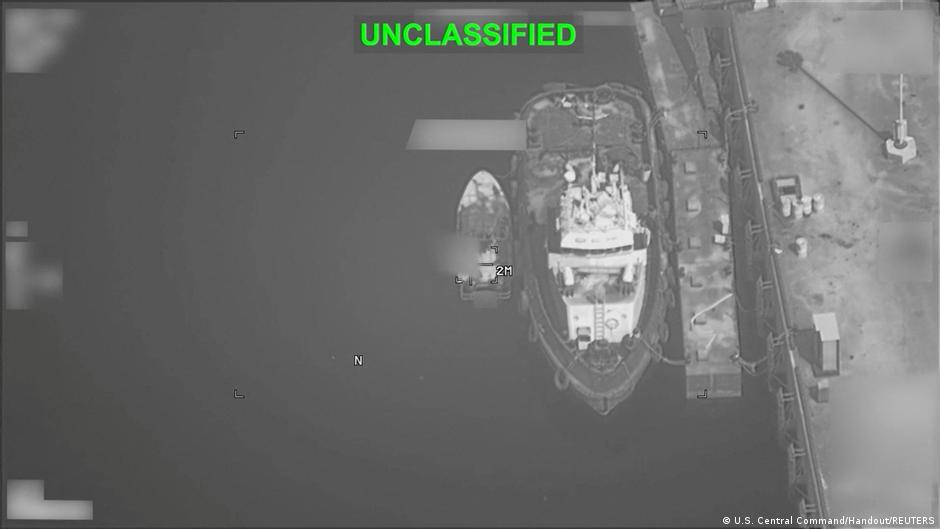
CENTCOM said it destroyed five Iranian oil tankers after IRGC missile attacks, deepening risks around Gulf shipping and oil markets.

CENTCOM said it destroyed five Iranian oil tankers after IRGC missile attacks, deepening risks around Gulf shipping and oil markets.

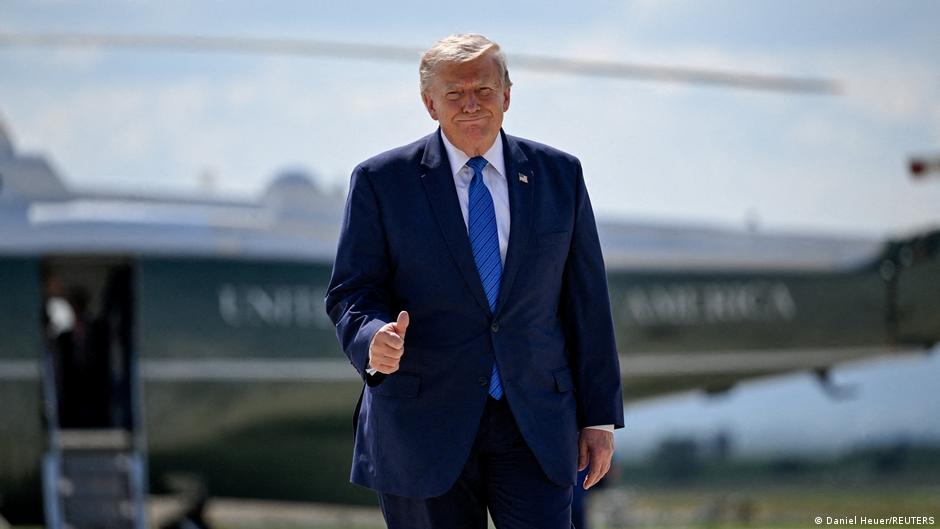
President Trump announced new talks with Iran starting August 3, delaying further military strikes and signaling a potential shift toward diplomacy amidst Middle East tensions.

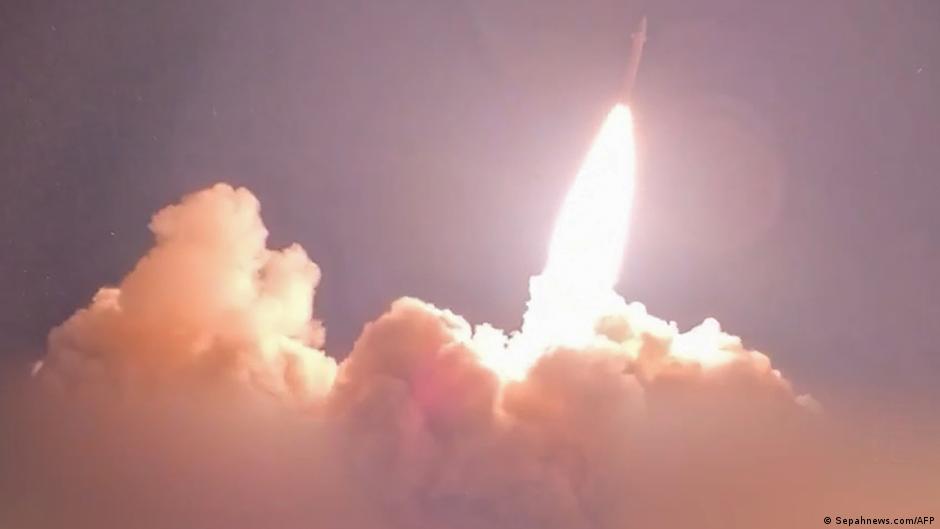
US forces intercepted Iranian ballistic missiles targeting American troops in the Middle East, underscoring rising regional tensions and global economic risks linked to energy supply security.

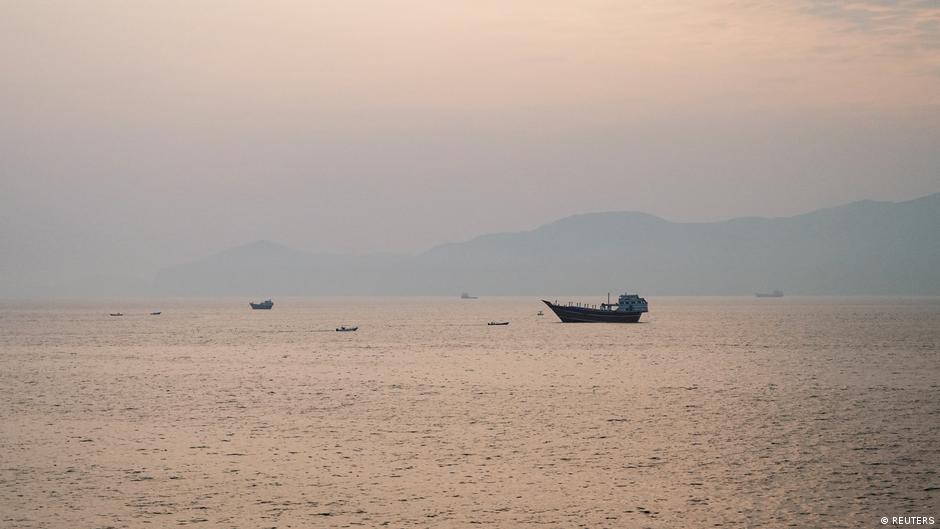
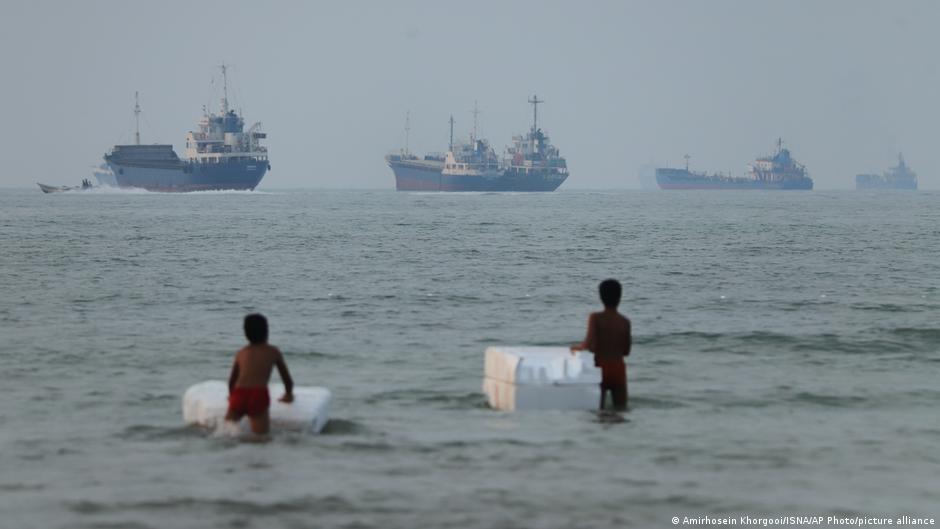
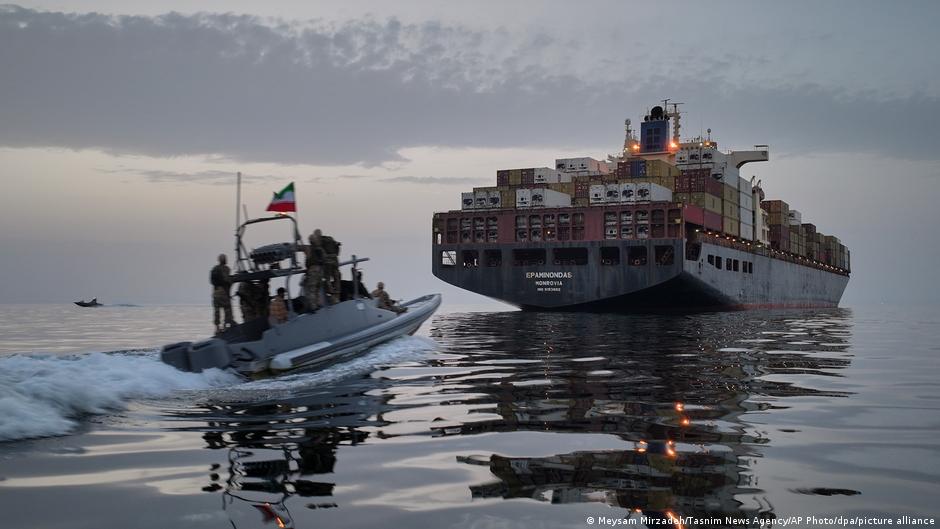
Iran’s IRGC mined an oil tanker near the Strait of Hormuz, escalating maritime tensions and threatening global oil supply chains in a critical transit corridor.

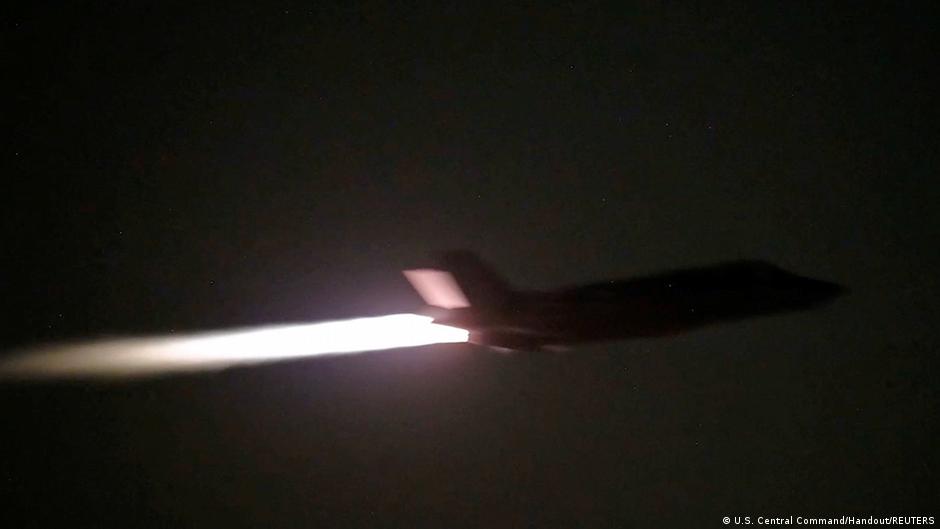
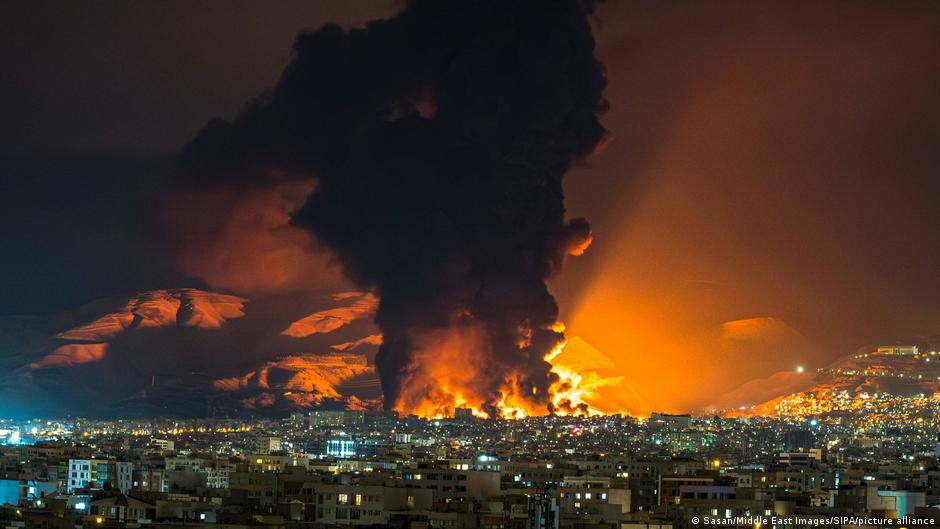
The US has conducted 11 consecutive nights of strikes against Iranian military targets, escalating tensions in the Gulf and threatening key global energy routes.

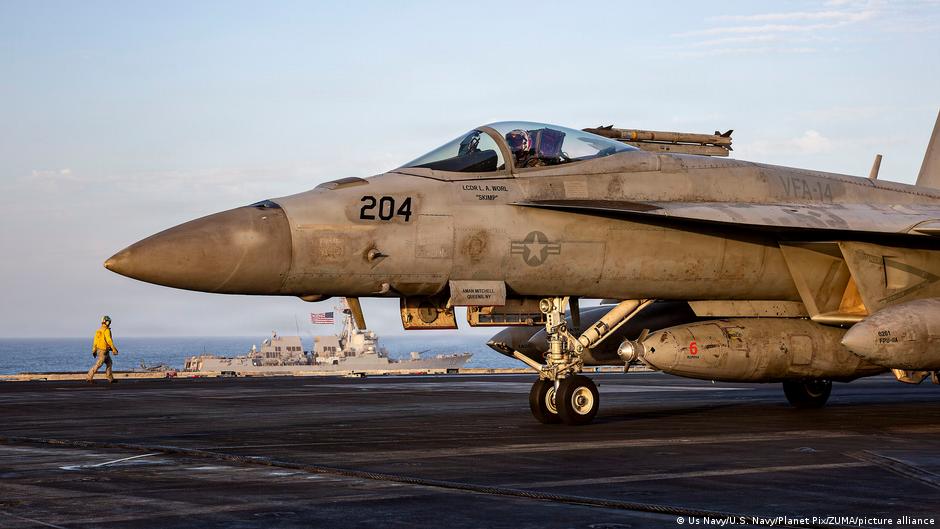
US military casualties in the Iran conflict have risen to 17, accompanied by increased US military deployments and retaliatory strikes, impacting global economic and security dynamics.

US military strikes in Iran continue for the ninth night, escalating tensions in the Strait of Hormuz and impacting global energy supply routes.

US strikes on Iranian infrastructure escalate tensions, risking broader regional instability and disruptions to global energy markets critical to economic stability.

The US has launched new strikes against Iran to secure the strategic Strait of Hormuz, a critical route for global oil trade, amid escalating military tensions and attacks on civilian vessels.

US military strikes on Iran escalate after attacks in the Strait of Hormuz, closing this key oil export route and raising global economic risks.

The US has launched new military strikes against Iran to prevent shipping disruptions in the Strait of Hormuz, intensifying regional tensions and threatening global energy security.

US military strikes on Iran follow attacks on tankers near the Strait of Hormuz, escalating Gulf tensions with significant implications for global energy security and maritime trade.

US forces struck Iranian military sites following attacks on commercial vessels in the Strait of Hormuz, heightening geopolitical risks to global energy supply and economic stability.

US and Iran exchanged military strikes after Iran attacked a commercial vessel in the Strait of Hormuz, escalating tensions that threaten global oil supply chains and economic stability.

Twenty-two countries, including the US and European states, jointly condemn Iran for orchestrating attacks on their territories against dissidents and Jewish communities.

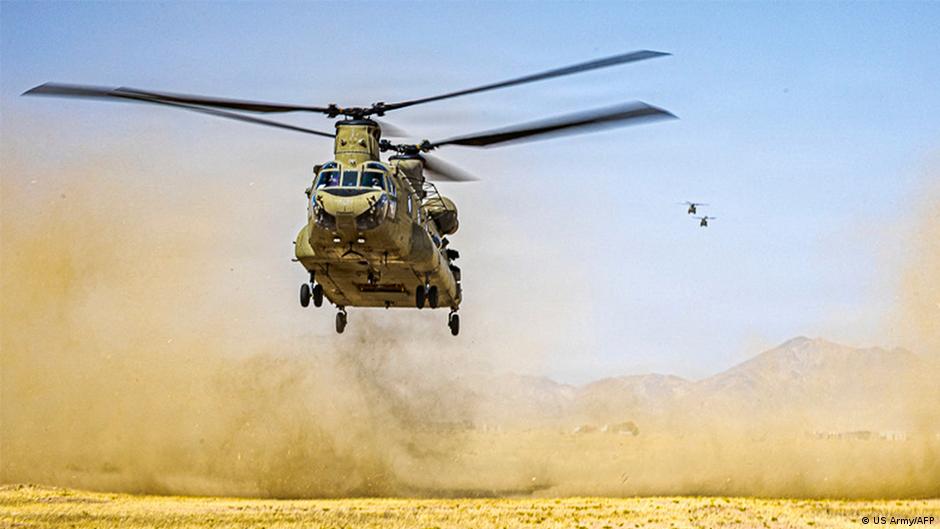
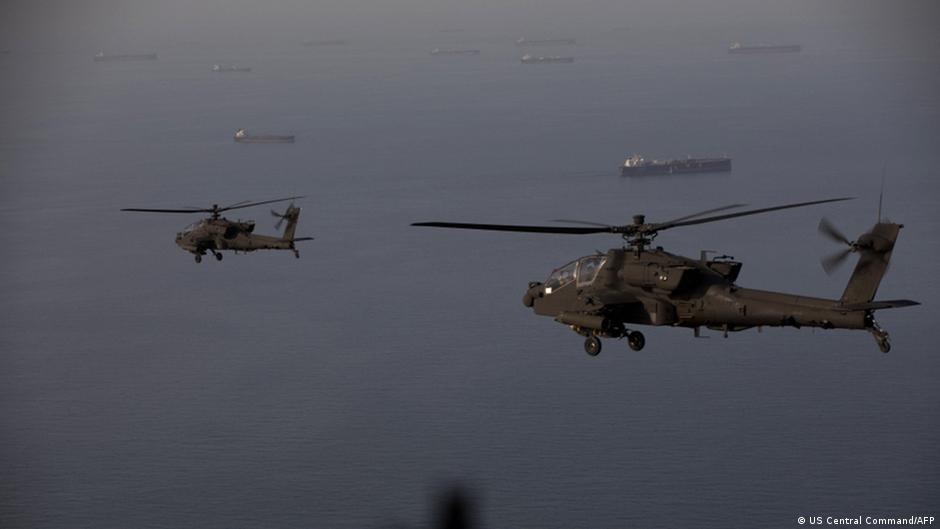
US forces struck Iranian air defense sites after Tehran downed a US Apache helicopter near the Strait of Hormuz, escalating tensions with significant global economic implications.

US forces intercepted Iranian kamikaze drones threatening maritime routes in the Strait of Hormuz and struck radar installations to prevent further attacks amid rising Gulf tensions.

Iran mandates comprehensive vessel disclosures for Strait of Hormuz passage amid US military operations, raising concerns over global energy security and maritime policy shifts.