US Military Death Toll in Conflict with Iran Rises to 17 Amid Escalating Regional Tensions
The death of a US soldier during a controlled explosives operation in Iraq marks a significant escalation in the ongoing US-Iran conflict.
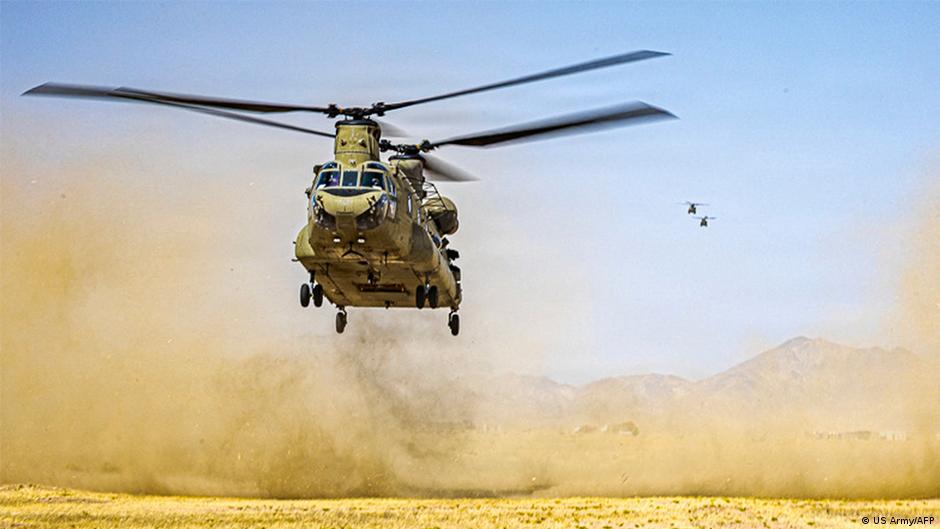
The United States has confirmed the death of a 17th American service member amid its ongoing conflict with Iran. The soldier died on July 18 during a controlled demolition of unexploded Iranian munitions in northern Iraq, according to the US Central Command (CENTCOM).
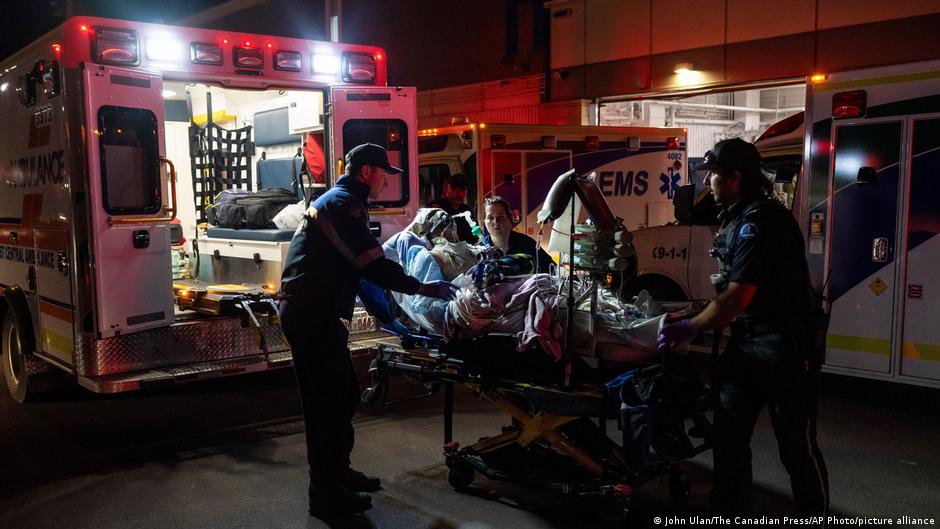
Alongside the fatality, another service member sustained minor injuries and continues to receive medical treatment. This update follows earlier reports that two US soldiers were killed on July 17 in an Iranian missile attack on a US airbase in Jordan, with a third soldier initially reported missing.
Following thorough recovery efforts at the incident site, CENTCOM announced the discovery of unidentified remains, which media sources suggest likely belong to the missing US soldier from the Jordan attack.
US Military Retaliation and Strategic Posturing
On July 18, the US conducted retaliatory strikes against Iranian targets. CENTCOM stated the operations aimed to "punish" the Islamic Revolutionary Guard Corps (IRGC) in response to Iranian attacks that resulted in American casualties and to degrade Iran's capacity to threaten commercial shipping through the strategically vital Strait of Hormuz.
"The US strikes seek to uphold regional security and deny Iran the capability to disrupt critical maritime trade routes," CENTCOM emphasized.
Iran responded by launching attacks on two US military bases in Kuwait, further intensifying the conflict in the region.
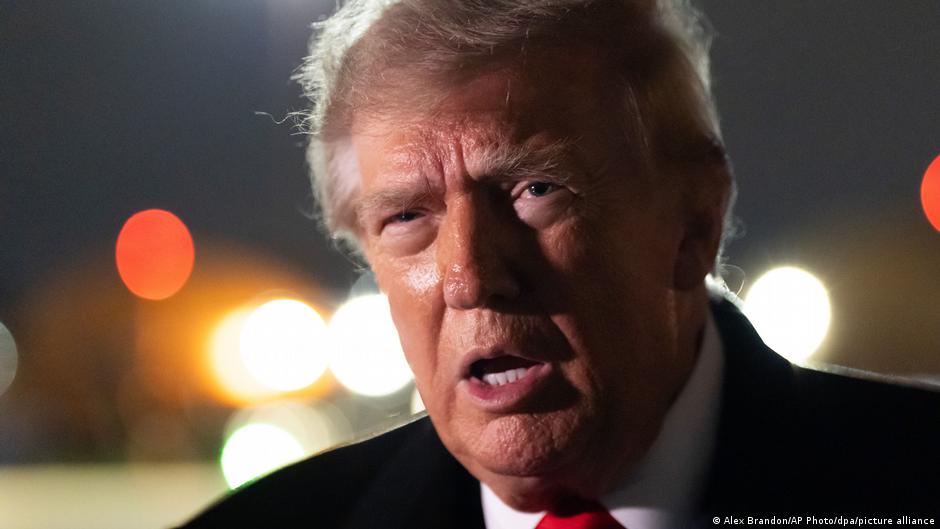
US President Donald Trump described the deaths as a "sad event" in a July 18 phone interview but reaffirmed that the administration's primary objective remains unchanged: "to never allow Iran to acquire nuclear weapons." This steadfast policy underlines the broader strategic contest between the two nations.
Military Reinforcements Signal Long-Term Commitment
In light of the escalating violence, US military deployments in the Middle East are increasing. Reports from The Wall Street Journal and The New York Times indicate that additional combat aircraft, including F-16 fighters from Spangdahlem Air Base in Germany and F-35 fighters from RAF Lakenheath in the United Kingdom, are being dispatched to the region. Tanker aircraft are also en route to support sustained air operations.
These force augmentations reflect a calculated US effort to strengthen its military posture amid a volatile geopolitical landscape, signaling a readiness for prolonged engagement if necessary.
Global Economic and Policy Implications
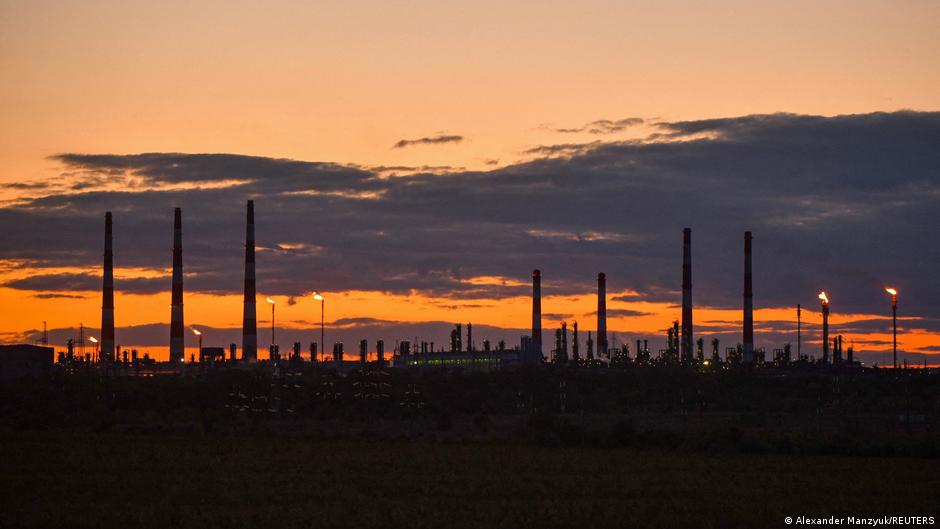
The intensification of hostilities between the US and Iran carries significant macroeconomic consequences. The Strait of Hormuz is a critical chokepoint through which approximately 20% of the world’s petroleum passes. Any disruption caused by military conflict threatens global oil supply stability, potentially leading to sharp increases in crude prices and broader inflationary pressures worldwide.
Additionally, renewed US military commitments could prompt shifts in defense spending and resource allocation that resonate through international markets. Policymakers and economic leaders should closely monitor developments as they pose risks to global trade, energy security, and economic growth trajectories.
As tensions persist, the balance between deterrence and escalation will be critical in shaping long-term regional stability and the global economic outlook.