US Strikes Iran for Ninth Consecutive Night Amid Rising Middle East Tensions
Continued military actions between the US and Iran escalate regional instability with potential global economic repercussions.
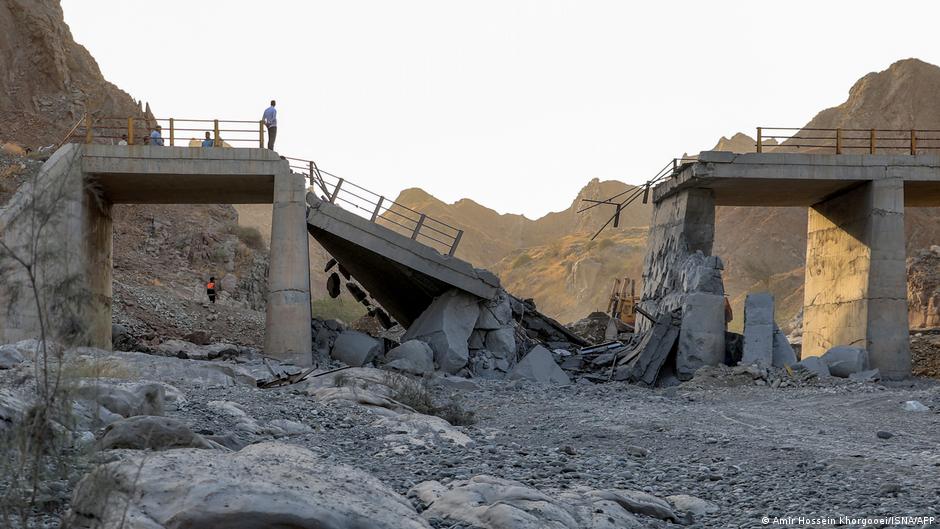
For the ninth consecutive night, the United States military launched strikes targeting locations in Iran, marking a significant escalation in the deteriorating security situation in the Middle East. According to the US Central Command (CENTCOM), the latest attacks commenced at 2:30 a.m. local Iranian time on July 20. The stated goal of these operations is to further degrade Iran's military capabilities, which the US alleges are being employed to attack commercial vessels and civilian sailors in the strategically critical Strait of Hormuz.
In retaliation, Iran has targeted American military bases located in Kuwait and Bahrain, intensifying the tit-for-tat confrontations between the two nations. The Islamic Revolutionary Guard Corps (IRGC) has also reportedly detained two oil tankers in the Strait of Hormuz area, accused of illegally entering or exiting via southern routes. According to official Iranian sources, the vessels subsequently exploded, underscoring the volatile nature of the maritime domain in this region.
Implications for Global Energy Markets and Regional Stability
The Strait of Hormuz remains one of the world’s most critical chokepoints for global oil and liquefied natural gas (LNG) shipments. Recent military escalations have resulted in a marked decline in maritime traffic through the strait. London Stock Exchange data indicates that only four vessels transited the strait on July 19, compared to eight on the previous day, reflecting heightened caution amid rising tensions.
"The increased military activity around the Strait of Hormuz is disrupting one of the world’s key energy transit routes, raising concerns over global supply stability," analysts warn.
Despite these disruptions, production of LNG in Gulf countries such as Qatar and the United Arab Emirates has remained relatively stable, according to data from S&P Global. However, this stability has led to an accumulation of LNG cargoes on tankers anchored in the Persian Gulf, awaiting safe passage through the strait. Estimates suggest there are currently LNG carriers holding nearly 1.9 million tons of gas in the region, highlighting the growing logistical challenges posed by the conflict.
The ongoing hostilities are imposing broader geopolitical and economic consequences. The US military has reported the deaths of three additional service members since the recent escalation, bringing total US fatalities in the conflict to 17. US President Donald Trump described the strikes as a response to the loss of American personnel, emphasizing the administration's commitment to military action.
The continuation of hostilities poses significant risks for global energy markets, investor confidence, and regional stability. Prolonged instability in the Middle East could lead to sustained volatility in oil prices, disrupt supply chains, and compel policymakers worldwide to reconsider energy security strategies and geopolitical alliances.
As the situation evolves, senior decision-makers must monitor these developments closely to assess the potential long-term economic impacts and adapt policy frameworks accordingly.