US Military Strikes Iran to Secure Strait of Hormuz Amid Rising Regional Tensions
US launches new strikes targeting Iran’s military capabilities to prevent attacks on civilian shipping in the strategic Strait of Hormuz.
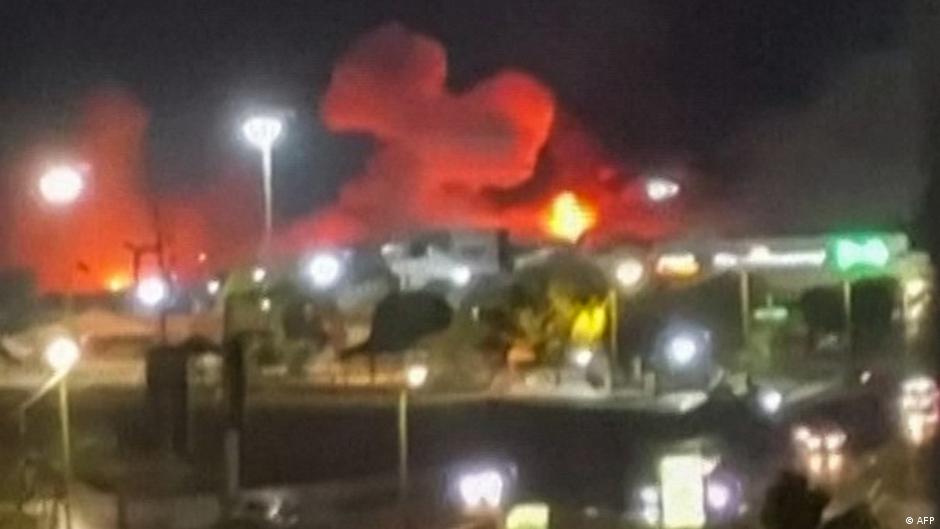
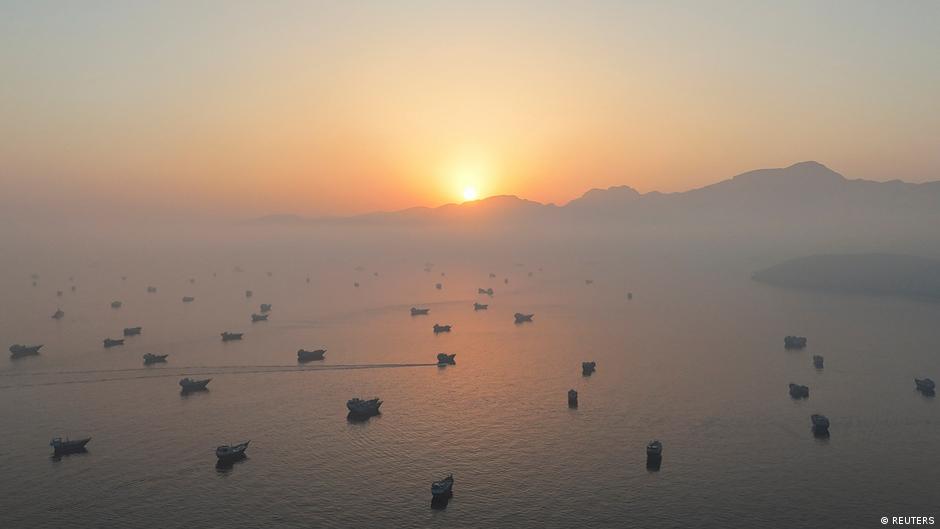
The United States military has conducted new strikes against Iranian targets aimed at curbing Tehran's ability to attack civilian vessels transiting the Strait of Hormuz, a crucial chokepoint for global oil trade. The escalation follows reciprocal attacks by Iran on Gulf states after US strikes.
Strategic Importance of the Strait and Recent Escalations
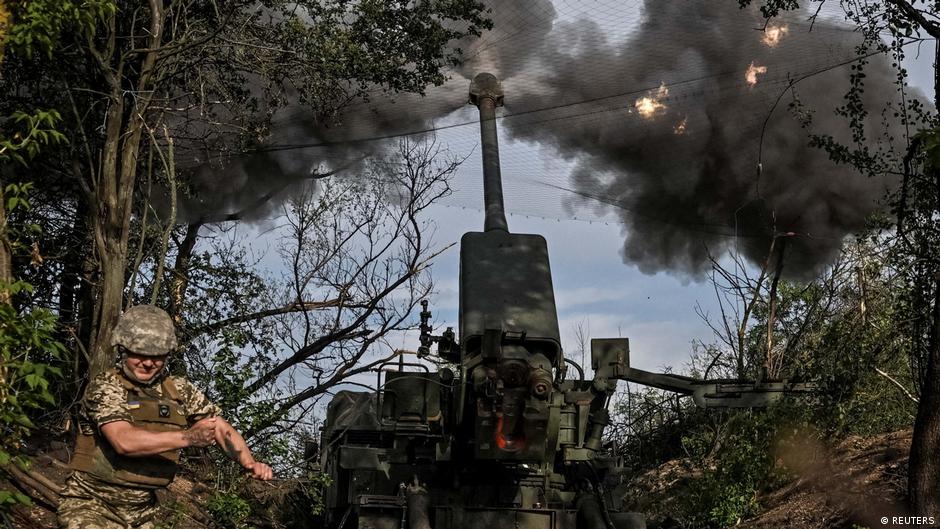
On the night of July 13, the US Central Command (CENTCOM) announced a fresh wave of airstrikes against Iran, emphasizing the goal of undermining Iran's capability to threaten commercial and civilian maritime traffic passing freely through the Strait of Hormuz. CENTCOM stated these actions were authorized by the US Commander-in-Chief as a measure to deter the Iranian regime.
Iranian state media reported explosions near key locations such as the port of Bandar Abbas, the city of Sirik, Qeshm Island, and the city of Jask along the strait. Pro-government news outlets confirmed casualties, including one fatality and two wounded on Qeshm Island.
Iran's Islamic Revolutionary Guard Corps (IRGC) declared the Strait "closed until further notice and until the end of US interventions in the region." However, US military officials denied that Iran controls the strait, confirming that maritime traffic remains uninterrupted. This position was echoed by then-President Donald Trump on July 12.
"Iran does not control the strait. Shipping continues," said CENTCOM in response to Iranian claims of closure.
The US strikes on July 12 targeted approximately 140 Iranian military sites, including missile and drone storage facilities and communication hubs, in retaliation for an IRGC assault on the container ship GFS Galaxy in the strait. Iran characterized its attack as "warning shots" against a vessel allegedly off its approved route.
Following the US strikes, Iran retaliated with attacks on US military assets in Gulf countries including the Al-Udeid Air Base in Qatar and the port of Duqm in Oman, reportedly used by US aircraft carriers. On the same day, Iran also disabled a second vessel in the Strait.
Geopolitical and Economic Implications
Since June 17, when the US and Iran signed a framework agreement to cease hostilities and reopen the strategic waterway, tensions have deteriorated sharply. Iran's repeated attacks on civilian vessels since late June and the US military’s retaliatory strikes have undermined the fragile truce, with both sides accusing each other of violations.
The Strait of Hormuz remains vital, as roughly 20% of the world's traded oil passes through it. Any disruption threatens to exacerbate global energy market volatility and increase oil prices, impacting the global economy. The recent escalations risk impairing international energy security and destabilizing an already volatile region.
At the NATO summit in Ankara on July 8, President Trump declared the memorandum of understanding with Iran null and void, labeling Iranian leaders as "evil, sick people" and signaling a hardening US stance. The US simultaneously reimposed oil sanctions on Iran, further straining relations.
Despite backchannel talks, including Iranian officials admitting to "errors" by rogue elements causing attacks, negotiations on managing the Strait’s security concluded without breakthrough. The ongoing conflict highlights the challenges of navigating regional power struggles with significant consequences for global trade and energy supplies.
For senior policymakers and economic planners, these developments underscore the fragility of energy transit routes amid geopolitical conflicts. The risk of further escalation and supply disruptions necessitates strategic contingency planning to mitigate potential shocks to global markets.