EU Considers Withholding €2 Million Funding from Venice Biennale Over Russian Participation
European Commission recommends cutting subsidies due to Russia’s involvement, citing conflicts with EU democratic values and sanctions.
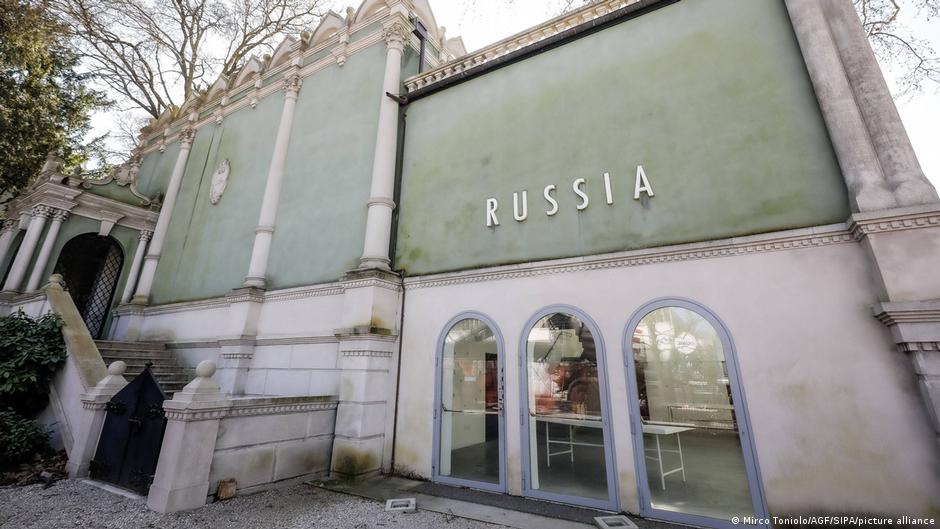
The European Commission has formally recommended the European Education and Culture Executive Agency (EACEA) withdraw €2 million in funding from the Venice Biennale, following the event's decision to allow Russia to participate despite ongoing geopolitical tensions.
The recommendation came after a thorough evaluation of the organizers’ justification for reopening the Russian pavilion at the prestigious cultural forum. Henna Virkkunen, Executive Vice-President of the European Commission for Technology Sovereignty, Security, and Democracy, emphasized that cultural events funded by European taxpayers must uphold and protect democratic values—values she asserted are not respected in contemporary Russia.
Geopolitical Ramifications and Policy Implications
Russia’s participation in the 2026 Venice Biennale marks its first appearance since launching its full-scale invasion of Ukraine. This move has been sharply criticized by both Brussels and Kyiv, highlighting the broader tensions between cultural engagement and political sanctions within the EU framework.
The Russian pavilion’s presence has incited protests, including actions by activist groups such as Femen and Pussy Riot, underscoring the controversial nature of Russia’s cultural diplomacy amid conflict.
"Culture in Europe—funded by taxpayers—must help strengthen and protect democratic values. In modern Russia, these values are not respected," stated Henna Virkkunen.
European External Action Service Chief Josep Borrell voiced concerns in April, stating that the EU intends to reduce funding to the Venice Biennale due to Russia's return. Earlier warnings from the European Commission to the Italian government and Biennale organizers identified Russia’s participation as a violation of EU sanctions. The Commission highlighted that the Russian pavilion is government-backed, implying that funding indirectly supports the Kremlin’s economic interests.
Pietrangelo Buttafuoco, President of the Venice Biennale, defended the decision to maintain Russia’s participation by citing a commitment to freedom of expression, illustrating the tension between cultural openness and political accountability.
The Commission’s move represents a broader challenge for the EU in balancing cultural diplomacy against the enforcement of sanctions and democratic principles. With escalating geopolitical conflicts influencing cultural and economic policies, this case exemplifies how cultural institutions become arenas for political contestation and policy signaling.
Long-term, this development could signal a shift in EU funding strategies for international cultural events, prioritizing alignment with foreign policy objectives and democratic values over traditional cultural engagement paradigms.