Russian Drone Strikes on Kharkiv Highlight Escalating Conflict and Economic Risks
Drone attacks on Kharkiv and strikes on Ukrainian industrial sites underscore mounting pressures on Ukraine’s economy and regional stability.
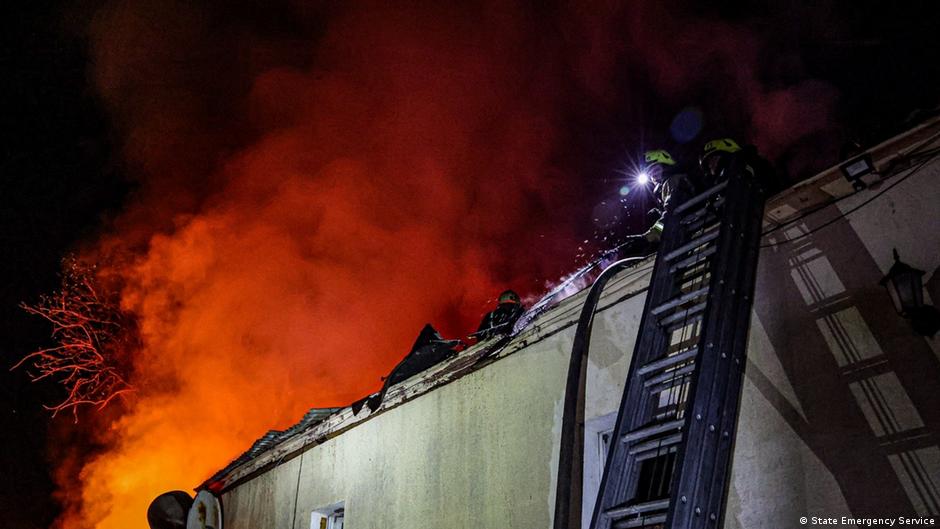
Overnight on July 12, Russian forces launched drone attacks across multiple districts of Kharkiv, resulting in damage to more than 20 residential buildings and several casualties. The attacks reflect a significant escalation in Russia’s military operations, with potential long-term implications for Ukraine’s urban infrastructure, civilian safety, and economic resilience.
According to regional administration reports, the strikes targeted Kharkiv's Shevchenkivskyi, Kyivskyi, and Saltivskyi districts. In the Shevchenkivskyi area alone, two individuals were injured, including a 16-year-old girl, while three people sought medical assistance overall. Additionally, a garage cooperative was set ablaze in the Kyivskyi district.
Beyond Kharkiv, Russian forces also hit a food processing enterprise in the city of Dnipro, although no casualties have been reported there. The choice of industrial targets signals a strategic attempt to disrupt Ukraine’s supply chains and food production capabilities, with potential ripple effects on both domestic markets and international food security.
Escalating Missile and Drone Campaigns
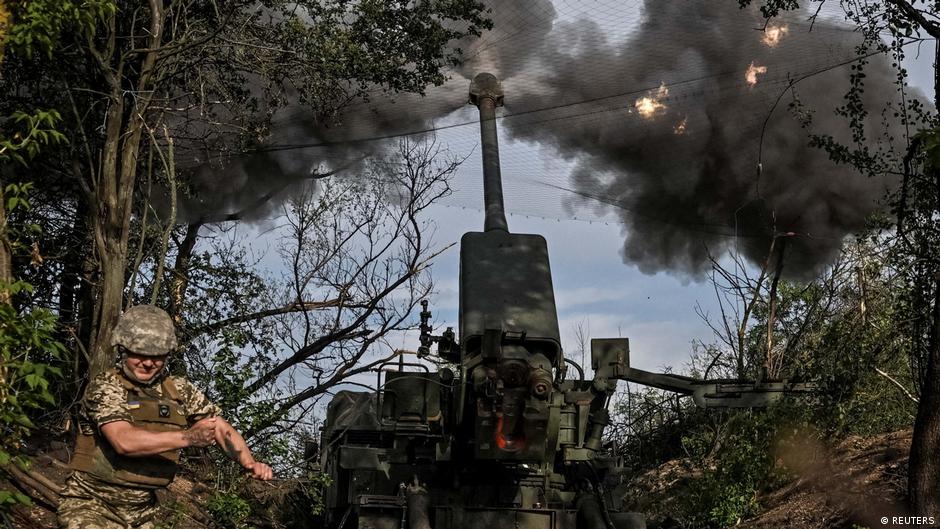
Ukrainian Air Forces reported multiple drone launches and guided aviation bomb attacks aimed at several regions, including Sumy, Zaporizhzhia, Donetsk, Poltava, and Odesa. The previous night, Russian forces deployed a complex missile barrage comprising six Iskander-M and S-400 ballistic missiles, four Kh-59/69 cruise missiles, two Kh-31 anti-radar missiles, and 121 drones.
Kiev endured significant damage with 12 casualties, while Kharkiv’s civilian enterprise was also hit, injuring several people. On July 11, Odesa suffered a missile strike resulting in two fatalities, and a separate bombing in Sumy killed five and injured 30. Zaporizhzhia faced attacks from guided aviation bombs, wounding four individuals.
"The attacks on civilian infrastructure and industrial targets represent a deliberate strategy to weaken Ukraine's economic backbone," said an expert on Eastern European security. "Such patterns not only inflict immediate humanitarian harm but also jeopardize long-term economic recovery and regional stability."
The cumulative effect of these strikes is exacerbating existing supply chain disruptions, damaging critical infrastructure, and heightening uncertainty among investors and policymakers. The intensified use of drones and precision missiles marks a shift toward sustained pressure tactics designed to erode Ukraine’s economic resilience and territorial integrity.
For senior decision-makers, these developments underscore the urgency of reevaluating economic support frameworks, contingency planning for supply chain diversification, and diplomatic engagement aimed at conflict de-escalation. The increasing frequency and sophistication of attacks on urban and industrial centers could further destabilize Ukraine’s economy and complicate post-conflict reconstruction efforts.