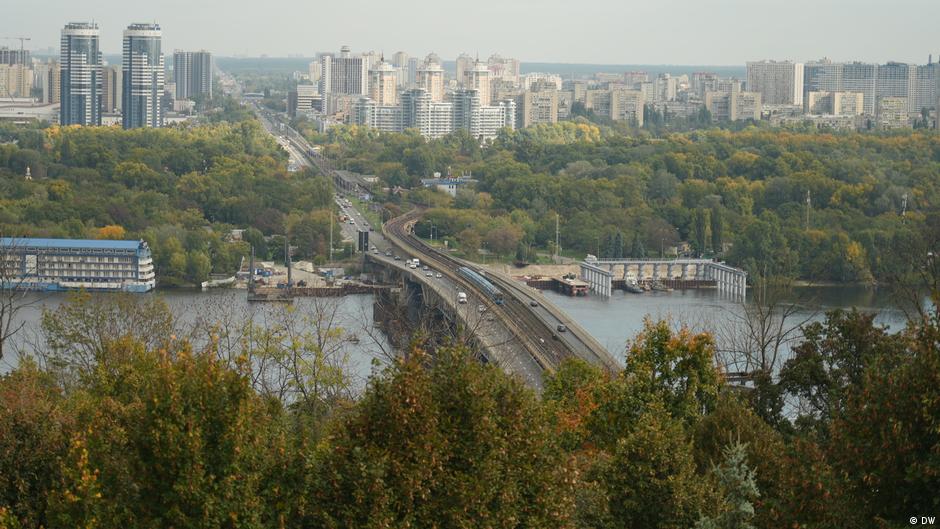
Russia’s Ballistic Missile Strikes on Kyiv Escalate Civilian Toll Amid Intensifying Ukraine Conflict
Recent missile attacks on Kyiv highlight worsening civilian casualties and signal potential shifts in strategic escalation with broad economic implications.
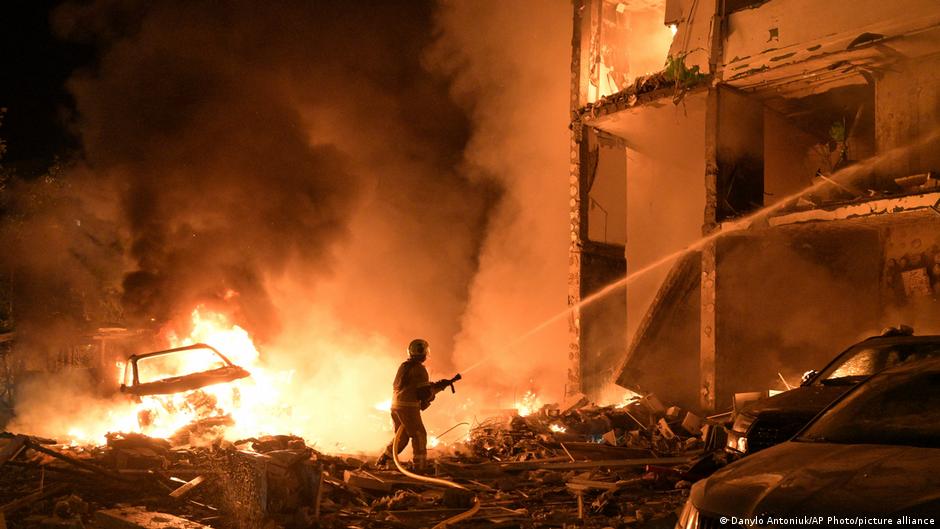
In the early hours of July 10, Kyiv experienced a devastating series of ballistic missile strikes attributed to Russian forces, resulting in at least six civilian injuries. The attacks, which occurred without prior air raid warnings, underscore a marked intensification in hostilities that continue to drive severe humanitarian and economic consequences in Ukraine and beyond.
Escalation of Military Strikes and Civilian Impact
According to local authorities, the missile barrage began around 03:38 local time, catching residents off guard as air raid sirens activated only minutes later. Key infrastructure suffered significant damage, including fires at a transformer substation in the Darnytskyi district and an office building in the Solomianskyi district. Additional strikes hit non-residential buildings in the Sviatoshynskyi and Dniprovskiy districts, igniting further fires and disruptions.
"The attacks have not only caused immediate harm but also continue to exacerbate the already fragile energy infrastructure, further destabilizing the city’s functionality," a local official noted.
Mayor Vitali Klitschko reported that three of the injured received on-site medical aid while the remainder required hospitalization. These incidents compound a troubling pattern observed over recent months, as May and June of 2026 recorded the highest civilian death tolls since the full-scale invasion began.
Broader Humanitarian and Economic Ramifications
The United Nations has documented an alarming increase in civilian casualties, attributing over 500 deaths across May and June alone, with injuries exceeding 1,800 during the same period. Preliminary data for July indicates a continuation of this trend, with at least 93 civilian fatalities reported within the first week. Historically, casualty rates rise during spring and summer months, yet the 2026 figures are notably elevated.
This surge in violence accompanies intensified Ukrainian drone attacks targeting Russian oil refineries, which Kyiv frames as "long-range sanctions" aimed at undermining Russia’s fuel supplies. President Volodymyr Zelensky emphasized that these strikes have contributed to a gasoline crisis within Russia, influencing internal political dynamics and potentially fostering dissent within President Putin’s circle.
"We have presented proposals to bring peace, supported not only by global partners but also by voices within Putin’s environment," Zelensky stated in a July 10 address. He also announced the establishment of a dedicated command within the Ukrainian Armed Forces to oversee continued strategic strikes against Russian energy infrastructure.
Implications for Global Economic Stability and Policy
The escalating conflict poses significant challenges for global energy markets, particularly as attacks target critical Russian refining capabilities. Disruptions risk exacerbating already volatile fuel prices, impacting supply chains and inflation globally. Moreover, the continued destruction of Ukrainian urban infrastructure undermines regional economic recovery prospects, potentially prolonging instability in Eastern Europe.
Meanwhile, Kremlin sources indicate no shift towards de-escalation, with reports suggesting President Putin remains committed to a full capture of the Donbass region. Analysts warn this uncompromising stance could precipitate further military escalation, complicating diplomatic resolutions and prolonging the economic fallout.
Senior policy makers worldwide must consider the ramifications of sustained conflict on energy security, humanitarian aid logistics, and geopolitical alliances, recognizing that the long-term economic consequences extend well beyond the immediate warzone.