US Military Strikes Iran Again Amid Strait of Hormuz Closure, Heightening Global Oil Market Risks
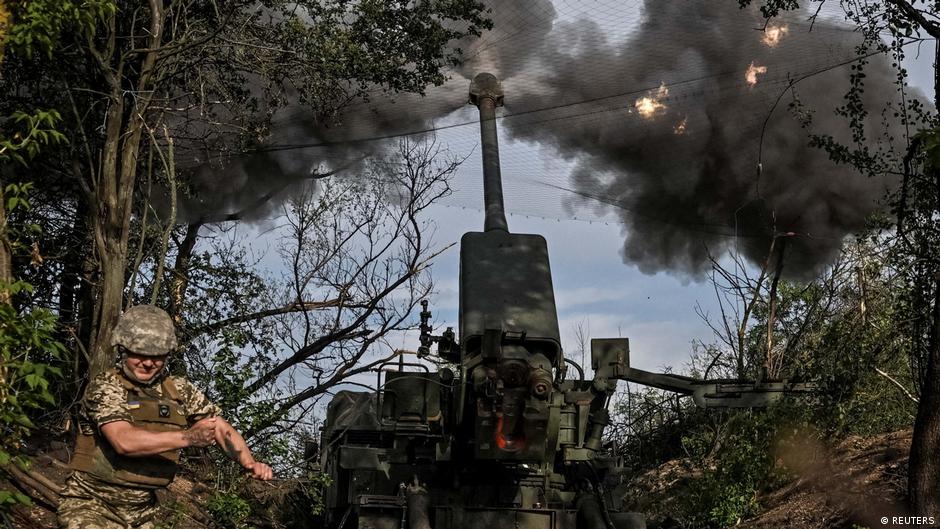
US forces launched a third wave of strikes on Iran following attacks in the Strait of Hormuz, leading to closure of this strategic oil export corridor.
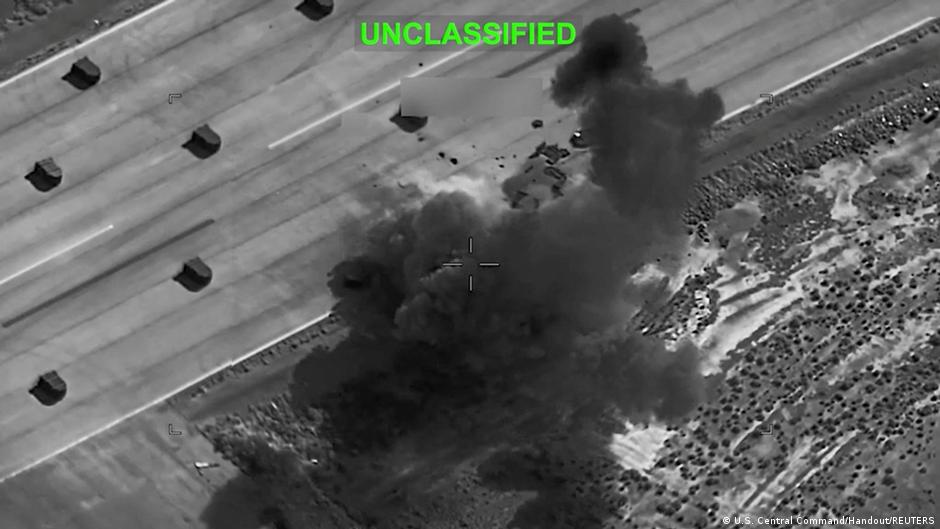
In a significant escalation of tensions in a critical global chokepoint, US military forces executed a third series of strikes against Iranian targets overnight on July 12, responding to Iranian attacks on commercial shipping in the Strait of Hormuz. The Strait, a vital artery responsible for roughly 20% of the world's oil trade before current conflicts, remains closed, raising urgent concerns over global energy supply stability and economic repercussions.
Background and Recent Developments
The US Central Command (CENTCOM) confirmed that the latest military action was a direct response to an assault by the Islamic Revolutionary Guard Corps (IRGC) on the Cyprus-flagged container ship GFS Galaxy. The vessel sustained significant damage from a fire and mechanical failures, forcing it to cease navigation, and one crew member is missing. Iranian state media reported air defense activity and explosions in several southern Iranian cities, including Sirik, Konarak, Chabahar, Jask, and Bandar Abbas.
CENTCOM emphasized that Iran was given opportunities to adhere to a Memorandum of Understanding aimed at safeguarding commercial shipping, but repeatedly failed to do so. The US military stated:
"The United States is inflicting serious damage on Iran to degrade its capability to threaten civilian mariners and commercial vessels freely transiting the Strait."
US Secretary of Defense Pete Hegseth succinctly summarized the US position: "Iran made the wrong choice. Now they are paying the price."
Meanwhile, the IRGC justified its actions by claiming it fired warning shots at a vessel that deviated from Iran-approved routes and disabled its navigation systems, labeling the incident a maritime security threat. The IRGC also declared the Strait of Hormuz would remain closed "until further notice" and demanded an end to perceived US regional interventions. Threats to strike US military bases in the Middle East were also issued should American strikes continue.
Global Economic Implications and Policy Shifts
The continued closure of the Strait of Hormuz—a strategic gateway through which a significant portion of global oil exports transit—poses acute risks to international energy markets. Disruptions here could trigger immediate supply shortages and price volatility, impacting inflationary pressures worldwide and complicating energy security strategies for both producers and consumers.
Despite a framework agreement signed on June 17 between the US and Iran designed to de-escalate hostilities and reopen the vital waterway, subsequent Iranian drone attacks on civilian tankers and reciprocal US military strikes have shattered prospects for near-term stabilization. The breakdown underscores the fragility of diplomatic efforts and signals a potential shift toward a prolonged state of conflict in the region.
US President Donald Trump, speaking at the NATO summit in Ankara on July 8, declared the Memorandum of Understanding with Iran defunct, dismissing Iranian leadership as "evil, sick people" and refusing to engage directly in negotiations, though leaving room for subordinate diplomatic channels. Concurrently, the US reinstated oil sanctions on Iran, intensifying economic pressure and geopolitical tensions.
These developments underscore a recalibration of US policy toward Iran, prioritizing military containment and economic sanctions over diplomacy, with significant ramifications for global supply chains and international markets.
Long-Term Consequences and Strategic Outlook
The sustained conflict and closure of the Strait of Hormuz threaten to reshape global energy trade routes, compelling importing nations to seek alternative supply lines and possibly accelerating shifts toward diversified energy sources, including renewables. The heightened risk premium on Middle Eastern oil may exacerbate inflation and complicate monetary policy decisions worldwide.
Further, the region’s instability could inspire a broader security dilemma, drawing in international actors and complicating multilateral efforts to stabilize energy markets and reduce geopolitical tensions.
As one Washington source noted about the ongoing US-Iran confrontations,
"Iranian officials admitted failures and expressed willingness to negotiate amid the escalating crisis, but rogue elements continue to provoke attacks."This suggests that future conflict dynamics may hinge on internal Iranian political complexities as much as on external diplomatic efforts.
Senior decision-makers globally must monitor these developments closely, as they bear directly on energy security, economic stability, and geopolitical alignments over the coming months and years.