Steinmeier Urges Europe to Counter Ruthless Policies of Russia and the US Amid Shifting Global Order
German President Steinmeier calls for a steadfast European response to the geopolitical and economic challenges posed by Russia and the US’s evolving strategies.
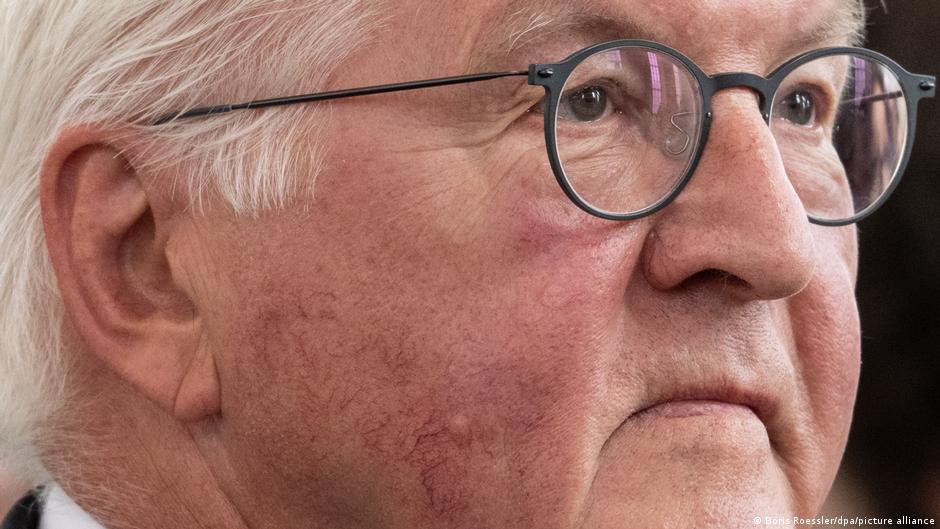
In a recent interview with the German broadcaster ZDF, Federal President Frank-Walter Steinmeier articulated a compelling call for Europe to confront what he described as a “new spirit of ruthlessness” being advanced by Russia and the United States. Steinmeier warned that this shift marks a profound geopolitical rupture, demanding a resolute response grounded in Europe’s values and institutional frameworks.
Geopolitical Shifts and the Need for a Distinct European Model
Steinmeier framed the current international environment as one characterized by a “double rupture of the era,” initiated by Russia’s invasion of Ukraine and subsequently compounded by a recalibration of American values and foreign policy. He emphasized that the traditional norms underpinning global order—rooted in law, rules, and multilateralism—are being challenged by the great powers’ pursuit of interests without regard for established international frameworks.
“Mimicking the behavior of these great powers is not an option for Germany or Europe,” Steinmeier asserted. While Moscow and Washington may temporarily benefit from operating outside international law, Europe must instead champion an order based on rights and rules.
“We cannot do what they do. We need international order, we need law and rules,” Steinmeier emphasized, highlighting Europe’s distinct approach as essential for its security and economic stability.
He also advocated for a pragmatic approach toward the United States, advocating engagement without explicitly referencing then-President Donald Trump, indicating a careful diplomatic balancing act amidst transatlantic tensions.
Implications for Europe’s Economic and Social Policy
Turning to domestic affairs, Steinmeier positively evaluated the significant social reform package unveiled in early July by Chancellor Friedrich Merz’s governing coalition, viewing it as a critical moment for Germany’s socio-economic landscape. He underscored that the success of these reforms hinges on their ability to foster sustainable economic growth, which is vital for restoring public trust and government legitimacy.
“Without economic growth, the current government will struggle to regain respect and trust from the population,” Steinmeier remarked, urging patience and perseverance in implementing the reforms.
This emphasis on growth and stability reflects broader concerns about Europe’s economic resilience in a world marked by geopolitical uncertainty and systemic challenges, such as energy security and supply chain disruptions.
Rise of Populism and Democratic Challenges in Germany
Steinmeier also addressed the domestic political landscape ahead of September’s state elections, noting the rising support for the far-right party Alternative for Germany (AfD) in eastern regions such as Saxony-Anhalt. While cautioning that polls do not equate to election outcomes, he acknowledged the significance of this trend and called on centrist parties to prevent extremists from gaining absolute majorities.
Highlighting that voters in Saxony-Anhalt represent only a small fraction of Germany’s electorate, Steinmeier nevertheless stressed the importance of taking the growth of populism seriously, especially as additional state elections in Berlin and Mecklenburg-Western Pomerania loom.
“You decide whether we preserve our democratic system,” Steinmeier reminded voters, underscoring the stakes involved in these regional contests for Germany’s political future.
These political dynamics have implications beyond Germany’s borders, as the resilience of democratic institutions in Europe will influence the continent’s capacity to maintain a rules-based order and counter authoritarian influences.
Long-Term Economic and Global Policy Consequences
Steinmeier’s statements reveal an acute awareness of the interconnected nature of geopolitical shifts and economic policy challenges. His insistence on Europe’s unique role in upholding international law and promoting economic stability signals a strategic positioning in a multipolar world where unilateralism and power politics threaten established frameworks.
For senior decision-makers analyzing global economic trends, Steinmeier’s perspective highlights the necessity of reinforcing multilateral institutions and investing in social and economic reforms that enhance resilience. The ability of European nations to navigate these complexities will shape not only regional stability but also global economic governance and the future of international cooperation.