U.S. Disables Panama-Flagged Vessel as Gulf Tensions Deepen Energy Risks
The reported U.S. strike in the Gulf of Oman underscores how maritime enforcement around Iran is becoming a direct macroeconomic risk for energy markets and policymakers.
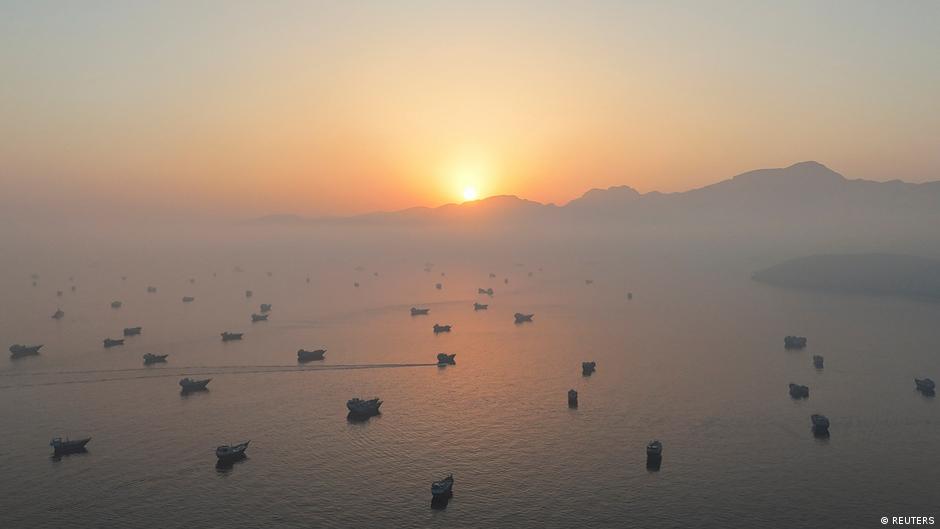
A U.S. Air Force fighter jet used a precision munition to strike the stern of the M/V Ocean Molica in the Gulf of Oman on October 10, disabling the Panama-flagged commercial cargo vessel’s propulsion system without injuring its crew, according to U.S. Central Command. The vessel, also known as the Arika Sun, had previously departed an Iranian port and was reportedly attempting to break an active maritime blockade against Iran after ignoring repeated warnings.
The incident marks another escalation in a strategically vital corridor for global trade and energy flows. CENTCOM said the strike was limited to disabling the ship, not harming personnel. But for senior economic decision-makers, the operational details matter less than the signal: enforcement around Iranian-linked maritime traffic is becoming more kinetic, more frequent and more consequential for global supply chains.
Crews have been advised to heed blockade warnings, according to the U.S. command’s statement.
CENTCOM said U.S. forces resumed the American blockade on July 14 against all vessels traveling to or from Iranian ports. In the three months since, the command said four commercial vessels have been disabled, 135 vessels have been forced to turn around and change course, and 10 tankers linked to the Islamic Revolutionary Guard Corps’ shadow network have been destroyed.
Those figures point to a maritime campaign that is no longer limited to signaling or interdiction threats. It is now affecting vessel routing, tanker availability and market expectations in one of the world’s most sensitive energy chokepoints. Even where physical damage is contained, the economic effects can spread quickly through freight costs, insurance premiums, fuel prices and political risk assumptions.
Energy Security Becomes a Policy Constraint
The Gulf of Oman and the nearby Strait of Hormuz sit at the center of the global energy system. Any sustained disruption, or even the perception that shipping risks are rising, can affect crude and refined fuel markets well beyond the immediate region. The reported disabling of the Ocean Molica came as the United Kingdom Maritime Trade Operations agency said a tanker in the Strait of Hormuz had again come under fire.
According to UKMTO, the tanker’s captain reported that the vessel was struck on the port side by an unknown projectile, causing a fire. The crew was reported safe. The episode adds a second pressure point to the same maritime theater: U.S. enforcement action in the Gulf of Oman and renewed attacks on tankers in the Strait of Hormuz.
For governments and companies, the immediate concern is operational continuity. Shipowners may reassess whether to transit the area, insurers may reprice coverage, and energy traders may add a larger geopolitical premium to fuel contracts. For central banks and fiscal authorities, the broader issue is whether higher fuel prices become persistent enough to affect inflation trajectories, household disposable income and industrial costs.
The source article notes that fuel prices have risen significantly in recent weeks against the backdrop of the war with Iran. That increase has also intensified pressure on Republicans roughly a month before the U.S. congressional midterm elections, at a time when recent polls show their popularity among voters has declined.
Energy costs are especially politically sensitive because they transmit rapidly into consumer sentiment. Higher gasoline, diesel and heating costs can shape voters’ views of economic management even before they appear fully in official inflation data. For businesses, rising fuel prices can feed into logistics, manufacturing and agricultural costs, complicating planning and margin management.
G7 Pushes for Restored Navigation Rights
The diplomatic backdrop is also hardening. On October 2, G7 leaders condemned continuing attacks by Iran on neighboring countries as well as actions they said violated international trade, energy security and the global economy. The group called for the immediate and full restoration of the rights and principles of navigation in the Strait of Hormuz and said it intended to strengthen collective efforts toward that goal.
That language reflects a shift from viewing the crisis primarily as a regional security problem to treating it as a systemic economic challenge. The G7 statement links maritime disruption directly to international trade, energy security and global economic stability. For multinational companies and financial institutions, that raises the likelihood that further policy measures, sanctions enforcement, naval coordination or insurance-related interventions could follow.
The U.S. action against the Ocean Molica also illustrates the complexity of blockade enforcement in commercial waters. The vessel was described as a commercial cargo ship under a Panamanian flag, a reminder that global shipping often involves multiple jurisdictions: vessel ownership, flag registration, cargo origin, financing, insurance and destination may all sit in different legal systems. That structure can make enforcement both more difficult and more economically disruptive.
From a macroeconomic perspective, the risk is not simply that one vessel is disabled or one tanker is damaged. The larger concern is cumulative disruption. If more ships are forced to reroute, more tankers are removed from service, and more vessels are struck or disabled, market participants may begin pricing the Gulf routes as structurally riskier. That can raise costs even without a full closure of the Strait of Hormuz.
Senior decision-makers should therefore treat the latest incidents as part of a broader repricing of geopolitical risk in energy and trade. The reported U.S. strike, the tanker attack in the Strait of Hormuz, the G7 response and the rise in fuel prices all point in the same direction: maritime security around Iran is becoming a direct channel through which conflict affects inflation, elections, supply chains and long-term policy choices.
The key question now is whether deterrence through forceful enforcement restores confidence in navigation or instead increases the risk premium attached to the region. For markets, the distinction is critical. For policymakers, it may define the next phase of energy security planning.