US Military Launches 11th Consecutive Night of Strikes Against Iran Amid Rising Regional Tensions
Sustained US-Iran conflict disrupts Gulf security, impacting global trade and energy markets.
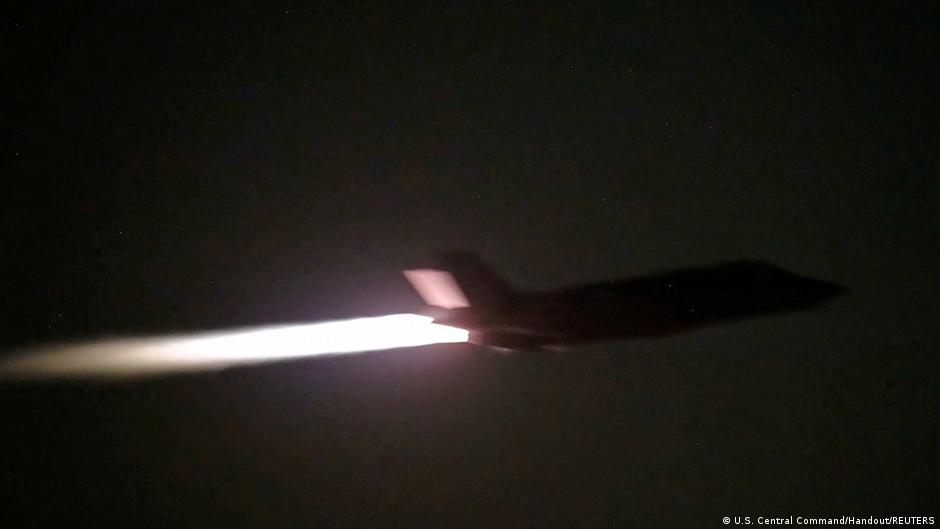
The United States Central Command (CENTCOM) confirmed a new wave of airstrikes targeting multiple Iranian military sites, continuing a series of assaults that have persisted for 11 consecutive nights. The latest operations, which lasted 75 minutes, resumed on the evening of July 21 (Eastern Time), marking a significant escalation in clashes between the US and Iran.
Strategic Objectives and Regional Implications
CENTCOM detailed that the strikes were aimed at weakening Iran's military capabilities, specifically targeting operational centers, naval forces, aviation hangars, drone storage facilities, and logistical infrastructure. The objective is to reduce Iran's ability to threaten commercial shipping traffic in the critical Strait of Hormuz, a strategic chokepoint for global energy supplies.
Iran’s aggressive posture has been demonstrated by attacks on over 30 commercial vessels traversing the Strait over the past three months. Despite these provocations, CENTCOM asserts that the waterway remains open, with US-led efforts facilitating the passage of roughly 900 commercial ships and the transport of 450 million barrels of crude oil since May. However, data from the London Stock Exchange indicates a marked reduction in shipping traffic, with only eight vessels passing through on July 18 and four on July 19, suggesting heightened risk perceptions among maritime operators.
"The sustained series of strikes aims to diminish Iran's capacity to threaten commercial navigation in the Strait of Hormuz," CENTCOM stated, emphasizing the strategic importance of maintaining open sea lanes for global energy flows.
On July 21, Iranian missile and drone attacks targeted the US military base Camp Arifjan in Kuwait, which hosts American forces. Kuwaiti authorities reported successful interceptions by their air defense systems. Concurrently, Iran’s Islamic Revolutionary Guard Corps (IRGC) announced the "sixth wave" of its Nasr 2 operation, claiming attacks on US military installations in Kuwait and Bahrain, though independent verification remains unavailable.
Earlier, on July 20, Iran conducted retaliatory strikes in the Persian Gulf region following prior US attacks. Countries including Kuwait and Jordan reported missile and drone incidents that day. Notably, on July 18, Tehran declared the nullification of a June framework ceasefire with Washington, which had aimed to establish a final peace deal within 60 days.
Broader Economic and Geopolitical Consequences
The ongoing military engagements between the US and Iran have significant macroeconomic ramifications. The Strait of Hormuz is a vital artery for approximately 20% of the world’s petroleum transit, meaning any disruption poses risks to global energy security and commodity price stability. Persistent instability threatens to increase insurance and security costs for maritime shipping, prompting some operators to reroute or delay shipments — factors that could drive up global oil prices and fuel inflationary pressures.
Furthermore, the escalation complicates the geopolitical landscape in the Middle East, potentially disrupting diplomatic efforts and regional cooperation on energy and trade. The death toll among US forces has risen to 17 since the conflict's intensification in February, highlighting the human cost and the risk of further military entanglement.
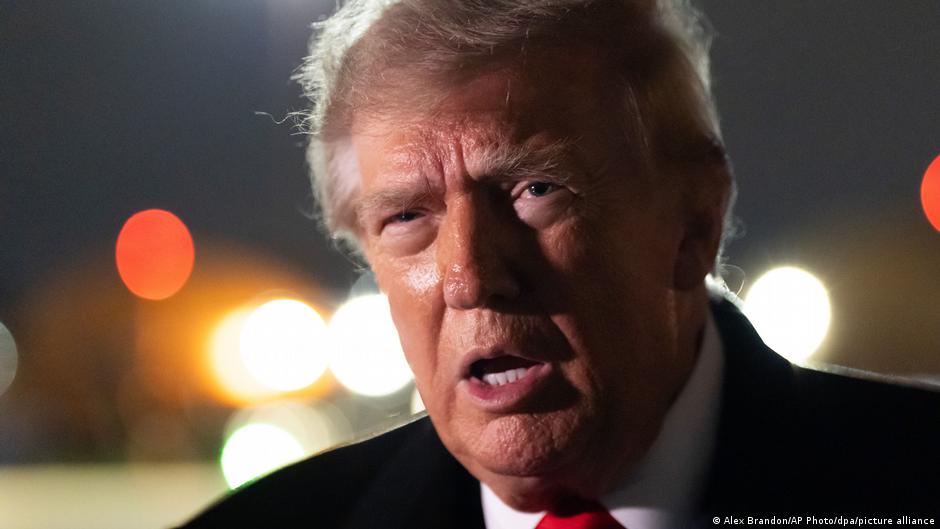
US President Donald Trump has issued stern warnings of "multiple punishments" in response to any further Iranian attacks resulting in American casualties. This rhetoric underscores the high stakes and the likelihood of continued military responses, which may perpetuate the cycle of escalation and uncertainty.
For policymakers and business leaders worldwide, monitoring these developments is essential. The protracted conflict over the Strait of Hormuz demands strategic contingency planning for energy supply disruptions and underscores the complex interplay between geopolitical security and global economic stability.