US-Israel Tensions Escalate Amid Lebanon Strikes, Impacting Middle East Stability
Trump harshly criticized Israeli PM Netanyahu over Lebanon strikes, raising concerns about regional peace and US diplomatic efforts.
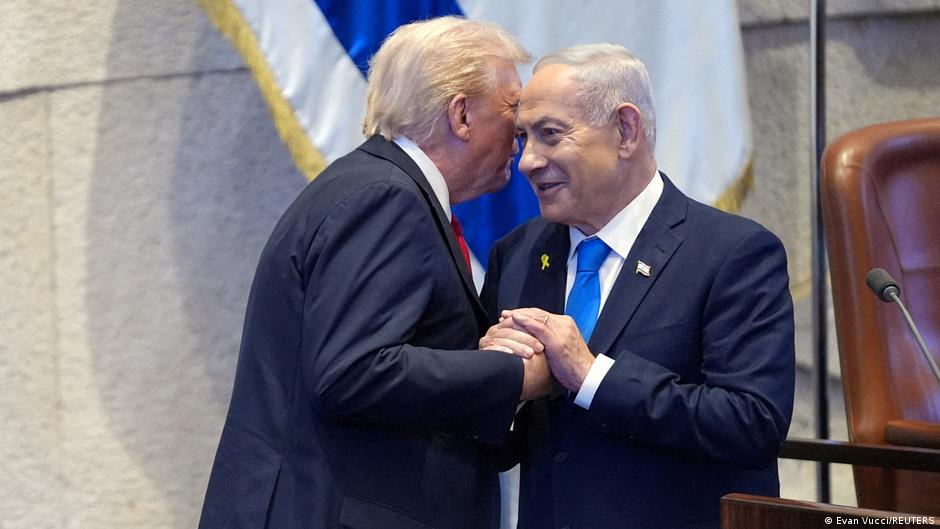
In a rare and sharp rebuke, former US President Donald Trump reportedly chastised Israeli Prime Minister Benjamin Netanyahu over military strikes in Lebanon, characterizing him as "crazy" and warning of severe diplomatic fallout. This confrontation highlights emerging strains between the US and Israel during a critical period of Middle Eastern conflict and diplomacy.
Diplomatic Strains Amid Military Escalations
According to sources, the verbal exchange occurred following Israeli Defense Forces' intensified strikes on southern Beirut suburbs on June 1. Netanyahu justified these attacks as a response to escalations with Hezbollah, the Iran-backed Islamist militant group active in Lebanon. The operations also included expanded ground activities in Lebanon after Hezbollah launched attacks on northern Israeli regions.
Trump's criticism went beyond military strategy; he expressed concern over the high civilian casualties and destruction of residential buildings resulting from Israeli operations aimed at eliminating Hezbollah commanders. Additionally, Trump claimed that he had previously helped Netanyahu avoid jail on corruption charges, indicating a complex and personal dynamic underlying their interactions.
"Because of the strikes on Lebanon, Netanyahu is hated, and this could drive Israel to greater international isolation," Trump reportedly said during the call.
The heightened Israeli military actions risk undermining an already fragile ceasefire in the region, complicating efforts by the US to broker peace and contain the conflict's broader geopolitical impact.
Regional and Global Economic Implications
The ongoing conflict and diplomatic friction bear significant macroeconomic consequences. The Middle East, a critical hub for global energy supplies, is highly sensitive to instability. Renewed violence threatens to disrupt oil and gas markets, exacerbate supply chain uncertainties, and fuel volatility in global financial markets.
Moreover, Iran’s recent announcement of suspending indirect negotiations with Washington, facilitated through intermediaries, further complicates prospects for de-escalation. Tehran views the Lebanese front as a key condition for any ceasefire agreement but insists that combat operations continue "on all fronts." Though Trump disputed the halt of talks, asserting that negotiations are progressing swiftly, the discord signals a precarious diplomatic environment.
For senior decision-makers, these developments necessitate close monitoring of Middle Eastern military dynamics and diplomatic postures. The potential for escalating conflict could trigger broader economic disruptions, including heightened energy prices, increased geopolitical risk premiums, and shifts in international alliances.
Policy responses may need to balance support for regional allies with diplomatic engagement strategies that prioritize conflict resolution and civilian protection, thus safeguarding long-term economic and geopolitical stability.