Russia’s Drone and Missile Strikes on Ukraine Decline in June Amid Uncertain Trends
Russian drone and missile attacks on Ukraine dropped significantly in June compared to May, raising questions about future conflict dynamics and industrial capacity.
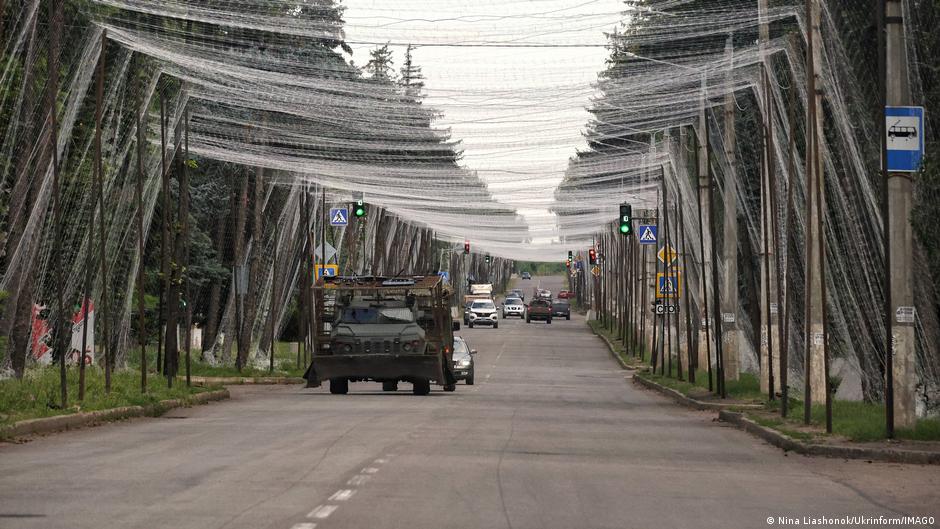
Data from the Ukrainian Air Force, analyzed by AFP, reveals that Russia conducted markedly fewer drone and missile strikes on Ukraine in June 2023 compared to the previous month. Specifically, drone usage fell by 29%, with 5,749 drones deployed in June versus 8,150 in May. Missile strikes also dropped by 15%, from 211 in May to 180 in June.
Potential Causes and Strategic Implications
This decline follows May’s record-high levels of drone attacks since the full-scale war began in February 2022. Experts caution against interpreting June’s reduction as a definitive trend. Some analysts suggest the dip may be temporary, possibly reflecting Russia’s efforts to replenish drone and missile stocks ahead of autumn operations or adjustments in military tactics. The continuing conflict with the US and Israel over Iranian Shahed drone supplies might also impact Russia’s drone availability.
“It is too early to declare this a new operational trend; the drop may reflect logistical recalibration rather than a strategic shift,” noted military analysts.
Alternatively, should the reduction signal a longer-term shift, it could point to broader challenges within Russia’s military-industrial complex, including supply chain disruptions or production bottlenecks. This would have significant ramifications for Russia’s capacity to sustain high-intensity conflict operations over time, potentially influencing Moscow’s strategic calculations and international diplomatic engagements.
Ukraine’s Enhanced Counterattacks and Economic Ripple Effects
Meanwhile, Ukraine intensified retaliatory strikes against Russian targets in June, focusing heavily on critical fuel infrastructure such as oil refineries, storage depots, and ports. These targeted attacks have contributed to a notable fuel shortage within Russia, imposing economic strains beyond the immediate battlefield.
Additionally, Ukraine has struck defense industry facilities, including the Voronezh semiconductor plant, known for producing electronics integral to the Iskander missile systems. Disruptions to such sites could further degrade Russian military capabilities and complicate efforts to replenish depleted munitions.
The interplay of these military developments underscores the broader macroeconomic challenges facing both nations. Russia’s reduced strike volume may signal stress on its defense manufacturing sector, while Ukraine’s focused attacks aim to erode Russia’s logistical and industrial foundations. These dynamics not only affect the immediate conflict but also have long-term implications for regional economic stability and global security policies.