France Tightens Visa Issuance Rules for Russian Citizens Amid EU-Wide Restrictions
France joins Italy, Spain, and Hungary in imposing stricter visa requirements for Russian applicants, signaling a coordinated EU response with broader economic and diplomatic implications.
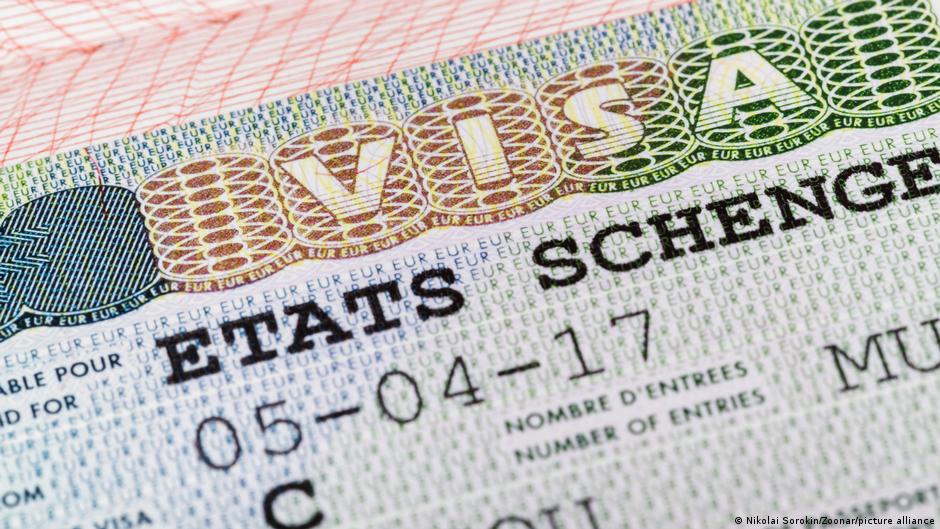
France has announced a significant tightening of visa issuance rules for Russian citizens, following similar measures recently introduced by Italy, Spain, and Hungary. This development marks the fourth European Union country to restrict access to Schengen visas for Russians, reflecting heightened geopolitical tensions and emerging shifts in EU border policies.
New Visa Regulations and Their Immediate Effects
Effective from July 15, the French visa center in Moscow will no longer accept visa application documents submitted via notarized powers of attorney. Instead, applicants must submit their visa requests in person or through close relatives. Eligible representatives include spouses, children, parents, or legal guardians for minors under 18 years of age.
Applicants must present original documentation verifying family ties, and biometric data collection has become mandatory. The biometric procedure must have been completed within the previous 59 months before submitting the visa application. Additionally, all applicants over 12 years old are required to provide biometric data. The visa application form must be personally signed by the applicant.
"These procedural adjustments impose stricter verification steps, limiting indirect or proxy submissions and thereby reducing the volume of applications processed through third parties," said an expert on EU border policies.
Previously, Italy and Spain had already extended visa processing times due to high demand, with Italy's visa approval period stretching up to 60 days and Spain's up to 45 days. Hungary has gone further by suspending visa application acceptance in several Russian cities, including Samara, Ufa, and Kazan.
Broader Economic and Geopolitical Implications
The tightening of visa issuance procedures across key EU Member States signals a coordinated shift in European Union policy towards Russia amid ongoing geopolitical tensions. These restrictions contribute to a decline in people-to-people contacts that have traditionally underpinned business relations, tourism, and academic exchanges.
For Russian travelers, these measures substantially increase the administrative burden and uncertainty associated with travel to the EU, potentially reducing short-term visits and longer-term economic engagements. In the context of global economic interdependencies, reduced mobility may impact sectors reliant on cross-border cooperation, including trade, services, and cultural exchange.
From a macroeconomic perspective, the protracted visa processing times and additional bureaucratic hurdles could dampen tourism revenues and complicate multinational business operations. This may also influence foreign direct investment decisions where mobility plays a critical role.
Furthermore, these visa policy shifts reflect broader EU strategies to recalibrate economic and diplomatic relations with Russia, which could have lasting impacts on regional economic stability. The restrictions can be seen as part of a larger framework of sanctions and regulatory measures that seek to exert pressure through non-military means.
Long-Term Outlook
Given the current trajectory, these visa restrictions may evolve into more stringent controls, potentially affecting a wider range of applicants and extending to other EU countries. For senior decision-makers, understanding these regulatory trends is essential for anticipating shifts in international trade flows, labor mobility, and bilateral cooperation frameworks.
Strategic adaptation may involve diversifying markets, reconfiguring supply chains, and investing in digital and remote collaboration technologies to mitigate travel-related constraints. Policymakers should also monitor the socio-economic impacts of reduced mobility and consider complementary measures to sustain economic ties where feasible.