EU Cuts Duty-Free Steel Import Quota by Nearly Half to Shield Domestic Industry
The European Union reduces duty-free steel imports by 47% and imposes a 50% tariff on excess imports to protect its steel sector.
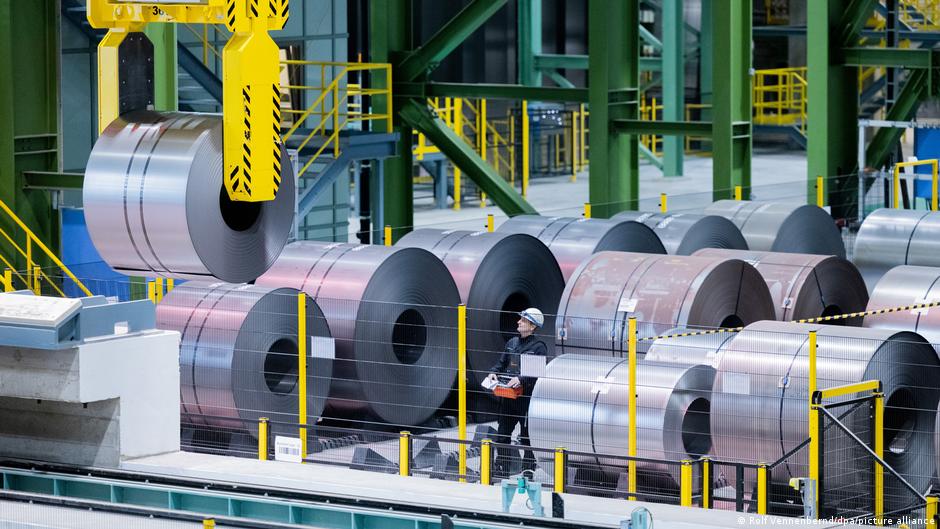
On July 1, the European Union implemented stringent new restrictions on steel imports, slashing the volume of duty-free steel allowed into the bloc by nearly half. The annual quota for duty-free steel imports has been capped at 18.3 million tonnes, representing a 47% decrease from the previous allowance. Imports exceeding this quota will be subject to a 50% tariff, double the prior rate.
Strategic Protectionism Amid Global Steel Overcapacity
This policy shift aims to shield the European steel industry from an influx of cheap steel products flooding the market. Germany, home to the EU's largest steel production capacity, stands to benefit significantly from these new measures. The quota system allocates specific volumes of duty-free steel imports from selected third countries, with unused quotas eligible for rollover into subsequent quarters.
According to the World Steel Association (Worldsteel), China produced approximately 961 million tonnes of steel in 2025, accounting for over half of global steel output. In sharp contrast, Germany’s steel production reached around 34 million tonnes during the same period.
"The EU accuses China of unfairly leveraging state support to its steel industry, resulting in global market steel surpluses that undermine international competition," industry analysts note.
These new import restrictions reflect broader concerns about global steel market distortions and the impact of state-subsidized overproduction in China. The EU’s policy recalibration signals a cautious turn towards strategic trade defense mechanisms designed to preserve domestic industrial capacity and jobs in the steel sector.
Long-term, these tariffs and quotas may recalibrate global steel trade flows, with potential ripple effects on raw material markets, downstream manufacturing sectors, and international trade relations. For senior decision-makers, the move underscores the growing importance of balancing free trade with targeted industrial policies amid rising geopolitical and economic tensions.