Poland Expels 11 Individuals Over Russia-Funded Protests Amid Refugee Tensions
Polish authorities deported nine Ukrainians and two Belarusians accused of organizing Russia-backed protests involving Ukrainian refugees.
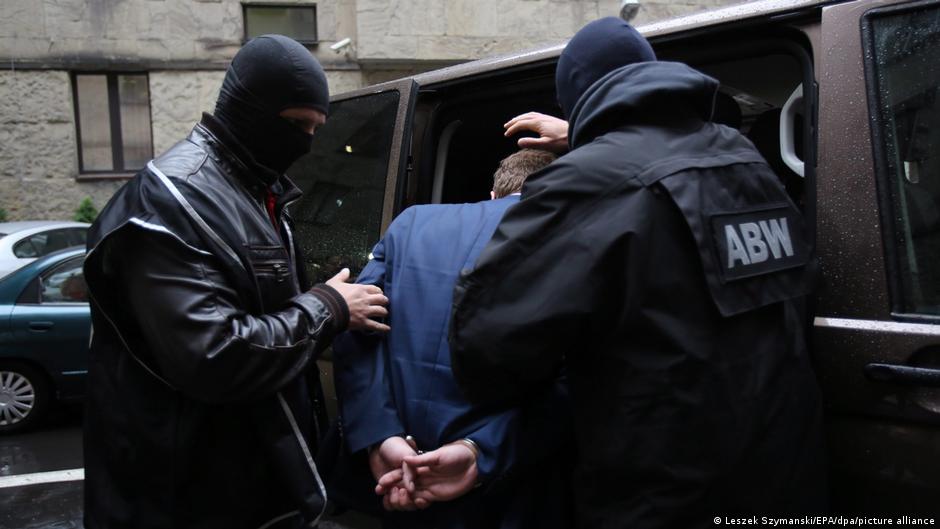
Poland has deported a total of eleven individuals—nine Ukrainian nationals and two Belarusians—allegedly involved in orchestrating protests funded by the Russian government. These individuals were reportedly recruiting participants from among Ukrainian refugees residing in Poland, according to the country’s internal security agency, the Agencja Bezpieczeństwa Wewnętrznego (ABW).
Background and Security Concerns
The ABW reported that the deportations followed coordinated detentions across multiple Polish cities, including Warsaw, Wrocław, Kraków, Zakopane, and Bydgoszcz. Since autumn 2025, the accused recruited and compensated people to participate in demonstrations aimed at promoting specific political messages among Ukraine's diaspora within Poland. The funding source for these activities, as claimed by the ABW, traced back to Russia.
"The organizers’ objective was to gradually influence the Ukrainian refugee community in Poland and leverage this group to advance political slogans," the agency stated. These protests often centered on emotionally charged themes such as corruption scandals in Ukraine and other domestic political issues, designed to provoke strong reactions and potentially destabilize the cohesion of the refugee population.
"The aim was to use the refugee community for political influence, exploiting sensitive topics to sow discord," an internal security briefing noted.
This development is part of a broader pattern of Russian interference in European domestic affairs. In February 2024, the Polish Ministry of Foreign Affairs warned of potential infiltration by Russian operatives within the domestic farmers’ protest movements, which exhibited anti-Ukrainian sentiments. Polish officials suggested these slogans could be tools for Russian intelligence agencies to manipulate public opinion and protest dynamics.
Furthermore, a 2023 report by the investigative organization Dossier, linked to oligarch and opposition figure Mikhail Khodorkovsky, revealed coordinated Russian disinformation campaigns within the European Union. These campaigns aimed to create rifts among NATO allies, particularly France and Turkey, while fueling hostility toward Ukrainians across EU member states.
Implications for European Security and Policy
These incidents underscore the persistent and evolving nature of Russian hybrid tactics targeting European societies, especially amid the ongoing Ukraine conflict and refugee movements. The use of refugee communities as vectors for political influence campaigns presents complex challenges for host nations balancing humanitarian responsibilities with national security.
For senior policymakers and economic strategists, such activities imply potential risks for social stability and integration efforts, which are crucial for economic resilience. The manipulation of vulnerable communities can exacerbate societal divisions and undermine trust in governance, possibly affecting labor markets, social services, and bilateral relations.
Strategic responses may require enhanced intelligence sharing, community engagement programs aimed at countering misinformation, and coordinated EU-wide policies to mitigate foreign interference. These measures are essential to safeguard not only political stability but also economic confidence and cross-border cooperation within the European Union.