US Extends License for Russian-Controlled Serbian Oil Firm Amid Sanctions Uncertainty
Temporary US license allows Serbian oil company NIS to operate under sanctions while Gazprom stake sale deadline is extended.
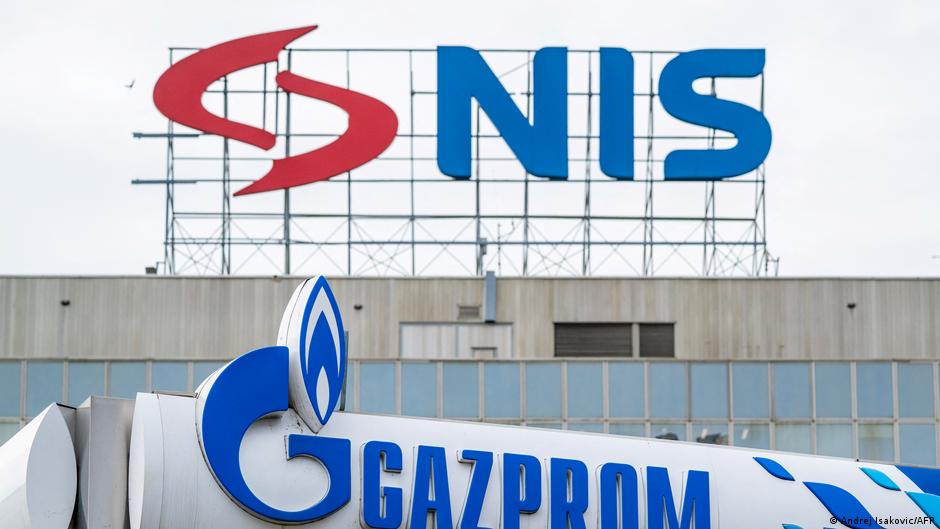
In a move reflecting ongoing geopolitical and economic complexities, the United States has once again extended a temporary license allowing the Serbian oil company Naftna Industrija Srbije (NIS) to operate despite being subject to US sanctions. The license, which was extended for an additional 30 days starting June 30, 2026, permits NIS to continue its business operations under restrictions linked to its ownership structure.
Background and Geopolitical Implications
NIS, Serbia's leading oil company, is partially owned by Russia's Gazprom and its investment arms, which combined hold approximately 56% of the company's shares. US sanctions imposed in January 2025 targeted NIS due to Gazprom’s controlling stake, requiring the sale of these shares to comply with restrictions aimed at curbing Russian influence in the European energy sector.
The sanctions have had significant operational consequences. For instance, oil deliveries through the Adriatic pipeline (JANAF) across Croatia were suspended, leading to disruptions in supply chains and halting production at NIS’s Pančevo refinery. The refinery is critical to Serbia, covering 80% of the nation's gasoline and diesel demand, and over 90% of its jet fuel and heavy fuel oil needs.
"The Pančevo refinery continues to process crude oil under the current license," confirmed Serbia’s Energy Minister Dubravka Đedović-Handanović, citing information from the US Treasury’s Office of Foreign Assets Control (OFAC).
In January 2026, Hungary’s MOL Group, the largest oil and gas company in Hungary, signed an agreement to acquire Gazprom’s stake in NIS. The US Treasury initially set a deadline of May 22, 2026, for completing the transaction. However, to date, this deadline has been extended multiple times, reflecting ongoing negotiations and complexities in divesting Russian assets amid sanctions.
Economic and Strategic Consequences
The US decision to grant repeated license extensions highlights a pragmatic balancing act between enforcing sanctions and maintaining regional energy stability. Serbia relies heavily on NIS for its fuel supplies, and abrupt disruptions could have wider economic and social repercussions domestically and across the Western Balkans.
For policymakers and senior economic decision-makers globally, this case illustrates the nuanced challenges of sanctions policy implementation. The need to enforce geopolitical objectives must be weighed against potential destabilization of energy markets and downstream effects on regional economies.
Furthermore, the NIS situation underscores the ongoing realignment in European energy markets. The sale to MOL represents a strategic shift, with Central European companies expanding their footprint, potentially decreasing Russian direct control but still navigating complex sanction regimes and political risks.
Looking ahead, the outcome of the NIS transaction will set important precedents for how Western sanctions interact with energy security concerns in geopolitically sensitive regions. It also demonstrates the necessity for adaptive policy frameworks that can manage long-term economic consequences while addressing immediate geopolitical imperatives.