Massive Russian Missile and Drone Strikes on Kyiv Raise Economic and Security Concerns
Russian attacks on Kyiv inflict civilian casualties and infrastructure damage, highlighting risks to Ukraine’s economic stability and regional security.
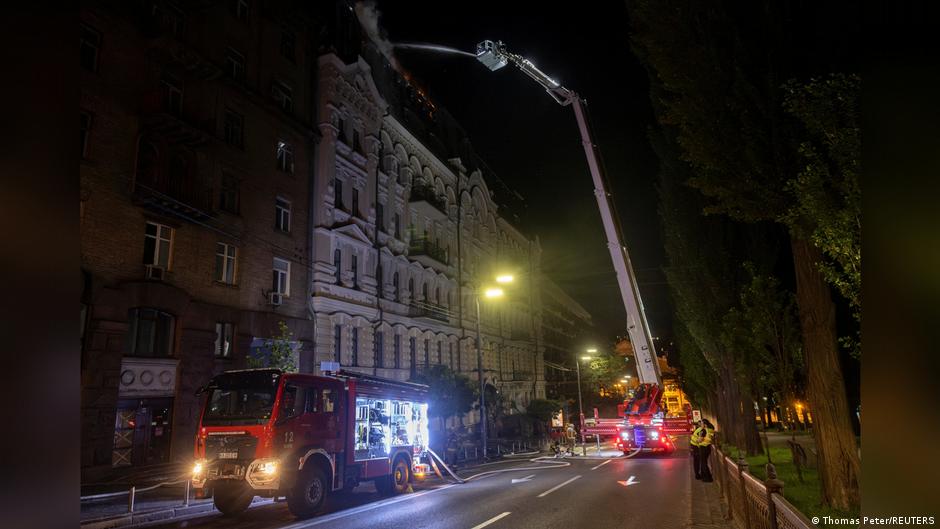
On the evening of July 1, Kyiv endured a coordinated series of missile and drone attacks by Russian forces, resulting in five fatalities and 34 injuries, alongside significant damage to civilian infrastructure. These events underscore the ongoing security challenges facing Ukraine and carry broader implications for economic stability and policy responses in the region.
Impact on Urban Infrastructure and Human Capital
The attacks targeted multiple districts within Kyiv, including Shevchenkivskyi, Holosiivskyi, Desnianskyi, Darnytskyi, Solomianskyi, Sviatoshynskyi, Obolonskyi, and Podilskyi. Among the damaged infrastructure were multi-story residential buildings, a hospital's ambulance substation, and a hotel. Vitaliy Klitschko, Mayor of Kyiv, and Timur Tkachenko, head of the city’s military administration, reported that the strikes triggered fires on rooftops and caused partial building collapses, entombing some residents temporarily.
Notably, emergency responders and medical personnel were among the wounded, highlighting the direct toll on human capital essential for crisis management.
The attacks began late Wednesday evening and appeared coordinated to strike multiple sites simultaneously, suggesting a tactical escalation aimed at maximizing disruption.
The scale and precision of these strikes indicate extensive reconnaissance and planning by Russian forces, which reportedly focused reconnaissance efforts in Kyiv and the Dnipro region. This indicates a strategic intent to degrade Ukraine’s critical infrastructure and undermine civilian morale.
Macroeconomic Implications and Regional Security Risks
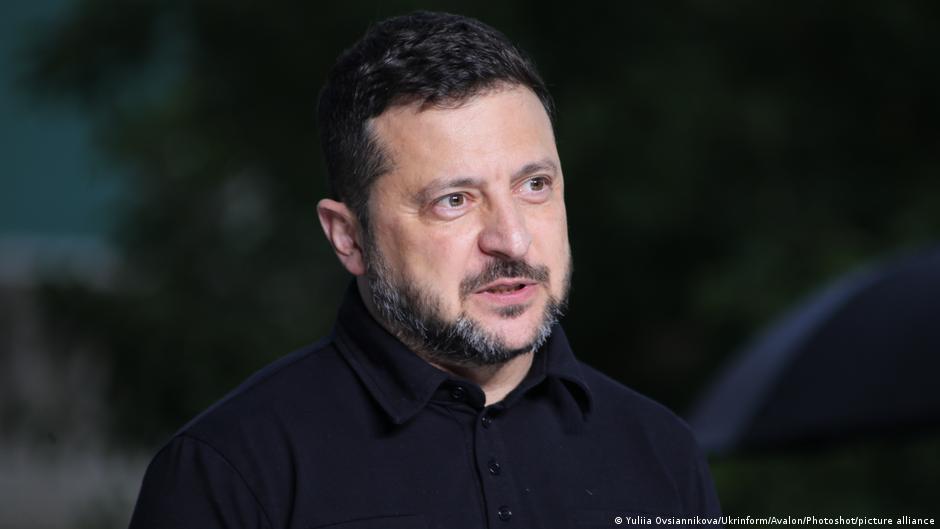
Ukrainian President Volodymyr Zelensky, speaking from Dublin where he attended the Irish EU Council presidency inauguration, warned of a possible "massive Russian strike" on Ukraine based on intelligence assessments. The ongoing attacks pose immediate challenges to Kyiv’s economic functionality, threatening to disrupt essential services and investor confidence.
These developments exacerbate uncertainties in Ukraine’s macroeconomic outlook, including the potential for slowed reconstruction efforts, increased government expenditure on defense and emergency services, and further displacement of populations. The damage to urban housing and utilities will strain public finances and complicate recovery strategies.
Furthermore, the psychological impact on Kyiv’s residents is notable; reports indicate a significant rise in citizens seeking shelter in metro stations to avoid drone and missile strikes, signaling heightened public anxiety and an erosion of normal economic activity.
Strategic and Policy Considerations
The intensified targeting of Ukraine’s capital and key regions demands a recalibration of both domestic and international policy approaches. Enhanced air defense systems, increased humanitarian aid, and expanded economic support mechanisms will be critical to mitigate the long-term consequences.
From a global perspective, these attacks reinforce the fragile security environment in Eastern Europe, potentially influencing energy markets, supply chains, and investor risk assessments worldwide. Policymakers must consider the broader ramifications of sustained conflict on regional stability and the global economic order.
In summary, the recent Russian missile and drone strikes on Kyiv represent a significant escalation with far-reaching economic and security implications. The resilience of Ukraine’s infrastructure and institutions will be tested, while the international community faces mounting pressure to respond effectively to safeguard regional stability and economic continuity.