US Lifts Blockade of Strait of Hormuz, Signaling Shift in Middle East Policy and Global Oil Markets
The US ends Strait of Hormuz blockade under Trump’s directive, initiating a 60-day peace negotiation period with Iran and easing oil market tensions.
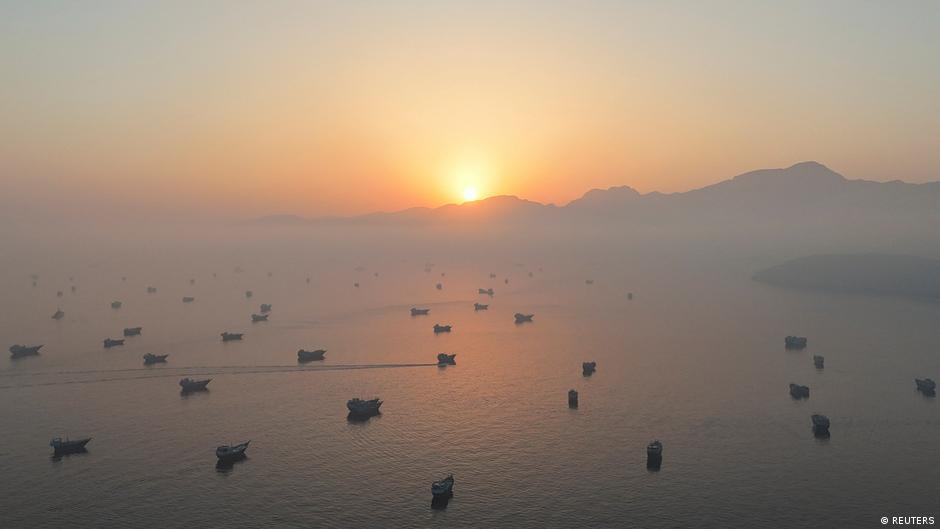
The United States has officially lifted its blockade of the Strait of Hormuz following a directive from President Donald Trump, marking a significant policy shift with substantial implications for global energy security and geopolitical stability in the Middle East.
The announcement, made by the US Central Command (CENTCOM) on June 18, confirmed that American forces will no longer obstruct vessels entering or exiting Iranian ports via the strategically critical strait. CENTCOM emphasized that while the blockade is lifted, US naval forces will remain in the area to ensure compliance with all agreement provisions.
Strategic and Economic Implications
This move coincides with a record transit volume through the Strait of Hormuz, with Vice President David James Vance reporting that 12.5 million barrels of oil passed through the strait within a 24-hour period. This figure represents the highest throughput since the US and Israel initiated military actions against Iran on February 28.
“The lifting of the blockade and the resumption of regular shipping traffic mark a critical step toward de-escalation in the region and stability in global energy supplies,” said Vance during a briefing.
Importantly, Vice President Vance noted that Iranian forces have refrained from attacking vessels for two consecutive nights, indicating a reduction in immediate hostilities and signaling a window for diplomatic engagement.
The removal of the blockade is part of a broader memorandum of understanding (MoU) signed remotely by Washington and Tehran on the night of June 18, which initiates a 60-day negotiation period aimed at finalizing a comprehensive peace agreement. Originally, the MoU signing was scheduled for an in-person meeting on July 19 in Switzerland, but the process was expedited to reopen the strait sooner.
The MoU outlines 14 points, including an immediate ceasefire on all fronts, lifting the maritime blockade, and restoring uninterrupted maritime traffic through the Strait of Hormuz. Notably, the agreement also includes commitments to remove US-imposed petroleum sanctions on Iran and withdraw American military forces from areas surrounding the Islamic Republic.
From an economic perspective, the deal provisions the allocation of $300 billion from a private investment fund to support Iran’s reconstruction efforts. Additionally, $24 billion in Iranian frozen assets will be unfrozen, providing Tehran with significant liquidity and economic relief.
Perhaps most consequentially for global non-proliferation efforts, Iran has agreed not to pursue nuclear weapons development during this period, addressing one of the key drivers of tension and sanctions.
Long-Term Economic and Policy Outcomes
The lifting of the blockade and the underlying diplomatic engagement signal a potential reorientation of US Middle East policy, with broader implications for regional security and energy markets. For global senior decision-makers, this shift could herald a more stable oil supply environment and influence strategic energy planning, trade flows, and investment decisions.
The release of frozen assets and the promise of substantial investment into Iran may spur economic growth and regional integration, reducing the risk premium previously embedded in oil prices due to geopolitical uncertainty.
Furthermore, the agreement underscores a potential paradigm shift from military confrontation to diplomatic negotiation, offering a model for resolving complex international conflicts with significant economic ramifications.
As the 60-day negotiation window unfolds, policymakers and market participants globally will be closely monitoring developments, assessing the durability of the ceasefire, and the prospects for a comprehensive peace settlement that could reshape Middle Eastern geopolitics and global economic dynamics.