US Considers Charging Fees for Passage Through Strait of Hormuz Amid Iran Deal Uncertainties
President Trump warns of fees for Strait of Hormuz transit if Iran agreement fails, signaling potential shifts in Middle Eastern maritime security and global oil trade.
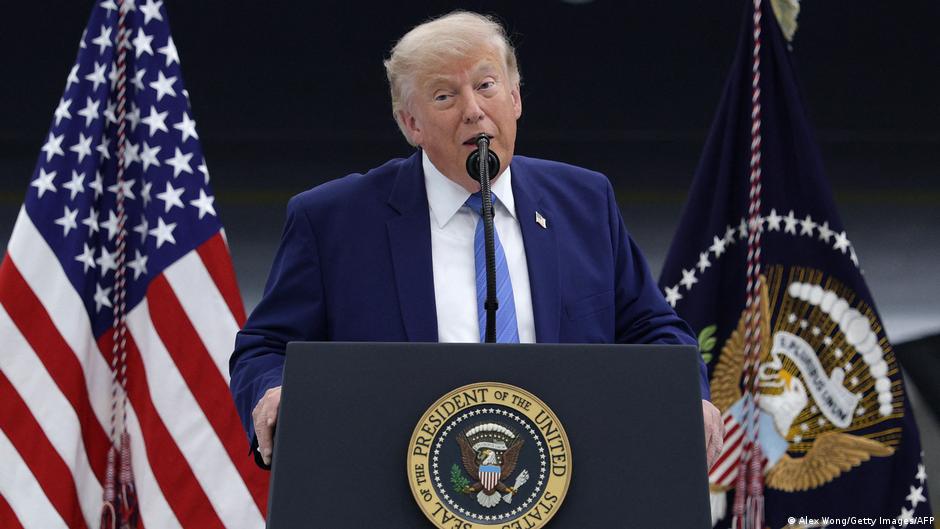
The United States has signaled a potential shift in its strategic approach to the Strait of Hormuz, a critical chokepoint for global oil shipments, by threatening to introduce fees for passage if a deal with Iran collapses. This announcement, made by President Donald Trump on the social media platform Truth Social on June 20, underscores the growing complexity of geopolitical maneuvering in the Middle East and its implications for global economic stability.
Strategic and Economic Implications of Potential Transit Fees
President Trump framed the proposed fee as compensation for what he described as the United States' role as the "guardian angel" of Middle Eastern countries, providing security and freedom of navigation through one of the world's most vital maritime corridors. The Strait of Hormuz, through which a significant portion of the world's oil supply passes, is a critical artery for global energy markets. Any disruption or added cost in this passage could reverberate internationally, impacting oil prices and supply chains.
"In case of a failure in the deal with Iran, the U.S. may impose charges for passage through the Strait of Hormuz to compensate for the security services it provides," President Trump stated.
Trump also noted a 60-day grace period during an ongoing ceasefire agreement with Iran, during which no fees would be levied, provided the terms of the agreement remain intact. This ceasefire, formalized in a memorandum signed on June 17, aims to halt military actions across multiple fronts, including in Lebanon. However, tensions remain fragile as Iran has recently announced a new ban on vessel transit through the strait in retaliation to Israeli military actions in southern Lebanon—actions Tehran alleges violate the ceasefire terms.
The evolving situation has prompted fluctuating maritime activity. According to the U.S. Central Command (CENTCOM), on June 18 alone, vessels carrying approximately 12.5 million barrels of oil passed through the strait—a record since hostilities escalated between the U.S., Israel, and Iran earlier this year. Notably, Iran reportedly refrained from attacking ships for two consecutive nights prior, reflecting a temporary de-escalation.
Long-Term Economic Consequences and Policy Considerations
The prospect of imposing fees for passage through the Strait of Hormuz raises complex macroeconomic questions. The additional cost burden would likely be passed along the global oil supply chain, potentially exacerbating existing supply constraints and price volatility in energy markets. For policymakers, this adds a layer of geopolitical risk to an already volatile region, complicating forecasting and strategic planning for energy security.
Moreover, such a policy shift by the United States could provoke retaliatory measures or further destabilization, challenging international norms surrounding freedom of navigation. The interplay between military posturing, economic leverage, and diplomatic negotiations will require careful balancing to avoid unintended consequences that could ripple through global markets.
As the ceasefire period progresses, monitoring compliance with the memorandum's terms will be critical. Any breaches could trigger escalations that disrupt the flow of goods and energy resources, underlining the interconnectedness of security policies and economic outcomes in the globalized economy.