Mass Protests in London Highlight Deep Divides Over Migration and Middle East Conflict
Simultaneous protests in London voiced opposing views on migration and the Palestinian Nakba, reflecting broader global political tensions.
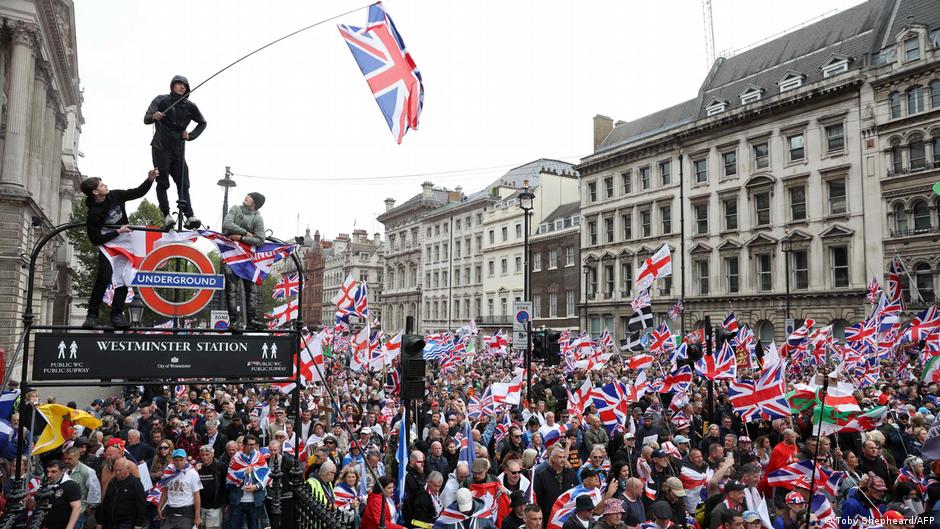
On May 16, London witnessed two large-scale public demonstrations reflecting sharply contrasting political sentiments, underscoring the complexities of migration debates and the enduring impact of the Middle East conflict on global discourse. Tens of thousands of people participated in these events, which unfolded peacefully under the watchful eyes of the authorities.
Contrasting Protests Reflect Polarized Political Climate
The first demonstration was a march organized by far-right activists opposing immigration, while the second was a pro-Palestinian rally commemorating the Nakba—the mass displacement of approximately 700,000 Palestinians during the establishment of the State of Israel in 1948. These protests occurred simultaneously in the British capital, attracting widespread attention due to their size and political implications.
Estimates for the number of participants vary. Far-right organizers claimed "millions" took part, and pro-Palestinian advocates cited around 250,000 attendees. Independent reporting suggested the total turnout was in the tens of thousands. The events coincided with the final match of the English FA Cup, which also drew thousands of spectators to London, adding to the city’s crowded atmosphere.
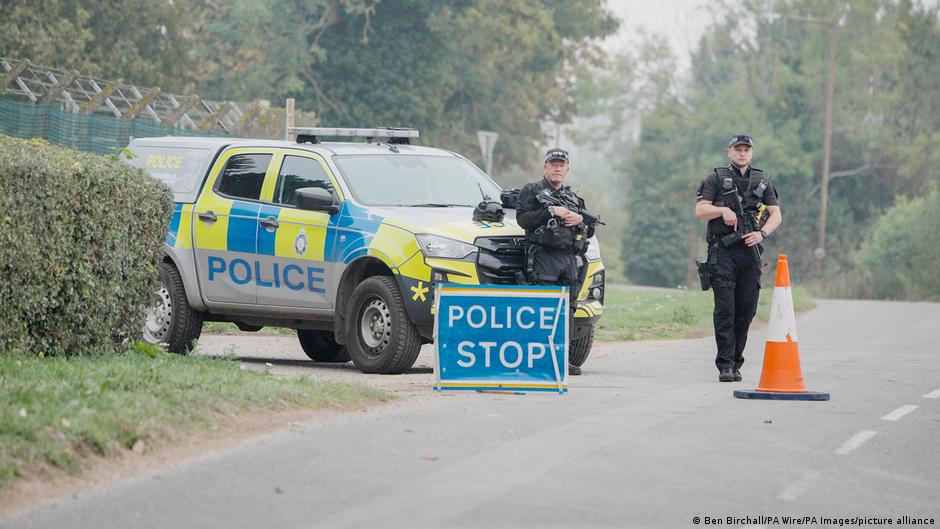
A significant police presence was deployed, with around 4,000 officers assigned to oversee the three related events. Authorities detained 43 individuals but reported no major incidents during the demonstrations.
The anti-immigration march, titled “Unite the Kingdom,” was led by Steven Yaxley-Lennon, known as Tommy Robinson, a figure with a history of organizing controversial rallies. His previous event in September 2025 drew approximately 150,000 participants and sparked significant public debate.
“The organizers expressed dissatisfaction with the number of asylum seekers and mass immigration, criticizing Prime Minister Keir Starmer for policies they view as divisive,” police reports noted.
Meanwhile, the pro-Palestinian march condemned prominent Western political figures, including former U.S. President Donald Trump and British politician Nigel Farage, whose party recently won a significant majority in local elections. The rally highlighted ongoing international grievances related to the Israeli-Palestinian conflict.
Authorities reiterated their firm stance against hate speech, particularly antisemitic slogans, and monitored the crowds closely. Despite some demonstrators chanting inflammatory slogans such as "Death to the IDF," the police maintained control and prevented escalation.
Economic and Policy Implications of Rising Political Polarization
These London demonstrations reflect broader geopolitical and socio-economic challenges facing Western democracies. The sharp divide over migration policies signals ongoing tension surrounding labor markets, social integration, and national identity. For senior economic decision-makers, such polarization can translate into policy uncertainty, impacting investment confidence and long-term economic planning.
Moreover, the pro-Palestinian rally underscores the persistent impact of international conflicts on domestic politics, which may influence foreign policy orientations and trade relations, particularly with Middle Eastern partners. The involvement of influential political figures criticized at the protests suggests potential shifts in the political landscape that could affect regulatory frameworks and economic alliances.
Experts advise close monitoring of these developments, as the interplay between migration debates and international conflict narratives could shape the UK's economic trajectory and its role in global affairs.