UK Plans £18 Billion Defense Budget Increase Amid Political Turmoil
Prime Minister Keir Starmer prepares to boost defense spending by £18 billion, signaling significant policy shift with global economic implications.
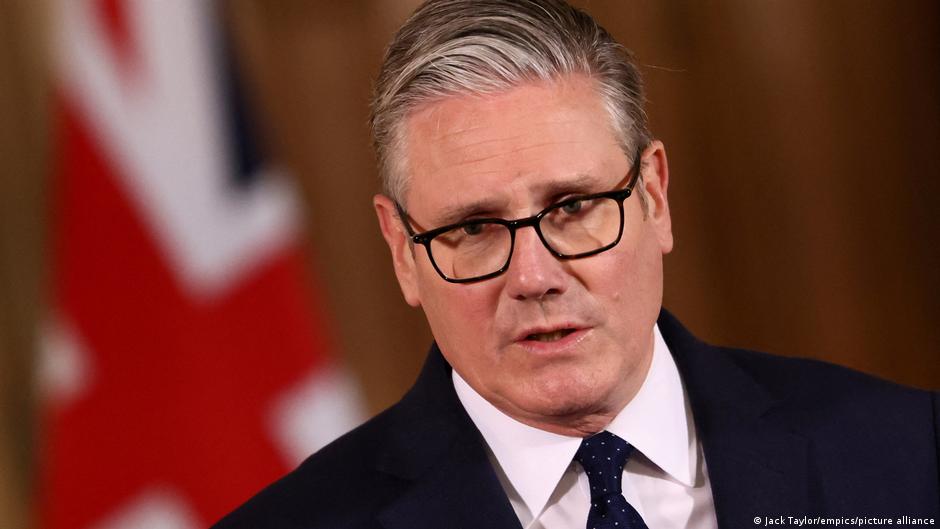
The United Kingdom is poised to increase its defense budget by £18 billion (approximately €20.6 billion), a move that reflects both domestic political pressures and broader strategic recalibrations in response to evolving global security challenges. According to reports from British media, Prime Minister Keir Starmer is expected to announce this substantial rise in defense expenditure imminently, potentially as soon as the week of May 18-24.
Strategic and Economic Implications of the Defense Spending Surge
This proposed increase will raise the UK’s defense budget for the 2025-2026 fiscal year to an estimated £62.2 billion, marking a significant jump from previous allocations. While the precise sources of funding remain unclear, government insiders describe the new defense package as "manageable" within the broader fiscal framework.
Starmer’s decision comes amid mounting political pressure, with internal party dissent intensifying following recent crises within the Labour Party. Several Labour MPs have openly called for Starmer's resignation, highlighting the growing factional tensions that underscore the government’s precarious hold on power. Against this backdrop, the premier’s commitment to strengthening defense and national security appears aimed at consolidating political support by addressing public and parliamentary concerns over the UK's role in an increasingly volatile international environment.
"The new defense package will be quite manageable for the budget," a UK government source noted, suggesting careful fiscal calibration despite the size of the increase.
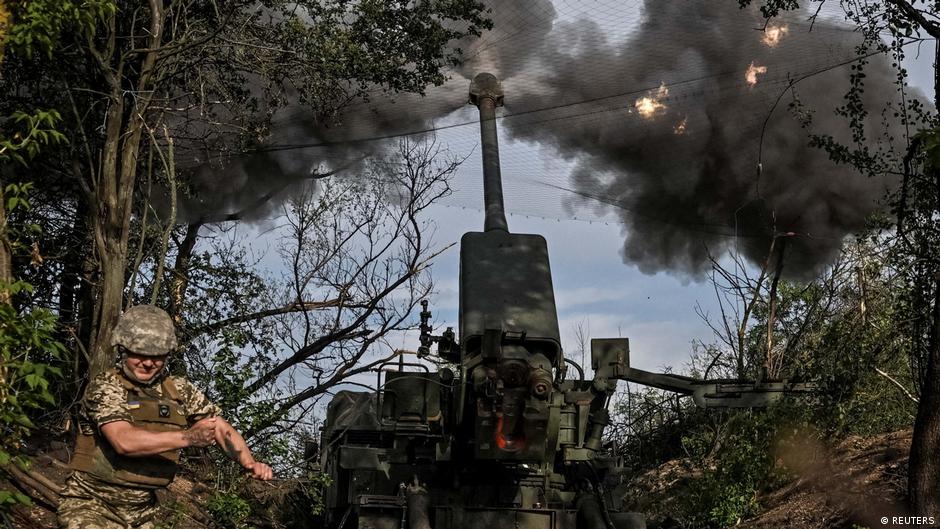
Beyond the domestic political calculus, the defense budget hike signals the UK’s strategic prioritization of security in the context of global conflicts and geopolitical shifts, notably the ongoing war in Ukraine and tensions surrounding Iran. It underscores London's intent to maintain a robust military posture amid heightened international insecurity, which has broader implications for economic policy and international relations.
From a macroeconomic perspective, such a significant increase in government defense spending carries multiple consequences. Short-term, it could stimulate sectors tied to defense manufacturing and technology, potentially boosting employment and innovation. However, questions remain regarding the budgetary trade-offs and the impact on public finances, especially as the UK grapples with inflationary pressures and post-pandemic economic recovery.
Moreover, this pivot in expenditure reflects a wider trend among Western economies to recalibrate fiscal priorities in response to growing geopolitical risks. The UK’s announcement may influence allied nations’ defense policies and spending commitments, potentially reshaping global economic linkages related to defense procurement and supply chains.
As Starmer prepares to formalize this policy shift, observers will watch closely how the UK balances its defense ambitions with economic stability, fiscal responsibility, and the complex demands of maintaining global influence in a turbulent era.