Russian Air Strikes Target Multiple Ukrainian Regions Amid Escalating Conflict
Russian forces conducted drone and missile attacks on key Ukrainian regions, raising concerns over regional stability and economic disruptions.
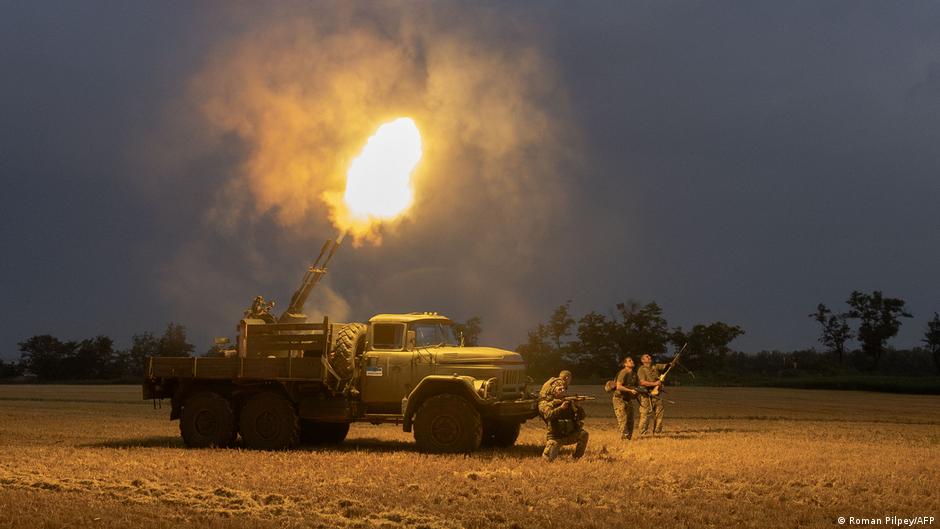
On the night of May 17, Russian military forces launched a series of drone and missile strikes across several Ukrainian regions, including Kharkiv, Zaporizhzhia, Dnipropetrovsk, and Odesa. The assaults also involved drone activity detected over the Poltava and Sumy regions, indicating a broadening of the conflict’s geographic scope.
Impact on Urban Centers and Infrastructure
In Kharkiv, drone strikes targeted multiple city districts—Saltivskyi, Kyivskyi, Osnovianskyi, and Kholodnogorskyi—causing damage to residential buildings and vehicles. While preliminary reports indicate no casualties, the strikes inflicted significant property damage, including broken windows in high-rise apartment blocks and harm to over ten automobiles.
"Drones struck multiple districts in Kharkiv, damaging residential buildings and vehicles, though no casualties have been reported so far," said the city's mayor.
In Zaporizhzhia, an attack on a gas station resulted in a total fire and left a 25-year-old woman injured. Subsequent reports mentioned the use of guided aerial bombs, but full details on the extent of damage remain forthcoming.
The city of Dnipro also suffered a strike that destroyed a private home and injured a 70-year-old woman. Authorities in Odesa reported an air raid alert, though no immediate damage was disclosed.
Broader Military and Economic Implications
The continued use of drones and missiles in these strikes signals an escalation in military tactics that can destabilize civilian infrastructure and disrupt regional economies. Drones spotted over Poltava and Sumy suggest a possible expansion of hostilities into previously less-affected regions.
From a macroeconomic perspective, the sustained attacks on Ukraine’s industrial and urban areas risk exacerbating the humanitarian crisis and impeding economic recovery efforts. Damage to critical infrastructure—such as fuel supply points and residential housing—could hinder mobility, supply chains, and labor market stability in Eastern Ukraine.
These developments come amid ongoing international efforts to balance support for Ukraine with broader geopolitical and economic considerations. The persistence of hostilities may prompt reassessments in energy markets, supply chain security, and regional investment strategies, particularly affecting European and global economic outlooks.
As the conflict endures, senior policymakers and economic leaders must consider both the immediate humanitarian consequences and the longer-term risks to regional economic stability and growth.