Russia Simplifies Citizenship Process for Residents of Unrecognized Transnistria Region
Putin's decree removes language and history exam requirements for Russian citizenship applicants from Transnistria, signaling deeper geopolitical and economic ties.
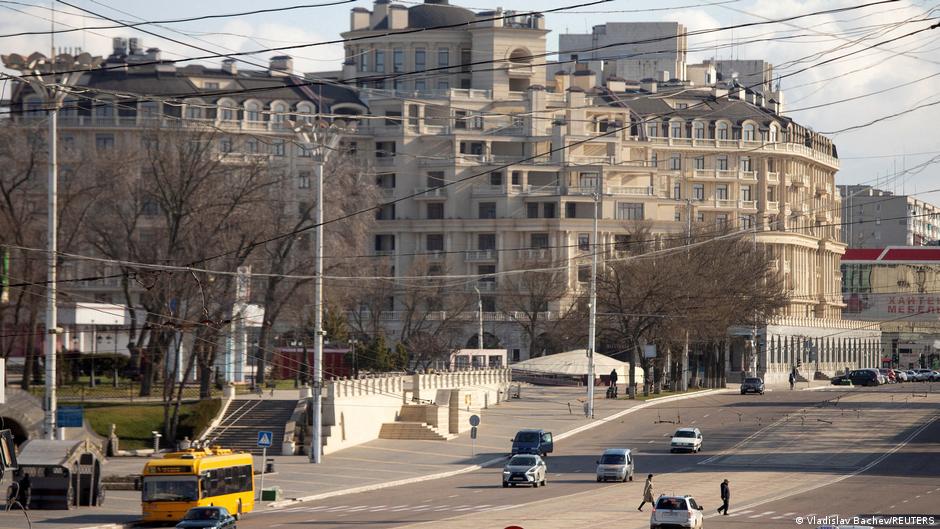
Russian President Vladimir Putin has signed a decree easing the process for residents of the unrecognized Pridnestrovian Moldavian Republic (Transnistria) to obtain Russian citizenship. The new rules waive previously mandatory requirements such as passing exams in the Russian language and Russian history.
Published on May 15, the decree allows all adult residents of Transnistria to apply for Russian citizenship without meeting additional criteria. Furthermore, Russian passports will be issued to orphaned children in the region upon requests made by their guardians.
Geopolitical and Economic Implications
Transnistria, located on the left bank of the Dniester River within Moldova's internationally recognized borders, declared independence in 1990 but remains unrecognized by any United Nations member state. The region hosts a contingent of Russian troops known as the Operational Group of Russian Forces.
"This move by Moscow further integrates Transnistria's population into the Russian political and economic sphere, reinforcing Moscow's influence in a region of strategic significance," analysts observe.
According to statements by Russian Security Council Secretary Sergey Shoigu in April, over 220,000 residents of Transnistria hold Russian citizenship, against a total population estimated at approximately 470,000. This decree is likely to increase that number substantially, deepening Russia's demographic and political footprint in the contested territory.
For senior policymakers and economic strategists, this development signifies a notable shift in Moscow's approach to frozen conflicts on its periphery. By facilitating citizenship acquisition, Russia strengthens its leverage over Transnistria, potentially affecting Moldova's economic stability, regional security frameworks, and broader European Union relations.
Long-term economic consequences may include increased Russian investment and financial flows tied to new citizens, alongside potential shifts in labor markets and cross-border trade dynamics. Additionally, this policy may set a precedent for Russia's handling of other separatist regions, influencing global geopolitical tensions and economic alliances.
Overall, the streamlined citizenship process reflects a strategic policy shift with significant macroeconomic and geopolitical ramifications for Eastern Europe and beyond.