US-China Dialogue on Jimmy Lai Highlights Broader Economic and Political Tensions
Trump’s discussion with Xi Jinping on Jimmy Lai’s imprisonment underscores rising geopolitical risks affecting global markets and policy frameworks.
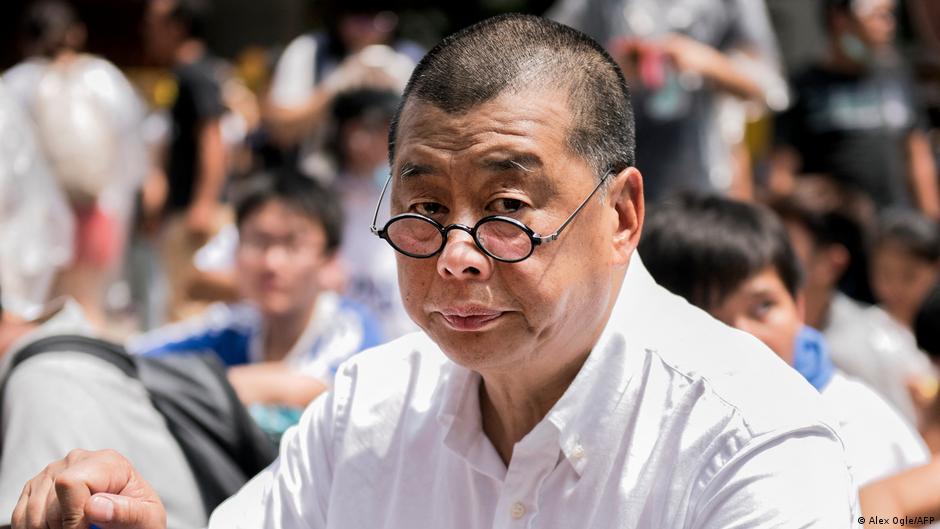
Former U.S. President Donald Trump recently revealed that during his discussions with Chinese President Xi Jinping, the issue of Hong Kong media magnate Jimmy Lai’s imprisonment was raised but yielded little optimism for his release. Lai, sentenced to 20 years for charges related to inciting riots and colluding with foreign forces, remains a highly sensitive figure in the ongoing geopolitical contest between the United States and China.
Implications of the Jimmy Lai Case on Global Economic Relations
The prolonged detention and harsh sentencing of Jimmy Lai, a 78-year-old pro-democracy activist and businessman, not only reflect China’s tightening grip on Hong Kong but also signify deepening fissures in Sino-American relations. Lai’s case has become emblematic of China’s assertive approach towards perceived threats to its political stability, which in turn influences international trade, investment climates, and diplomatic engagements.
Lai was sentenced in 2026 for his role in supporting the 2019 pro-democracy protests in Hong Kong. His imprisonment and the Chinese government’s refusal to consider clemency—despite U.S. diplomatic engagement—highlight Beijing’s prioritization of political control over conciliatory economic or diplomatic overtures.
"The reaction to the issue of Jimmy Lai was not the most positive," Trump said, signaling the limited diplomatic room for maneuver in addressing human rights concerns without triggering broader geopolitical backlash.
This stance has broad macroeconomic consequences. Increasingly strained U.S.-China relations contribute to market volatility, disrupt supply chains, and prompt multinational companies to reassess their exposure in Hong Kong and mainland China. Investors and policymakers are watching closely as legal and political developments intertwine with economic policy shifts, potentially reshaping patterns of capital flow and regulatory environments.
Moreover, Lai’s award from Deutsche Welle for his commitment to freedom of expression underscores the ideological divide between democratic and authoritarian governance models—divides that increasingly inform global economic alignment and trade agreements.
For senior decision-makers, the Lai case serves as a critical indicator of the limits of diplomatic engagement under the current geopolitical climate and suggests that economic policies will need to account for heightened political risks. Navigating these challenges requires a nuanced understanding of how human rights issues intersect with economic interests, necessitating calibrated policy responses that balance strategic competition with the preservation of global economic stability.