Kosovo’s Ruling Party Secures Parliamentary Win Amid Political Fragmentation
Albin Kurti’s Self-Determination party wins 43% in early elections, facing coalition challenges amid EU integration efforts
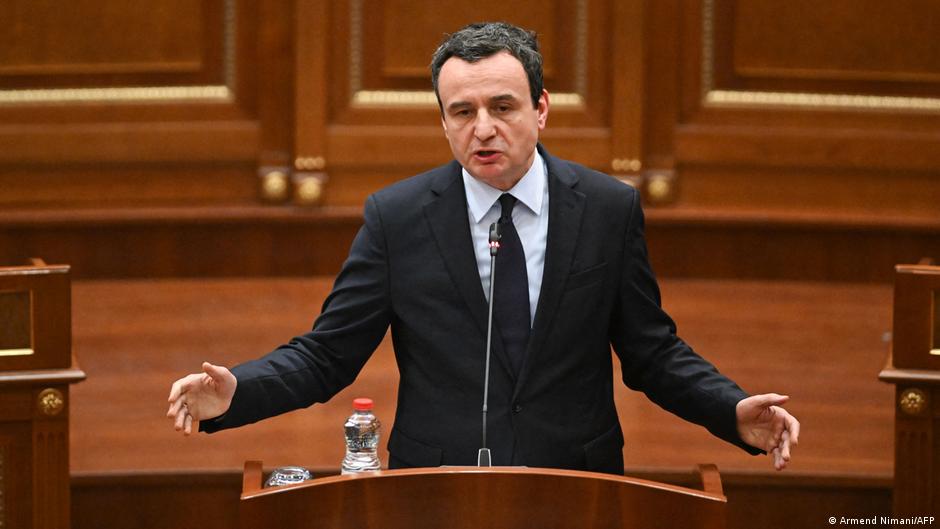
Kosovo’s ruling Self-Determination party, led by Prime Minister Albin Kurti, has won the early parliamentary elections with 43% of the vote, according to nearly complete official results released on June 7. Despite the electoral victory, the party requires coalition partners to form a stable government amid ongoing political fragmentation.
The party’s nearest competitor, the Democratic Party of Kosovo, garnered 21% of votes, followed by the Democratic League of Kosovo with 18%, and the Alliance for the Future of Kosovo at approximately 7%. Voter turnout was below 37%, reflecting persistent political disengagement in the Balkan state.
Implications of Kosovo’s Political Landscape for EU Aspirations
This election marks the third parliamentary vote in Kosovo within an 18-month span, reflecting ongoing institutional instability. The previous election in December 2025 saw Self-Determination win 51.1% of the vote, but the parliament was dissolved in April after failure to agree on a largely ceremonial presidential candidate, exacerbating the political crisis.
Prime Minister Kurti’s government pursues a staunchly pro-Western orientation, emphasizing Kosovo’s bid to join the European Union. The EU has consistently urged Pristina to establish resilient state institutions as a precondition for meaningful reforms required for accession talks.
"Sustainable governance structures are essential for Kosovo’s EU integration, underscoring the importance of coalition-building post-elections."
Kurti, aged 51, maintains a hardline stance on the Serbian minority concentrated in northern Kosovo, seeking to extend government authority over the region. This approach adds complexity to Kosovo’s internal cohesion efforts and impacts its diplomatic relations, particularly with Serbia.
Since declaring independence from Serbia in 2008, Kosovo’s sovereignty remains contested. Serbia, Russia, and five EU member states — Spain, Cyprus, Greece, Slovakia, and Romania — have not recognized Kosovo as a state, posing enduring challenges to Kosovo’s international legitimacy and integration trajectory.
This electoral outcome and the ensuing coalition negotiations will have significant implications not only for Kosovo’s domestic stability but also for the wider Balkan geopolitical balance and the EU’s enlargement strategy in Southeast Europe.