Serbia to Hold Early Parliamentary Elections in October 2023 Amid Political Turmoil
Serbian President Aleksandar Vučić announces snap elections more than a year ahead, reflecting mounting public pressure and ongoing protests.
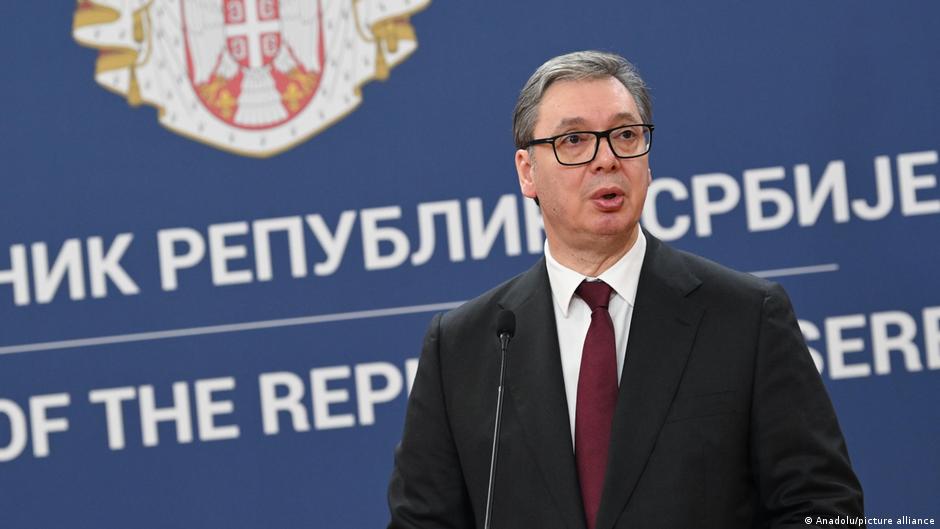
Serbia is set to hold early parliamentary elections in October 2023, over a year ahead of schedule, signaling a critical moment in the country’s political landscape. President Aleksandar Vučić confirmed the announcement during a broadcast on the national RTS channel on August 20. The vote is expected to take place either on October 18 or October 25, with the exact date to be finalized in the coming days.
Political Context and Domestic Unrest
This decision marks a significant shift against the backdrop of increasing political unrest and public dissatisfaction. Vučić, who has been in power for 12 years and whose second presidential term officially ends in mid-2027, previously declared his intention to step down early. According to Serbia’s constitution, the same individual cannot serve more than two presidential terms consecutively.
For over 18 months, Serbia has witnessed widespread protests driven by concerns over corruption and government accountability. The immediate catalyst for sustained demonstrations was a tragic accident at the Novi Sad railway station, where a collapsing canopy claimed 16 lives. This incident intensified scrutiny of the government’s management and ethics.
Student-led protests have mobilized tens to hundreds of thousands of citizens, demanding systemic reforms. Participants accuse Vučić and his administration of pervasive corruption, affiliations with organized crime, political intimidation, and suppression of free speech. Polling data indicates that approximately 80% of Serbians support the anti-corruption measures proposed by protesters, with about 64% endorsing the protests themselves.
"Around 80% of the population backs anti-corruption demands, reflecting a broad consensus for urgent political change," comments a political analyst following the developments.
Implications for Serbia and the Wider Region
The decision to advance elections is likely an attempt to quell domestic unrest and restore political stability. However, it also underscores the fragility of Serbia’s democratic institutions and governance structures. For senior decision-makers, this development highlights the importance of monitoring political shifts in the Western Balkans, given Serbia’s strategic position and its role in regional stability.
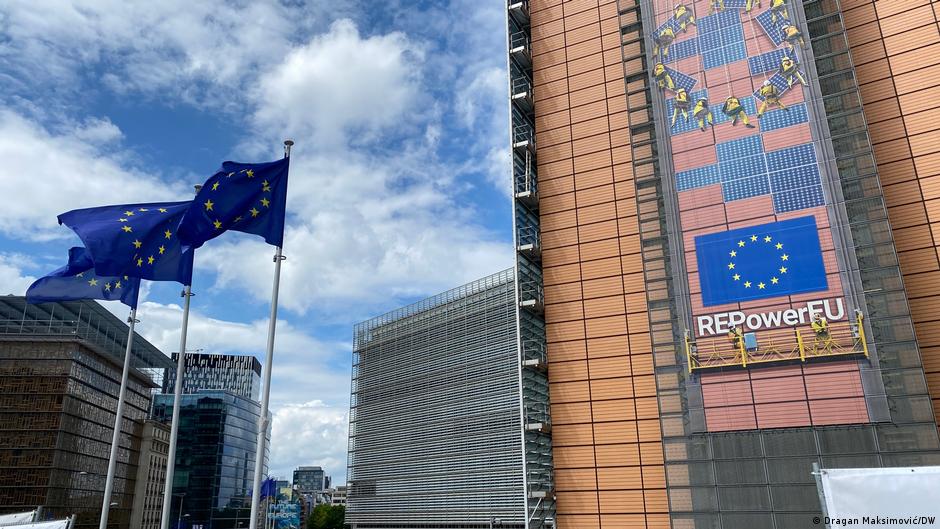
Internationally, early elections could affect Serbia’s economic policy direction and its relations with both the European Union and neighboring countries. Prolonged political uncertainty may hinder foreign investment and complicate efforts towards EU accession, which remains a key objective for the country.
In the longer term, how the new parliamentary mandate addresses governance challenges, corruption, and civil liberties will be pivotal. The outcome may set precedents for political accountability and reform across similar transitioning economies in the region.