Russian Forces Accused of Killing Over 345 Surrendered Ukrainian Soldiers Amid War Crimes Allegations
At least 345 Ukrainian soldiers who surrendered have reportedly been executed by Russian troops, raising serious concerns over violations of international law.
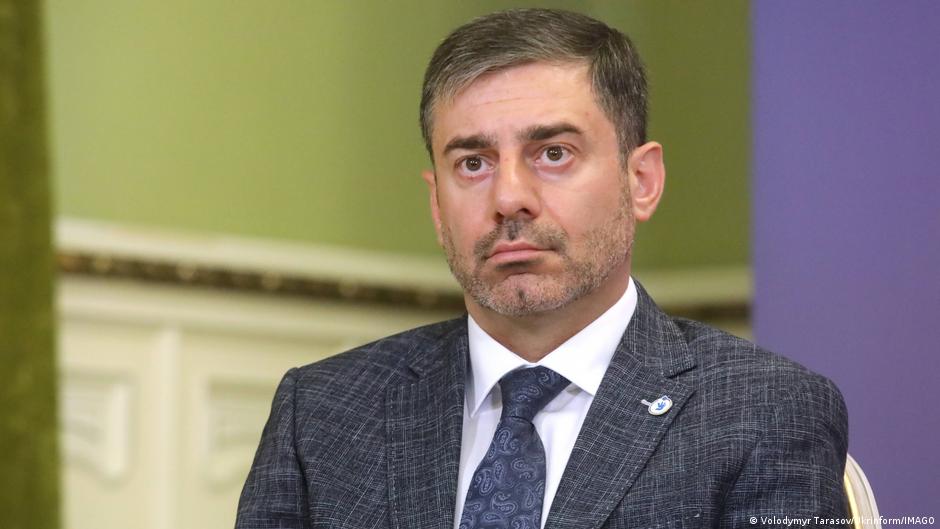
Since the full-scale invasion of Ukraine commenced in February 2022, Russian military personnel have reportedly executed at least 345 Ukrainian soldiers who had surrendered on the battlefield, according to statements from Ukraine’s Human Rights Commissioner.
Allegations of War Crimes and Torture Against Prisoners of War
On August 12, the Ukrainian Human Rights Commissioner, Dmitry Lubinets, revealed at a press conference that these executions were documented and supported by video evidence depicting the brutal killings. The victims had demonstrated clear intent to surrender by laying down arms, raising their hands, or lying on the ground, indicating they no longer engaged in hostilities. Despite these actions, Russian forces allegedly opened fire at point-blank range.
“The killing of surrendered soldiers constitutes a war crime under the Geneva Conventions and must be legally recognized as the execution of prisoners of war,” Lubinets stated emphatically.
Beyond the battlefield executions, Lubinets disclosed that Ukraine currently holds data concerning 375 deceased Ukrainians—both military personnel and civilians—whose deaths occurred after being officially registered as prisoners of war through the International Committee of the Red Cross (ICRC). These individuals were returned to Ukraine in coffins, reflecting the severe human cost borne by the country.
Furthermore, the report underscores the extensive use of torture and inhumane treatment toward Ukrainian prisoners in Russian custody. The documented abuses align with virtually all forms of torture outlined in the Istanbul Protocol, a UN-endorsed international standard for identifying and substantiating evidence of torture in legal proceedings.
Reported methods include physical beatings, electrocution, sexual violence, psychological pressure, intimidation using dogs, and simulated executions. The scale of abuse is staggering: investigators have recorded 695 distinct instances of torture and 860 cases of substandard detention conditions. Alarmingly, 95% of Ukrainian prisoners have reportedly endured systematic torture while held in Russian prisons.
This growing body of evidence raises urgent questions regarding compliance with international humanitarian law and the implications for conflict resolution and postwar reconciliation.
Global Economic and Policy Implications
These grave human rights violations could influence the trajectory of international responses to the conflict, including intensified sanctions regimes and shifts in diplomatic relations. The documented war crimes contribute to heightened geopolitical tensions, potentially reshaping alliances and trade dynamics that underlie the global economy.
The sustained conflict and associated humanitarian crises may precipitate long-term economic consequences, including disruptions in global supply chains, energy markets, and investor confidence, particularly across Europe and Eurasia. Policymakers must consider these factors in crafting strategic responses that balance humanitarian imperatives with economic stability.
As the international community assesses the scale and impact of these allegations, there is increasing pressure on global institutions and governments to enforce accountability and uphold the rule of law to mitigate further escalation of the conflict and its broader economic fallout.