Combined Russian Missile and Airstrike on Zaporizhzhia Kills Five, Damages Infrastructure
A coordinated strike by Russian forces on Zaporizhzhia resulted in civilian casualties and significant damage to industrial and residential sites.
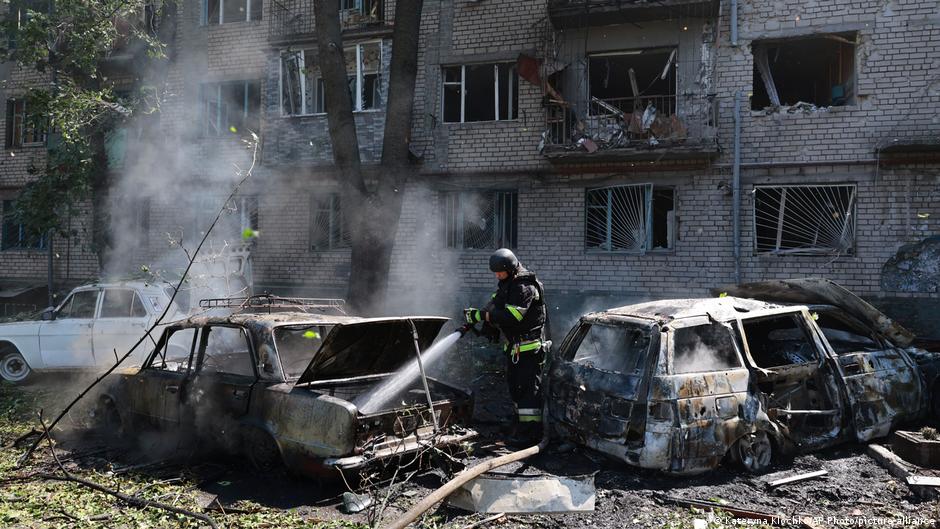
In a significant escalation of conflict, Russian armed forces launched a combined missile and airstrike attack on the Ukrainian city of Zaporizhzhia during the night of August 11. The strike resulted in five confirmed civilian deaths and left at least 20 others wounded, according to Ivan Fedorov, the head of the Zaporizhzhia regional military administration.
The attack targeted key industrial facilities and critical infrastructure within the city, causing extensive damage to homes, non-residential buildings, and a garage cooperative. The assault also led to widespread power outages and fires, further compounding the city’s crisis. Video footage shared by Fedorov depicted burning structures and vehicles, highlighting the scale of destruction.
Broader Implications and Regional Security Concerns
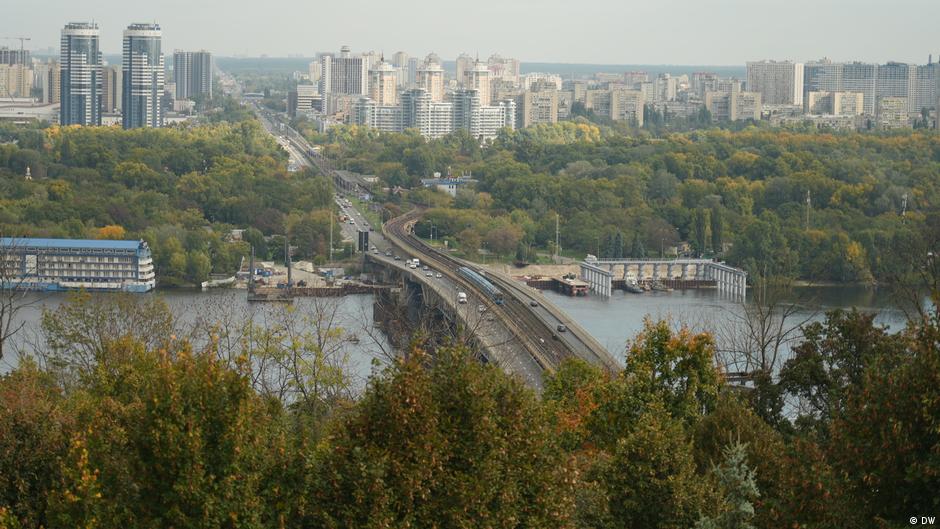
In Kyiv, the capital, multiple air raid warnings were issued overnight amid fears of potential ballistic missile use by Russian forces. By early morning, reports indicated at least one casualty in Kyiv, with medical teams dispatched to affected districts. Meanwhile, in the Poltava region, debris from Russian unmanned aerial vehicles (UAVs) was found on a residential high-rise, though no injuries were reported.
The intensity and coordination of the attacks underscore a troubling shift in Russian military tactics, emphasizing the use of precision-guided munitions and UAVs to inflict damage on both civilian and strategic targets. These strikes not only disrupt local economies but also exacerbate humanitarian crises by targeting essential infrastructure.
"The combination of missile and air attacks on Zaporizhzhia signals a strategic shift that could have far-reaching economic and security consequences for the region," says an expert in Eastern European security studies.
From a macroeconomic perspective, the damage to industrial zones in Zaporizhzhia threatens critical supply chains and production capabilities, potentially impacting Ukraine’s economic resilience and export capacity. The ongoing conflict and targeted strikes on urban centers risk prolonged regional instability, deterring investment and complicating reconstruction efforts.
Policy responses at the international level may need to adapt to the evolving nature of the conflict, including increased sanctions, support for Ukraine’s defense capabilities, and diplomatic efforts to mitigate further escalation. The humanitarian impact also necessitates coordinated aid and infrastructure rehabilitation plans to support affected populations and stabilize the region.